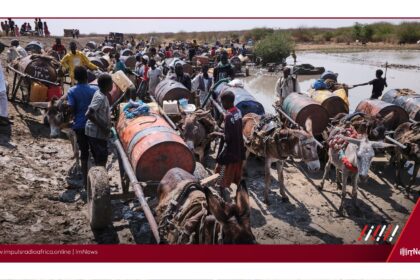


ABUJA, Nigeria — The United Nations World Food Programme (WFP) has issued a dire warning, revealing that over 17 million people across nine conflict-affected states in northern Nigeria are addressing crisis, emergency, or catastrophic levels of food insecurity as of July 2026. This situation, which has not been witnessed in nearly a decade, underscores the escalating severity of the hunger crisis in the region. Northern Nigeria has been addressing the aftermath of a decade-long conflict, which has led to widespread displacement, economic hardship, and a deterioration in food security.
Despite the country’s economic growth, a significant portion of the population remains in poverty and lacks access to basic services, exacerbating the current crisis.
The WFP has identified escalating attacks and the suspension of food aid due to funding shortfalls as key drivers of the hunger crisis. Areas where food aid was suspended due to funding shortfalls are hardest hit, with the situation in these regions deteriorating rapidly.
However, with only a fraction of the required funds secured, the situation on the ground remains dire. Action Against Hunger estimates that 33 million people in Nigeria will face acute food insecurity during the lean season from June to September 2026, a period that typically sees a sharp increase in food insecurity across the country.
The International Organization for Migration’s (IOM) Nigeria Crisis Response Plan emphasizes the need for durable solutions, protection, and resilience building for the affected population.
The plan also highlights the importance of integrating displaced populations into local communities and providing them with the necessary support systems for long — term recovery. Despite the urgency of the situation, there are unanswered questions about the specific measures being taken by the Nigerian government and international aid organizations to address the funding shortfalls that have led to the suspension of food aid.
Additionally, the integration of displaced populations into local communities and the establishment of long — term support systems remain critical challenges.
As the situation worsens, there is a risk of spillover effects across West Africa, potentially exacerbating an already fragile region.
As the world watches the unfolding tragedy in northern Nigeria, it is clear that immediate action is needed to avert a humanitarian catastrophe.
The international community must come together to provide the necessary funding and support to address the crisis and help the affected population build a sustainable future.
*Additional reporting by ImNews | Sources consulted: 5*
—
This original article was produced by the ImNews editorial team
Source: reliefweb
Source: World Food Programme