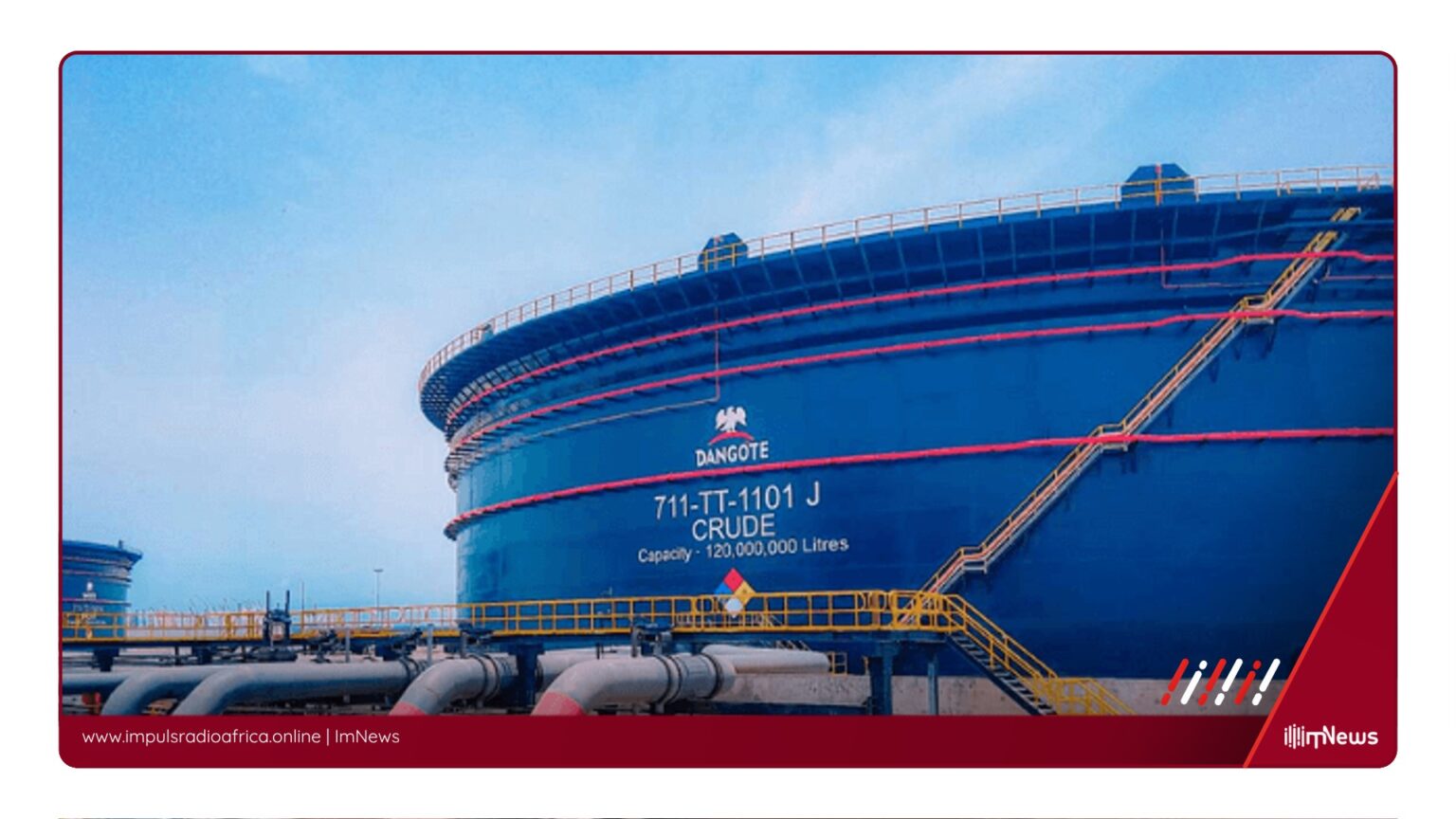
Lagos, Nigeria — The Dangote Refinery, Africa’s largest, has become a pivotal defense mechanism for Nigeria against the escalating global fuel prices. Despite the rise in international gasoline prices, freight rates, and tighter fuel supplies in West Africa, Nigerian petrol prices have remained within a commercially sustainable range, thanks in part to the strategic actions of the Dangote Refinery.
The refinery, which recently transitioned its domestic petroleum product sales from naira to US dollars, cited the need to align its sales with crude oil purchases, many of which are now made in foreign currency due to challenges with domestic crude supply. Despite initial concerns that this move could lead to higher local fuel prices, S&P Global Commodity Insights has indicated that the refinery has continued to shield the Nigerian market from external pressures. Market participants noted that petrol prices in Nigeria are now effectively capped by the refinery’s prices, limiting importers’ability to pass on rising international costs to consumers.
This shift in Nigeria’s downstream petroleum market marks a significant departure from the decades-long pattern of imported fuel determining domestic pricing.
The Dangote Refinery’s increased production has reduced the region’s dependence on imported refined petroleum products, and as such, it is influencing pricing dynamics in a market that was previously driven by international suppliers. This shift has been particularly impactful as global fuel markets remain under pressure, with the cost of transporting clean petroleum products from Northwest Europe to West Africa increasing.
The refinery’s strategic importance is underscored by its role in not only reducing import dependence but also in shaping pricing dynamics.
However, challenges such as receiving fewer domestic crude oil allocations than needed have prompted the refinery to source additional crude internationally, leading to its decision to price domestic fuel sales in US dollars. Despite these challenges, the Dangote Refinery remains a key player in Nigeria’s and Africa’s energy landscape, providing a beacon of hope for the continent’s potential in refining and energy independence.
*Additional reporting by ImNews | Sources consulted: 5*
—
This original article was produced by the ImNews editorial team
Source: Africa.businessinsider
Source: Ayodeji Adegboyega