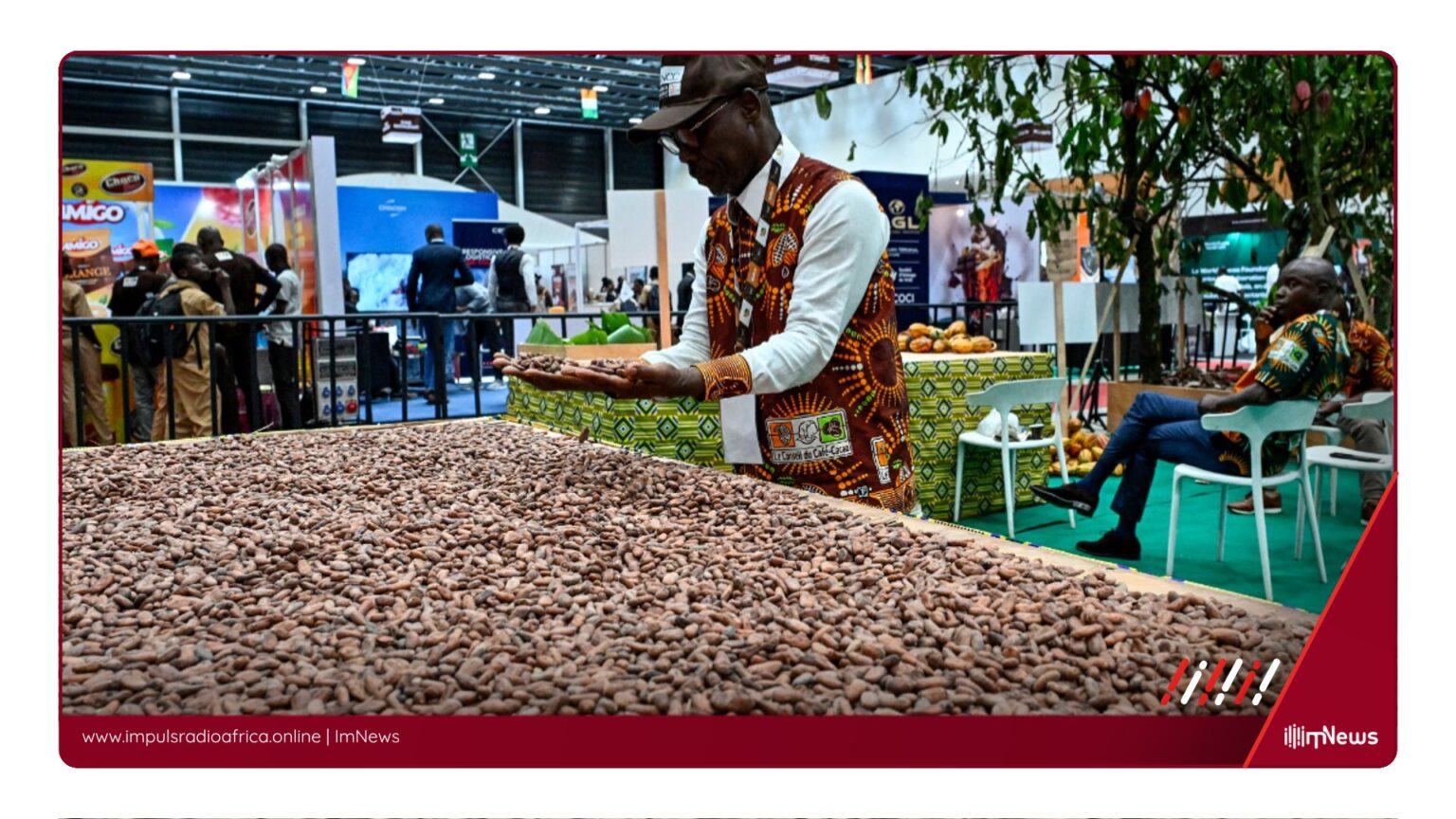
Nigeria Implements Raw Cocoa Bean Export Ban, Aims for Local Processing Revolution ABUJA, NIGERIA — July 16, 2026 Nigeria has imposed a ban on the export of raw cocoa beans to the West, marking a significant shift in the nation’s approach to the cocoa industry.
The decision, effective from July 15, 2026, is part of an initiative to enhance economic value and create local jobs, transforming the cocoa supply chain from mere agriculture to comprehensive processing, branding, and manufacturing within Nigeria. Nigeria, along with Ghana, Côte d’Ivoire, and Cameroon, accounts for around 75% of global cocoa production. These African nations have collectively formed an alliance to regulate cocoa prices and prioritize local processing, a move that seeks to bolster the continent’s economic position within the multi-billion-dollar chocolate market.
President Bola Tinubu of Nigeria has emphasized the nation’s dedication to local processing and value addition. He announced, “We will no longer export raw beans while importing finished value. We will grind our beans, press our butter, and make our chocolate at home, branding and selling it on our own terms. “.
This policy shift comes as a response to the historical trend of African farmers and exporters earning just 15% of the total cocoa value, a discrepancy the new export ban is intended to rectify. To support the shift to local processing, Nigeria is investing in domestic factories, with a new 70,000-ton processing plant under construction in Sagamu.
The state — backed Bank of Industry has provided substantial funding, having already distributed over N164 billion to agro-processing businesses and secured a credit facility of 60 million euros from the European Investment Bank.
The ban on raw cocoa bean exports affects several decades of trade dynamics, with nations like Germany, the Netherlands, and Belgium accustomed to importing Nigerian raw beans for their domestic chocolate manufacturing industries.
The new policy will require these countries to adapt to importing processed cocoa products, potentially reshaping the global chocolate industry.
The regional collaboration, an agreement among the four African nations, is designed to grant African farmers and producers greater bargaining power when negotiating with international buyers. This coordinated effort aims to retain more wealth on the continent by managing cocoa prices and prioritizing the processing of cocoa beans locally.
As the African nations move forward with this ambitious plan, experts and industry stakeholders are closely monitoring its impact on the global cocoa market and the chocolate industry.
The outcome of this bold step by Nigeria and its partners will undoubtedly have significant implications for the future of cocoa and chocolate production worldwide.
*Additional reporting by ImNews | Sources consulted: 5*
—
This original article was produced by the ImNews editorial team
Source: Africa.businessinsider
Source: Awogbemila Temitope