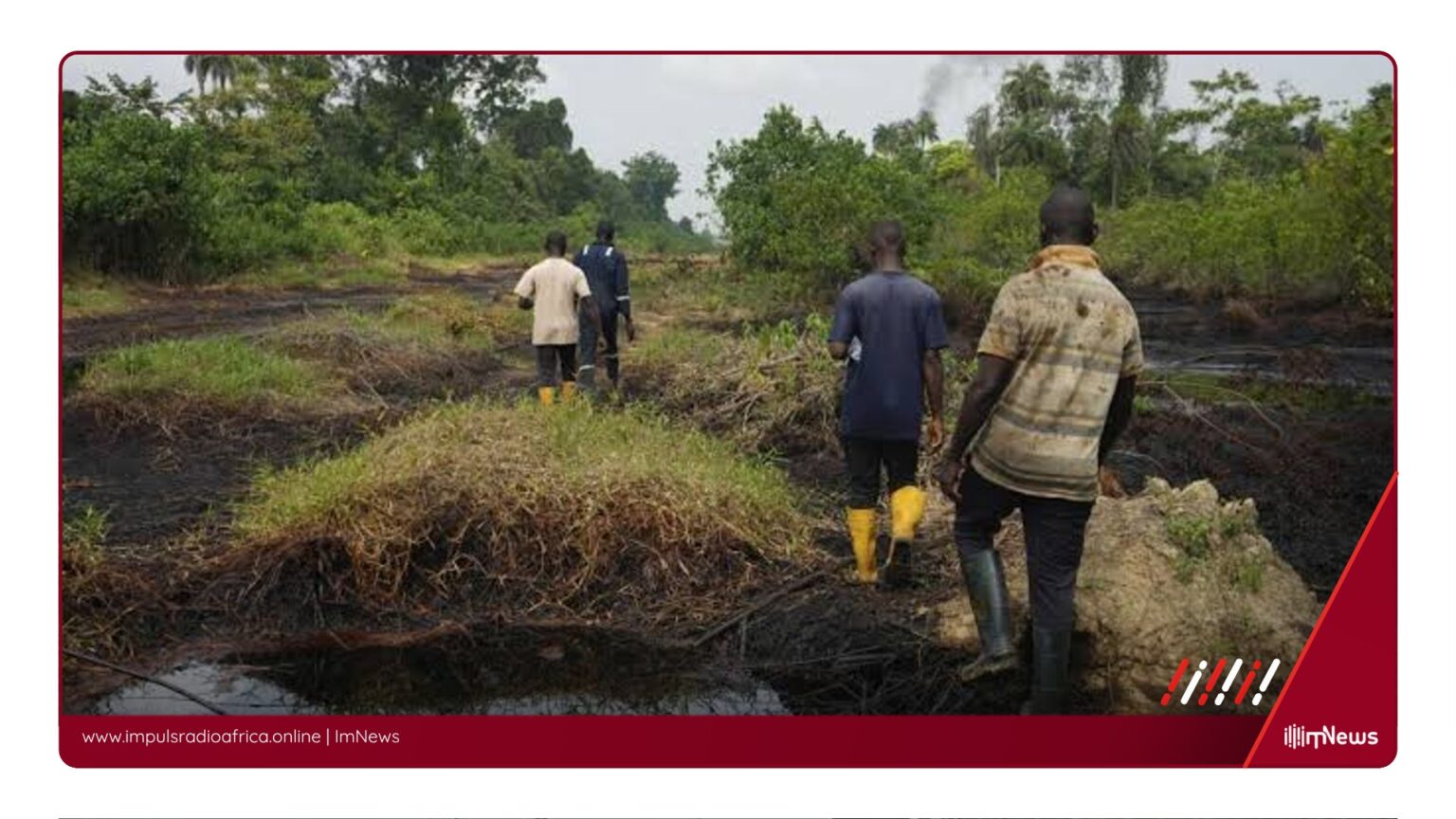
ABUJA, Nigeria — In a strategic move to diversify the Nigerian economy and bolster food security, the government has launched the Niger Delta Agricultural Investment Fund, a substantial $500 million initiative. This fund is poised to transform the oil-rich Niger Delta region by focusing on agriculture.
The Niger Delta Agricultural Investment Fund, unveiled by Vice President Kashim Shettima at the Niger Delta Agricultural Development and Investment Summit in Abuja, is a cornerstone of Nigeria’s strategy to reduce its reliance on oil and address the region’s environmental and social challenges, including poverty and food insecurity.
The fund, which represents a significant shift in the country’s economic priorities, is designed to support agriculture across the Niger Delta, encompassing sectors such as aquaculture, palm oil, livestock, fisheries, marine resources, and crop production. Its financing will be sourced from multilateral development banks, including the World Bank, the African Development Bank, and the Islamic Development Bank, as well as private investors. Operating under a commercial, returns-driven model, the fund aims to attract private investment and ensure financial sustainability.
This approach is intended to create a significant impact on the ground, fostering job creation and expanding agricultural exports. While the launch of the Niger Delta Agricultural Investment Fund is a promising step towards a more diversified and sustainable Nigerian economy, there remain unanswered questions regarding its implementation.
The specifics of the projects or initiatives to be funded, the mechanisms to ensure local community benefits, and the methods for monitoring and evaluating the fund’s effectiveness are crucial for its success.
As Nigeria embarks on this new economic venture, the success of the Niger Delta Agricultural Investment Fund will be closely watched not only within the country but across Africa. Its ability to deliver on its promises could set a precedent for similar initiatives and significantly contribute to the continent’s economic development and food security.
*Additional reporting by ImNews | Sources consulted: 5*
—
This original article was produced by the ImNews editorial team
Source: Africa.businessinsider
Source: Adekunle Agbetiloye