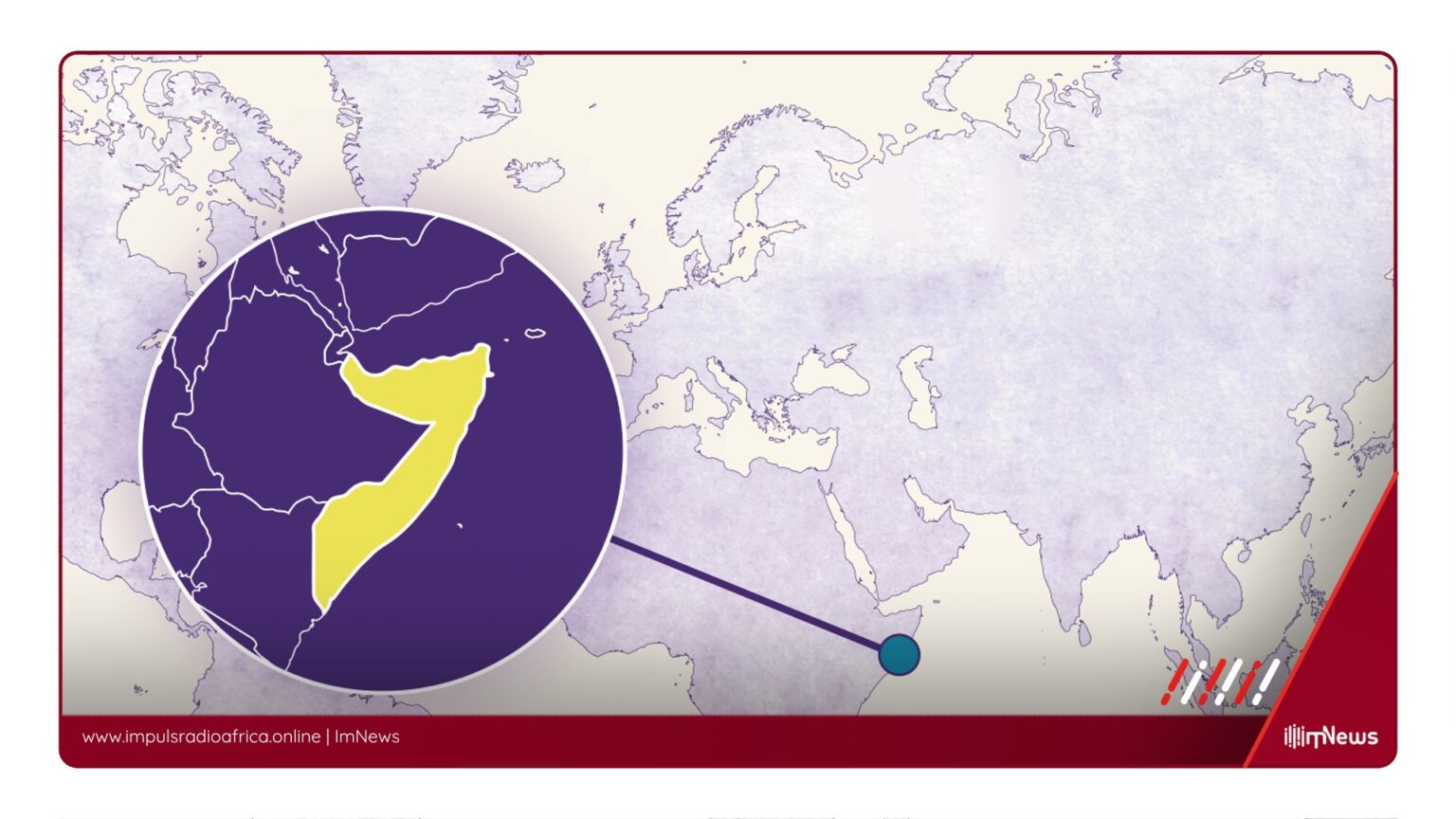
Somalia’s Health System Under Siege: 2025 Attacks on Healthcare Exceed Precedents BODY: MOGADISHU, SOMALIA – In the throes of intensifying conflict, Somalia’s health system faced an unprecedented crisis in 2025, as violence against healthcare facilities and personnel surged.
According to the Safeguarding Health in Conflict Coalition (SHCC), Somalia recorded 18 incidents of healthcare violence, a stark increase from 9 in 2024 and 21 in 2023. Health facilities bore the brunt of these attacks, experiencing 12 direct strikes in 2025. Al-Shabaab fighters were primarily responsible, utilizing firearms and, in one instance, throwing a hand grenade at a pharmacy in Lower Shabelle.
ISIL — Somalia also contributed to the violence, planting improvised explosive devices that damaged ambulances in Puntland’s Bari region. These attacks not only damaged physical infrastructure but also took a human toll on healthcare workers.
The situation was exacerbated by the country’s fragile health system, which has long been strained by conflict, climate shocks, and widespread displacement. Insecurity, displacement, and weak infrastructure continued to impede the provision of essential health care services, including maternal and reproductive health care.
The true scale of the attacks is likely higher, with underreporting and service closures not fully reflected in the data. Somalia’s maternal mortality rates are alarmingly high, with many births occurring without trained attendants due to gaps in antenatal care.
The surge in violence underscores the need for increased international attention and action to ensure the safety of healthcare workers and the protection of healthcare facilities.
The international community must take a stronger stance to protect healthcare in conflict situations, addressing both the immediate needs of the affected populations and the root causes of conflict and insecurity.
*Additional reporting by ImNews | Sources consulted: 5*
—
This original article was produced by the ImNews editorial team
Source: reliefweb
Source: Insecurity Insight