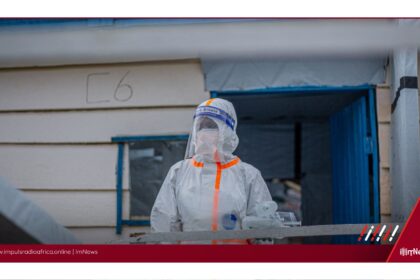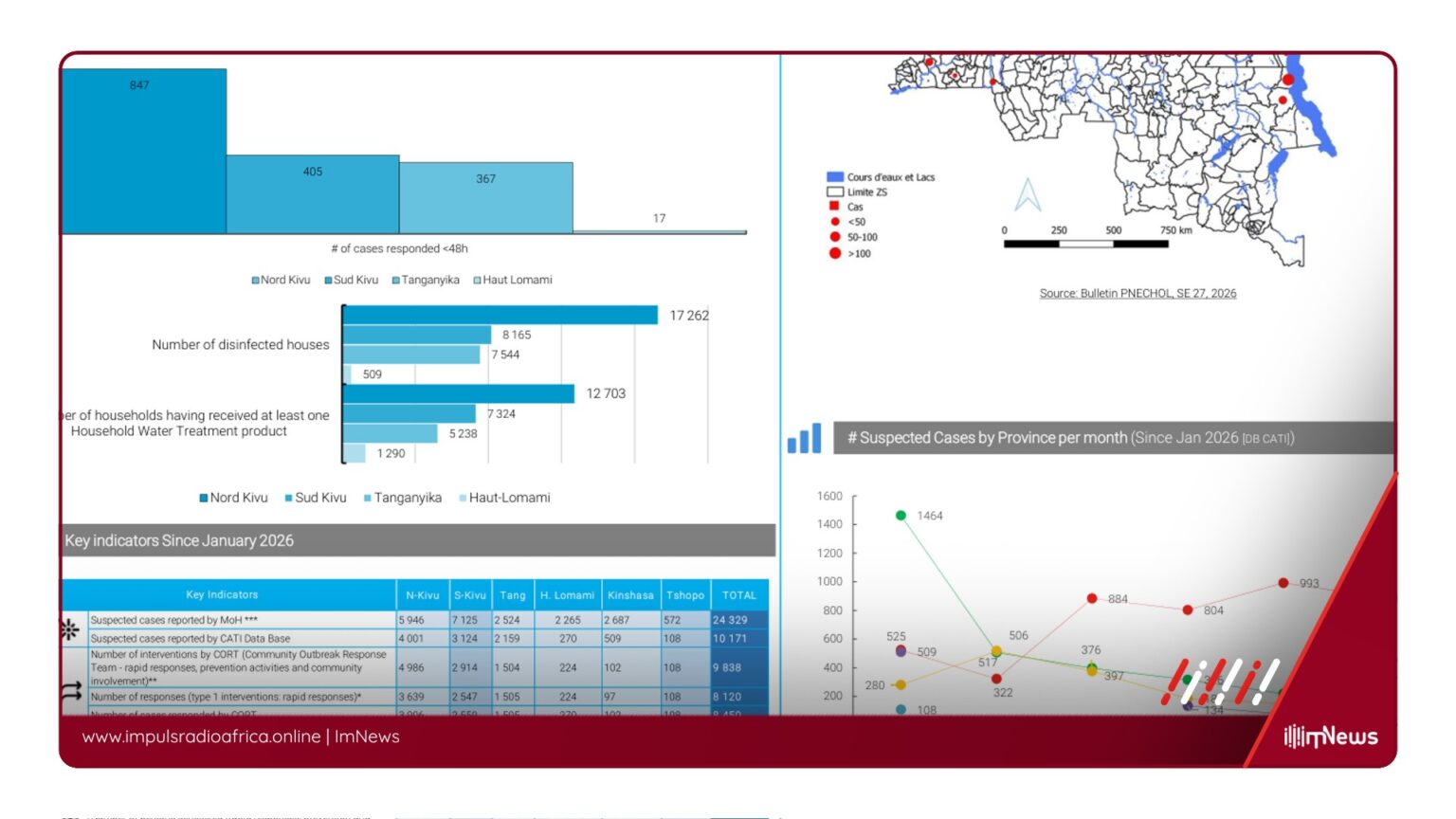
Kinshasa, DRC — UNICEF’s Cholera Response Efforts in DRC’s Worst Outbreak in 25 Years The Democratic Republic of the Congo (DRC) is addressing the worst cholera outbreak in 25 years, with the UNICEF-led Case Area Targeted Interventions (CATI) program at the forefront of the response efforts.
As of December 2025, the country reported 64,427 total cases and 1,888 deaths, including 14,818 cases and 340 deaths among children.
The DRC’s struggle with cholera is compounded by inadequate sanitation, overcrowding, and limited healthcare resources, which exacerbate the spread of the disease.
The current outbreak has been further complicated by severe flooding in eastern provinces and high population mobility along the Congo River, as well as concurrent humanitarian crises and other outbreaks, such as mpox and measles, which strain national health capacities. UNICEF’s CATI program has been instrumental in sensitizing populations and preventing the further spread of the disease.
The program’s targeted approach involves early detection and rapid, localized responses in high-risk areas around case-households.
This proactive strategy aims to reduce transmission sufficiently to extinguish outbreaks or significantly reduce their spread. Despite the CATI program’s efforts, challenges remain.
As of March 11, 2026, there were 196 suspected cholera cases reported in Mossaka and Mbamou Island Districts, highlighting the ongoing threat and the need for continued vigilance and intervention.
The effectiveness of the CATI program has been recognized by UNICEF, which reported that the program has made important contributions to the protection of populations from the disease.
However, there may be contrasting viewpoints among stakeholders about the overall success of the response and the effectiveness of interventions.
The WHO has also been actively involved in the response, deploying rapid response teams to support local health authorities in affected areas.
The organization has emphasized the need for early and adequate treatment to reduce the mortality rate, which stood at 2% as of June 2025.
The ongoing cholera outbreak in the DRC underscores the critical importance of robust public health systems and targeted interventions to combat such diseases.
As the country faces multiple health challenges, the success of programs like UNICEF’s CATI will be crucial in preventing further loss of life and protecting vulnerable populations.
As the DRC continues to battle the worst cholera outbreak in a quarter of a century, the focus remains on effective disease control, community sensitization, and the strengthening of healthcare infrastructure to prevent future outbreaks.
The ongoing efforts of UNICEF and its partners are vital in this fight, and the world watches with hope for a swift resolution to this public health crisis.
*Additional reporting by ImNews | Sources consulted: 5*
—
This original article was produced by the ImNews editorial team
Source: reliefweb
Source: UN Children's Fund