Kinshasa, DRC — June 2026 saw a concerning rise in displacement and return in the eastern Democratic Republic of the Congo (DRC), according to recent data.
The situation has been further compounded by the Security Council’s decision to hold a briefing and consultations on the country’s situation, highlighting the ongoing displacement crisis and the broader challenges faced by the DRC.
In June, 46,475 new displaced households and 7,931 returning households were documented in the eastern DRC.
The most significant movements were recorded in the provinces of Sud — Kivu and Maniema, with the Nord-Kivu province witnessing a 62% increase in new displacements, primarily in the areas of Masisi and Walikale.
In Ituri, 4,450 new displacements were recorded alongside the return of 6,916 households to Djugu. This displacement crisis is part of a larger pattern in the DRC, where various security challenges, including the presence of armed groups and political instability, have contributed to the displacement of many people.
The situation has been further exacerbated by the 1533 DRC sanctions regime and the Group of Experts assisting the 1533 DRC Sanctions Committee, both of which are set to be renewed by the Security Council in June 2026. Mercy Corps’report, which documents the number of displaced and returning households, highlights the ongoing displacement crisis in the DRC.
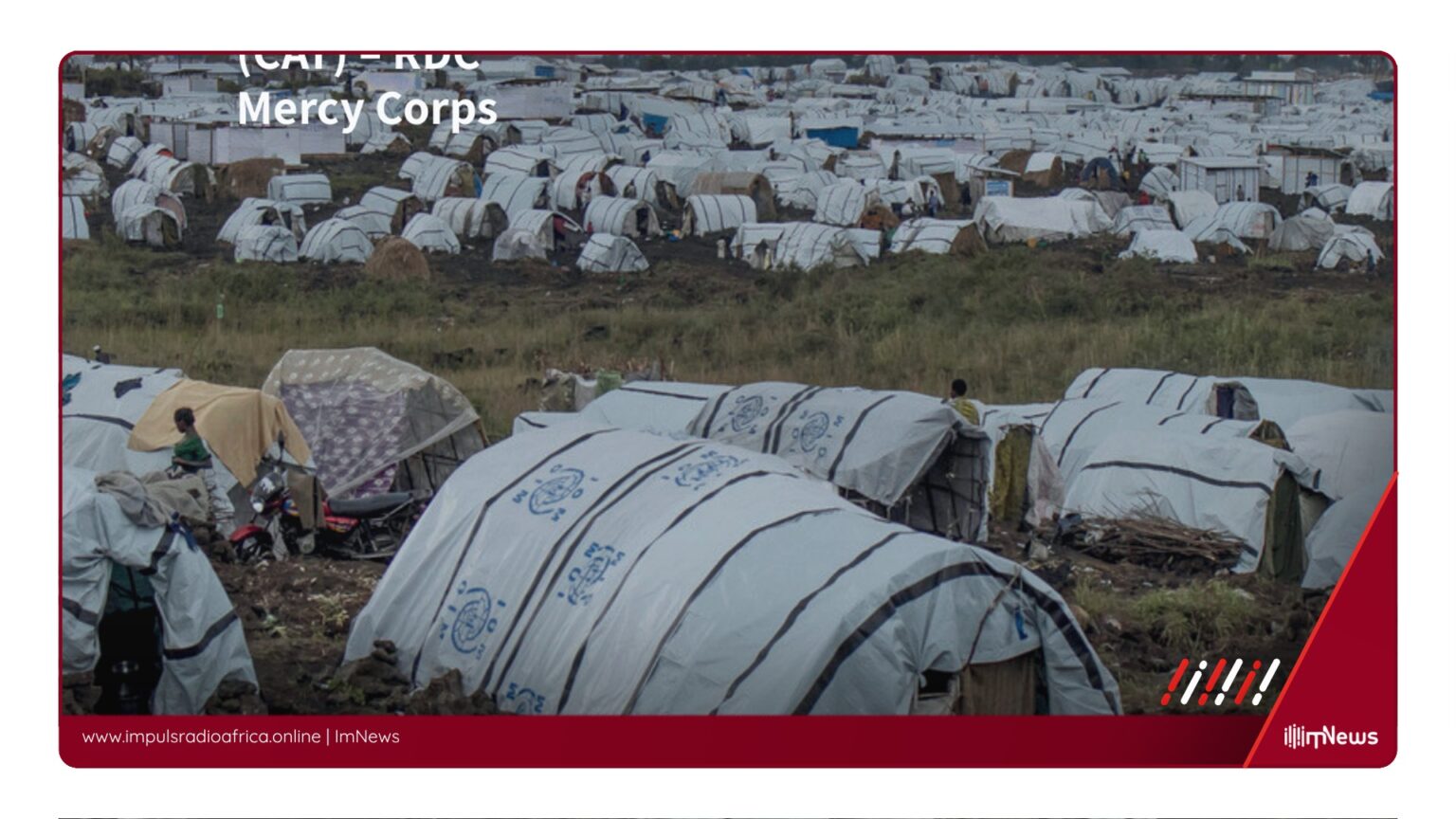
The report also notes that the majority of displaced individuals are seeking shelter in makeshift camps and with host communities, which places additional strain on resources and services.
The Security Council’s briefing and consultations will focus on the broader situation in the DRC, including the renewal of sanctions and the role of MONUSCO. Special Representative and Head of MONUSCO James Swan is expected to brief the Council on the current situation in the country, providing insights into the challenges faced by the DRC and the international community’s response.
The displacement crisis in the DRC has significant implications for the region and the global community.
As one of the world’s most complex displacement crises, the situation in the DRC has drawn attention from various international organizations, including the United Nations and the African Union.
The DRC’s displacement crisis underscores the need for a comprehensive approach to address the root causes of conflict and displacement. This includes efforts to strengthen governance, promote peace, and provide sustainable solutions for displaced individuals.
The international community must remain engaged in supporting the DRC as it seeks to address these challenges and work towards stability and peace.
As the DRC grapples with its displacement crisis, the importance of coordinated efforts by the government, international organizations, and local communities cannot be overstated.
Only through a collaborative approach can the DRC move towards a more stable and secure future.
The situation in the DRC remains fluid, and the international community’s response will be crucial in addressing the displacement crisis and promoting peace and stability in the region.
As the DRC moves forward, it is essential to continue monitoring the situation and supporting efforts to alleviate the suffering of displaced individuals.
*Additional reporting by ImNews | Sources consulted: 5*
—
This original article was produced by the ImNews editorial team
Source: reliefweb
Source: Mercy Corps