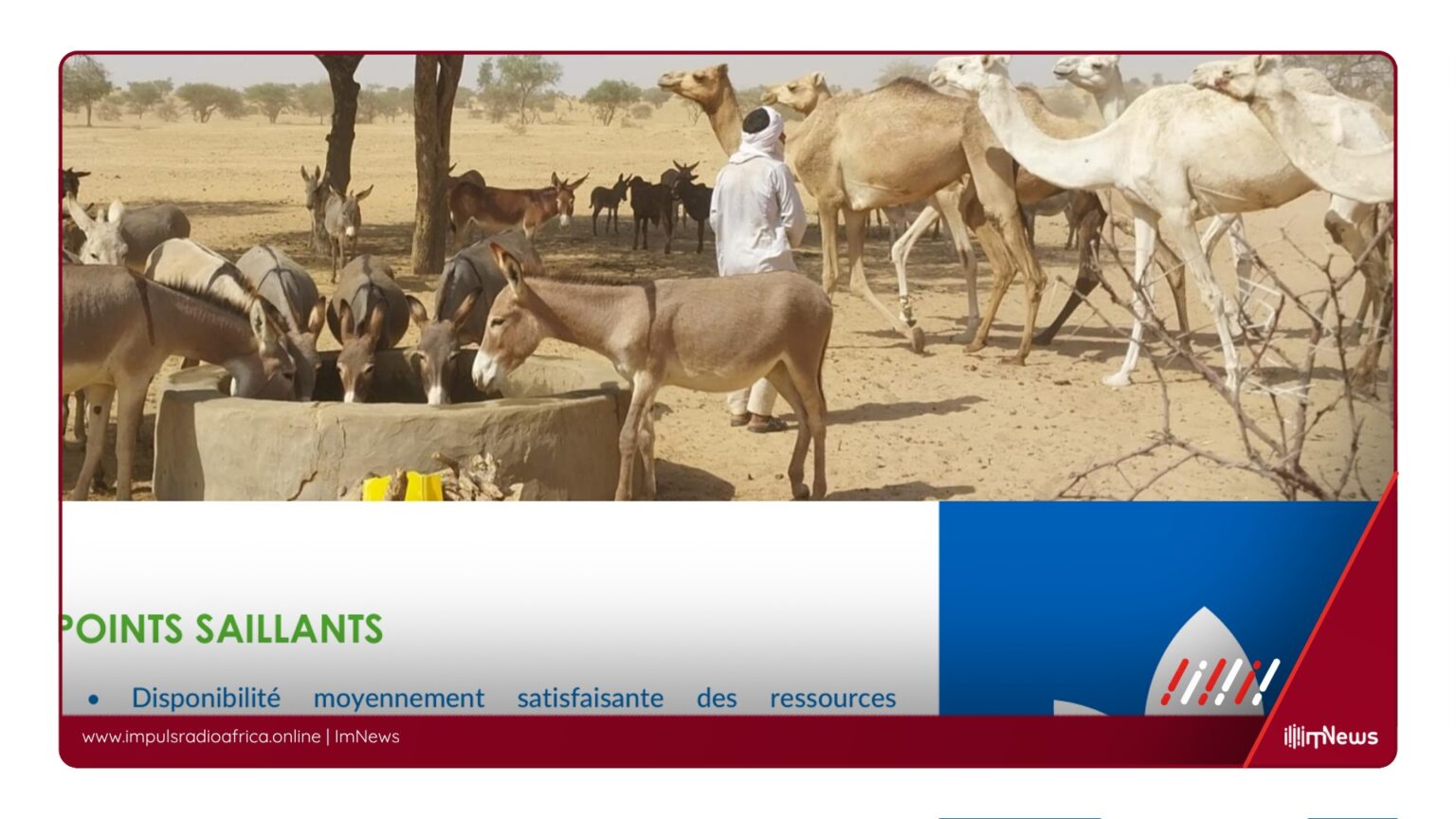
Pastoral Resources in Niger Face Challenges Amidst Climate Change and Economic Shifts DATELINE: Niamey, Niger – July 17, 2026 LEAD The availability of pastoral resources in Niger’s agropastoral zones has been moderately satisfactory during April and May 2026, according to the latest Bulletin de surveillance pastorale sur le Niger.
However, the situation is not without its challenges, with reports indicating a deteriorating herd body condition and rising prices for animals, particularly sheep.
The bulletin, published by Action contre la Faim France, highlights the complex interplay between climate change and the country’s agropastoral economy.
Niger, a landlocked country in West Africa, faces significant challenges due to its reliance on both farming and livestock rearing.
The bulletin notes that while pastoral resources are available, they are not in abundance, and the condition of the herd is deteriorating. This is particularly concerning for pastoralists who depend on the health and productivity of their livestock for their livelihoods.
The situation is further complicated by rising prices for animals, especially sheep, which may be a concern for pastoralists.
The bulletin also points out that average cereal prices in Niger have shown relative stability during the same period, which is a positive sign for the country’s agricultural sector.
Additionally, the terms of the male goat — cereal exchange were found to be generally favorable to farmers, which could indicate a favorable economic environment for agricultural producers.
In terms of security, there has been a slight improvement in the situation, with a decrease in cattle thefts and security incidents. This is a welcome development for the region, which has faced significant security challenges in the past.
The World Bank has reported on Niger’s efforts to combat climate change, noting that temperatures are rising at a faster rate than the global average.
The country has implemented various measures to improve its resilience to climate change, including providing farmers with drought — resistant seeds, livestock feed, and fertilizers. These efforts are crucial for the country’s agricultural sector and its ability to provide food security for its population.
The Sahel Adaptive Social Protection Program, also supported by the World Bank, aims to improve the capacity of Niger’s adaptive safety nets system to respond to shocks and provide access to safety nets for poor and vulnerable people.
The program is designed to help the country cope with the challenges posed by climate change and economic instability.
The FAO has reported on Niger’s emergency and resilience efforts, noting the country’s food insecurity and the need for agricultural support to produce food.
The situation is further complicated by persistent insecurity, chronic poverty, and natural hazards, including seasonal floods and recurrent droughts.
The Niger country strategic plan (2020-2026) outlines the country’s priorities for addressing these challenges.
The plan focuses on supporting government emergency response while implementing integrated resilience activities to protect livelihoods and foster long — term recovery. KICKER: As Niger continues to grapple with the challenges of climate change, economic shifts, and security concerns, the country’s ability to adapt and mitigate these challenges will be crucial for its future development.
The latest bulletin from Action contre la Faim France provides a snapshot of the current situation, but it is clear that further research and analysis are needed to fully understand the complexities facing Niger’s agropastoral economy.
*Additional reporting by ImNews | Sources consulted: 5*
—
This original article was produced by the ImNews editorial team
Source: reliefweb
Source: Action contre la Faim France