Mali’s Timbuktu and Taoudénni Regions Face Agricultural and Nutritional Challenges Amid Climate Variability CITY, COUNTRY — Bamako, Mali — The regions of Tombouctou and Taoudénni in Mali are facing a complex mix of agricultural and nutritional challenges, according to the latest bulletin from Action contre la Faim France and other sources.
The situation is compounded by seasonal variations and climate change, which are impacting water levels, agricultural activities, and livestock health.
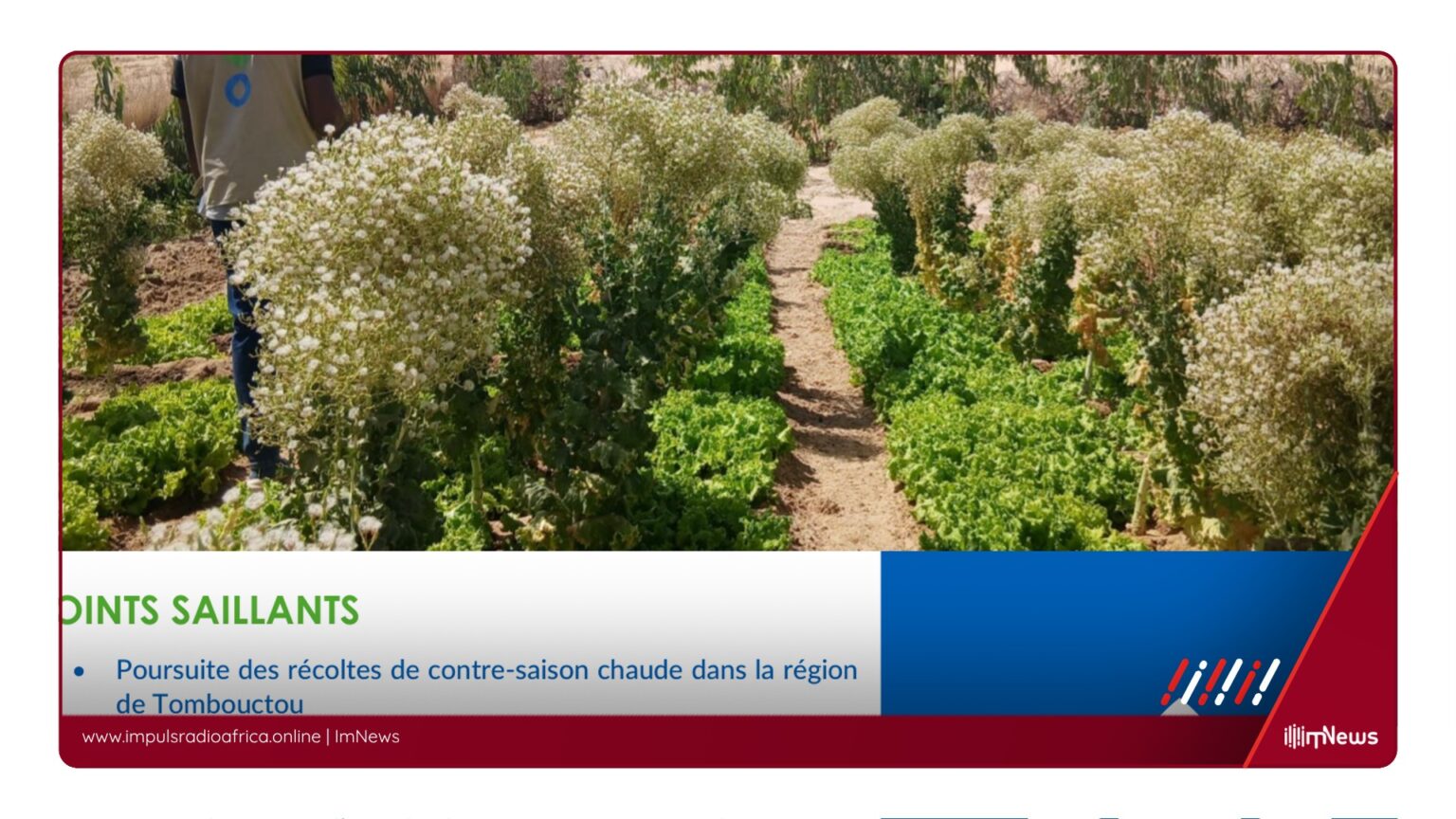
The Timbuktu region has seen the continuation of off — season harvesting and the commencement of agricultural activities for the 2026-2027 rainy season.
However, lower water levels in the Niger River have spurred an increase in fishing activities, while the livestock body condition in both regions has been assessed as average to fair, with Taoudénni facing fair to poor conditions.
Additionally, the average prices of rice and millet have shown a downward trend on consumer markets, raising concerns about food security.
The bulletin indicates that the off — season harvesting in the Timbuktu region has continued, with the start of agricultural activities for the upcoming rainy season.
This is a crucial period for the region’s food security, as the rainy season typically brings increased agricultural and fishing activities.
However, the lower water levels in the Niger River have had a notable impact, leading to a boost in fishing activities in the Timbuktu region. This development, while beneficial for some, also highlights the region’s vulnerability to climate variability.
The livestock body condition in Timbuktu was assessed as average to fair, while in Taoudénni, it was fair to poor. This indicates that the region’s livestock sector is under stress, potentially affecting the livelihoods of local communities that rely on pastoralism.
The downward trend in average prices of rice and millet on consumer markets is also a concern, as it may indicate a decrease in the availability or accessibility of these staple foods.
The situation in the region is further complicated by the security context.
The bulletin mentions movements of internally displaced persons (IDPs) in both regions, which could have significant implications for the local economy and social fabric.
The security situation, while not directly impacting agricultural activities, could affect the overall stability of the region and, consequently, its ability to respond to the challenges posed by climate variability.
KICKER: The long-term impact of the lower water levels in the Niger River on the fishing industry remains to be seen. It is crucial for local and international organizations to address the nutritional and health situation in the region, while also considering the broader implications of climate change and security challenges.
As the region prepares for the 2026-2027 rainy season, the focus must be on sustainable agricultural practices, improved water management, and support for vulnerable communities.
*Additional reporting by ImNews | Sources consulted: 2*
—
This original article was produced by the ImNews editorial team
Source: reliefweb
Source: Action contre la Faim France