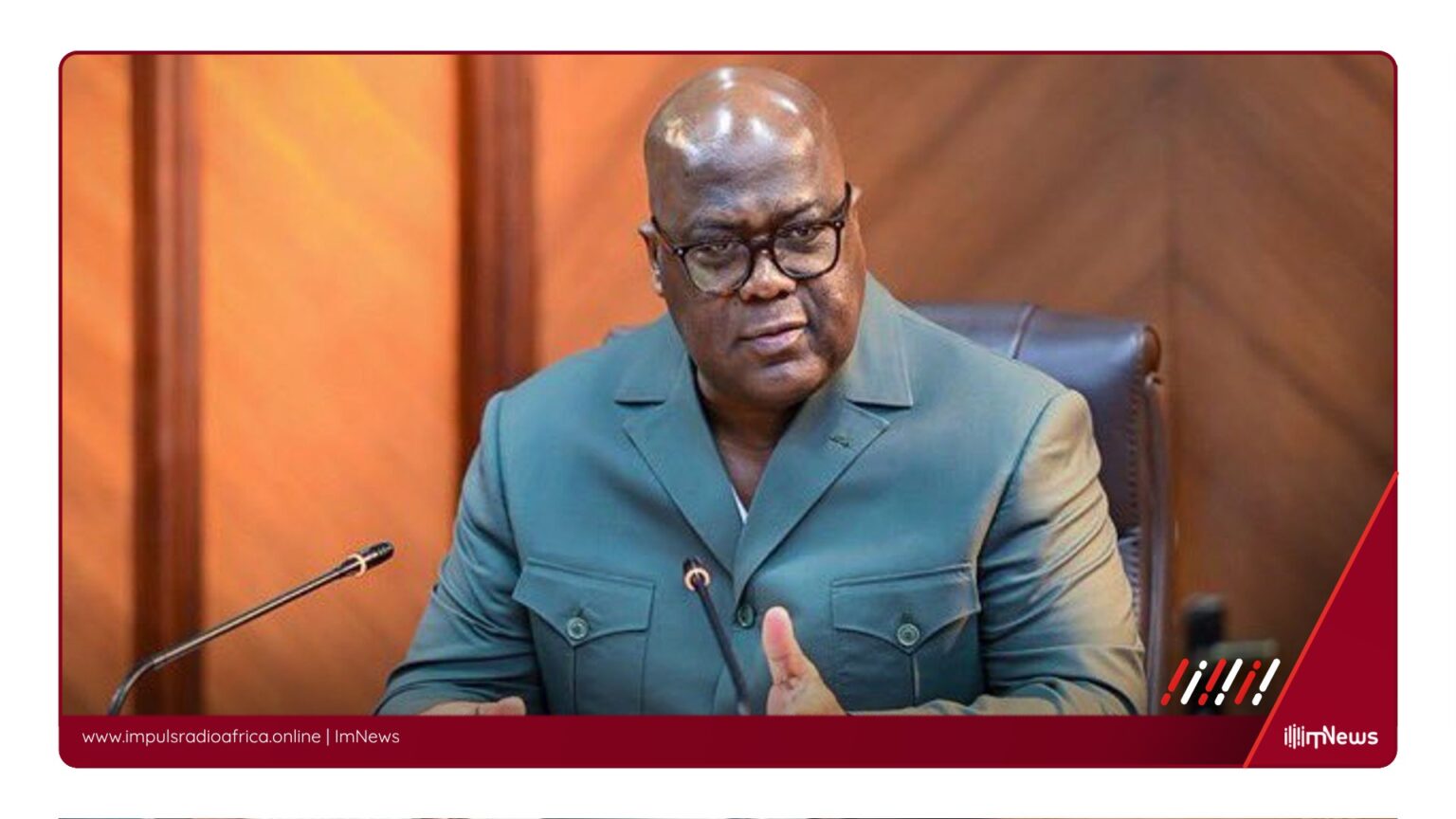
Kigali, Rwanda — President Félix Tshisekedi’s push for constitutional reform in the Democratic Republic of Congo (DRC) has ignited a national debate and sparked protests, as opposition parties, civil society, and legal experts decry the potential alterations to the country’s political rules during a period of ongoing conflict in the east.
The DRC’s parliament has passed legislation for a referendum on constitutional reform, a move that opposition leaders and critics argue is a calculated attempt to enable Tshisekedi to seek a third term, bypassing the two-term limit stipulated in the current constitution. This has led to violence and the death of at least one protester in Kinshasa, as reported by the United Nations.
The opposition coalition, C64, named after the article in the DRC constitution that grants citizens the right to resist an unconstitutional seizure of power, has postponed nationwide protests, originally set for July 8, following mediation efforts by Burundian President Evariste Ndayishimiye, the current chair of the African Union.
The proposed changes have also drawn the attention of international observers, including the African Union, which has called for dialogue and a peaceful resolution to the crisis.
The opposition maintains that the changes are a thinly veiled attempt to extend Tshisekedi’s presidency beyond the two-term limit. Supporters of the proposed reforms argue that the changes are necessary for the country’s stability and development.
The ongoing conflict in the east of the country has internally displaced millions, and the proposed constitutional reforms are seen by some as a way to address deeper systemic issues.
The debate is unfolding against a backdrop of significant security challenges, with the Alliance Fleuve Congo (AFC) occupying large areas in the east, and the Washington peace accords signed between the DRC and Rwanda yet to bring lasting stability. Legal arguments are equally contentious. Some experts argue that the proposed changes are unconstitutional, particularly given the current exceptional national circumstances of conflict and territorial control challenges.
Others argue that the 2006 Constitution is outdated and hampers meaningful reform.
The DRC’s constitutional court will play a crucial role in determining the legality of the proposed changes. If the court validates the reforms, it could pave the way for Tshisekedi to seek a third term. Conversely, a rejection of the changes could lead to further unrest and political instability.
As the situation evolves, the African Union’s response to the political tensions in the DRC will be closely monitored, with potential implications for the country’s political future and its relations with the international community.
*Additional reporting by ImNews | Sources consulted: 5*
—
This original article was produced by the ImNews editorial team
Source: Panafricanvisions
Source: Pan African Visions