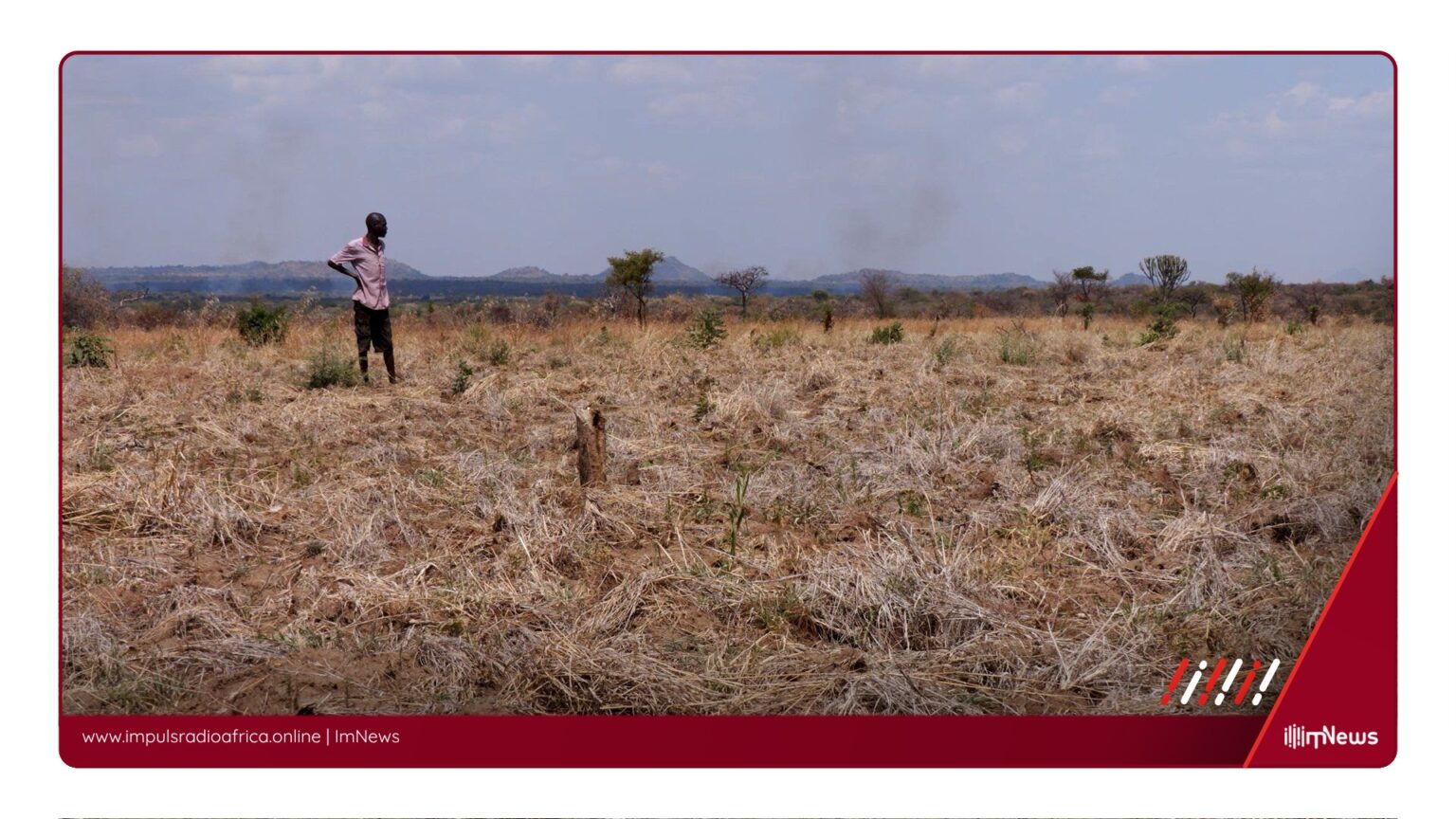
Karamoja’s Severe Food Crisis: A Deepening Emergency KAMPALA, Uganda – A severe food crisis has reached alarming proportions in Uganda’s Karamoja region, where a prolonged drought has led to widespread crop failure and left thousands without sustenance.
According to FEWS NET, an estimated 2. 5 to 2.
99 million people will require food assistance between June and January 2027, with outcomes ranging from Stressed (IPC Phase 2) to worse across most of Uganda.
The situation is dire, with the Food Rights Alliance reporting that 18 people have died due to prolonged drought and food shortages.
The Ugandan government has officially declared a food emergency in Karamoja and launched relief operations after confirming 16 deaths linked to food shortages, a result of the prolonged dry conditions and crop failure.
Karamoja, a region that has historically faced challenges with food security, is further strained by a large and growing refugee population. This demographic adds to the strain on resources, exacerbating the food crisis.
FEWS NET projects that 1.
0 to 2. 49 million people in Uganda will need food assistance, with the Karamoja region being the most affected.
The World Food Programme (WFP) has reported a shortfall of 47 million USD, indicating that current funding will be insufficient to fully address the expected needs through 2026.
This financial gap underscores the urgency of the situation and the need for immediate and sustained intervention.
The Ugandan government’s declaration of a food emergency and the initiation of relief operations signify an acknowledgment of the severity of the situation and a commitment to addressing it.
However, questions remain about the specific measures being taken to ensure long — term food security in Karamoja.
The ongoing drought is having a profound impact on crop production and water availability.
The situation is particularly dire for children and vulnerable groups, with rising malnutrition reported among the young.
The Food Rights Alliance has called on the government to release contingency funds to district disaster management committees to enable rapid local responses.
As the food emergency deepens, the international community’s response is critical.
The status of the ongoing drought and its impact on crop production and water availability remain key concerns. How the international community responds to this emergency will be a testament to its commitment to addressing food insecurity in Africa.
What happens next in Karamoja is uncertain, but the urgency of the situation cannot be overstated.
The region’s ability to recover from this crisis will depend on the effectiveness of immediate relief efforts and the implementation of sustainable solutions to improve food security in the long term.
*Additional reporting by ImNews | Sources consulted: 5*
—
This original article was produced by the ImNews editorial team
Source: aljazeera