Ghana’s Sentuo Refinery Expansion: A $2B Bet on Local Fuel Production and Energy Security BODY: Lagos, Nigeria – In a bold move towards energy self-sufficiency, Ghana is advancing the expansion of its first privately-owned oil refinery, the Sentuo Oil Refinery, with a $2 billion investment.
The government, led by Minister of Energy and Green Transition John Abdulai Jinapor, has set a target to produce 70% of the nation’s fuel domestically by 2026.
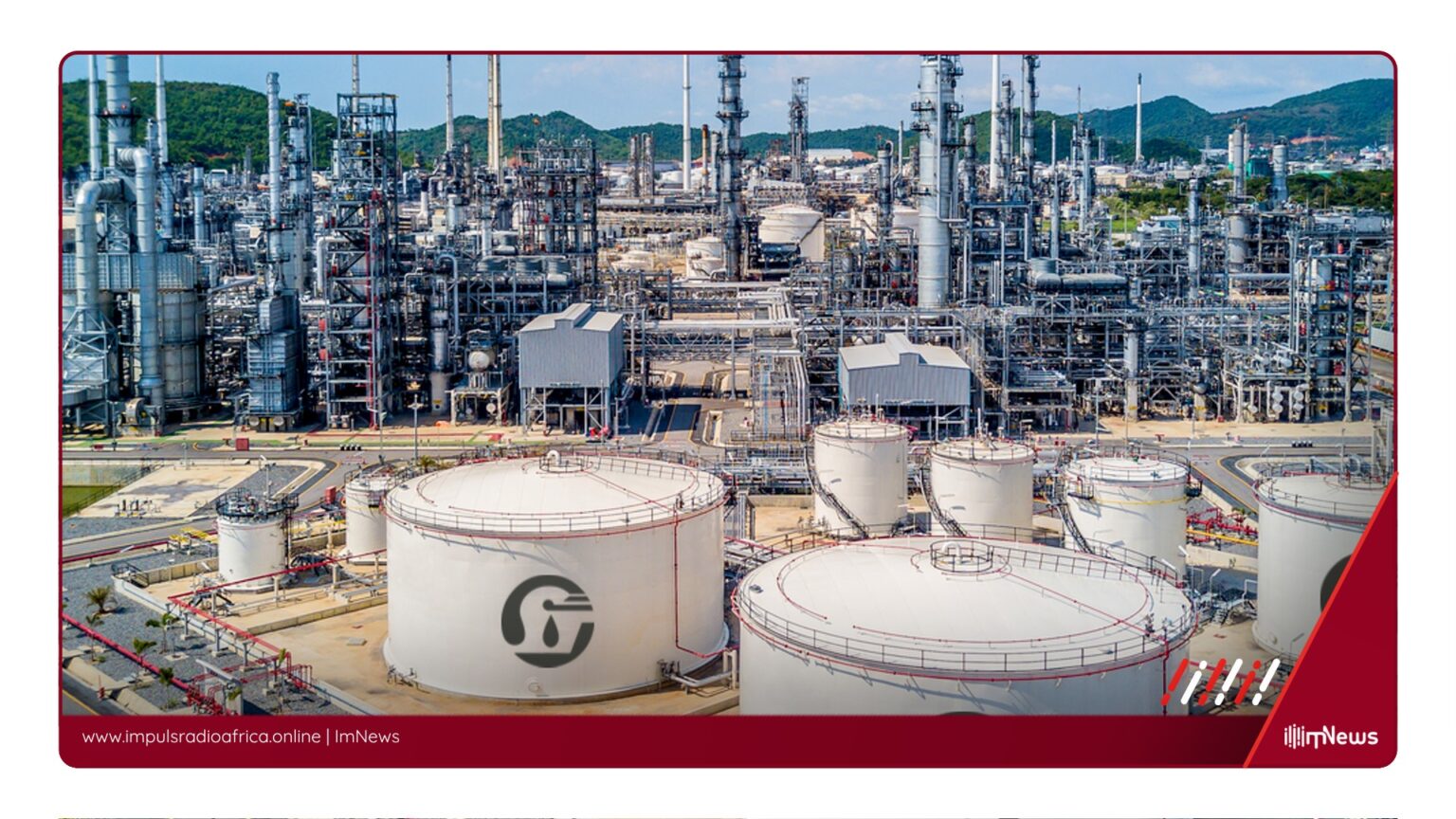
The Sentuo Oil Refinery, constructed by a Chinese group, is currently undergoing a significant expansion, increasing its processing capacity from 40,000 to 100,000 barrels per day. This expansion is underpinned by a $200 million loan facilitated by Ecobank Ghana, underscoring the financial commitment to the nation’s energy transformation. Ghana’s push for domestic fuel production is part of a larger strategy to decrease reliance on imported refined petroleum products.
Despite being an oil — producing nation since 2010, the country has been predominantly importing its refined fuels. This expansion is not just a domestic initiative; it reflects a broader regional trend.
The commissioning and expansion of the Dangote Refinery in Nigeria have ignited investor interest in Africa’s energy sector, signaling a strategic shift towards reducing dependence on imported fuel and supporting regional trade.
The financing package for the Sentuo Oil Refinery expansion is indicative of West Africa’s evolving energy security and industrialization landscape. Ecobank Ghana’s role in coordinating the financing package highlights the crucial role of local financial institutions in backing transformative projects.
However, challenges remain.
The government must ensure that the increased production meets both domestic demand and export requirements.
The success of the project will also depend on the local industry’s capacity to meet the demand for refined products.
The Sentuo Oil Refinery’s expansion and the upgrades to the state-owned Tema Oil Refinery are pivotal components of Ghana’s strategy to achieve its 70% local fuel production goal. Their success will not only reshape Ghana’s energy landscape but also set a precedent for other African countries aiming to reduce their dependence on imported fuels.
As Ghana moves towards its energy independence target, the Sentuo Refinery expansion stands as a testament to the growing confidence in Africa’s energy sector. It represents a significant step towards energy security and economic diversification for both Ghana and the entire region.
*Additional reporting by ImNews | Sources consulted: 5*
—
This original article was produced by the ImNews editorial team
Source: Africa.businessinsider
Source: Solomon Ekanem