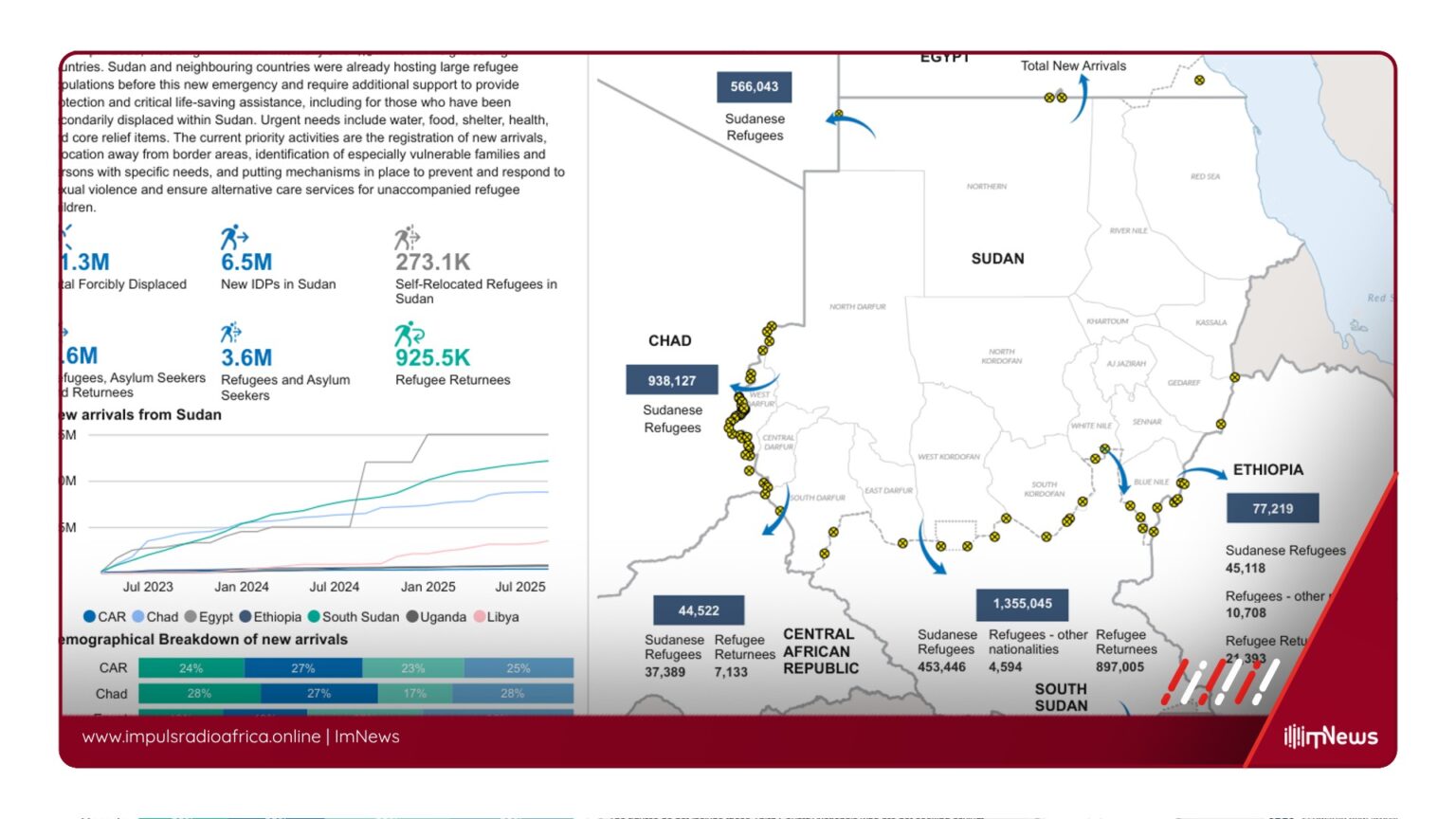
Cairo, Egypt — Sudan’s Humanitarian Crisis Intensifies Amidst Conflict and Cholera Outbreak The humanitarian situation in Sudan continues to deteriorate amidst ongoing conflict and a growing cholera outbreak, according to recent updates from the United Nations High Commissioner for Refugees (UNHCR) and ReliefWeb. Since the start of the conflict in April 2023, the crisis has led to the displacement of 11. 8 million individuals, including 7 million internally displaced and 4.
5 million seeking refuge in neighboring countries.
The World Health Organization (WHO) reported 1,330 cases of cholera in Sudan as of July 2026, with the rainy season set to peak next month, emphasizing the critical need for safe water to reduce the risk of waterborne diseases.
The World Food Programme (WFP) reached 3.
7 million people in June 2026, the highest monthly number in 2026, due to WFP’s strong logistical and procurement capacity. Local sources reported that three drones struck multiple locations in Al Rahad, North Kordofan, impacting a health center and an area adjacent to the main market on 20 July 2026.
This incident highlights the ongoing security concerns and the impact on civilian infrastructure.
The conflict between the Sudanese Armed Forces (SAF) and the Rapid Support Forces (RSF) has led to widespread displacement and a severe humanitarian crisis.
The UNHCR and ReliefWeb provide data and updates on the situation, with ReliefWeb also reporting on the spread of cholera and the impact of drone strikes in Al Rahad, North Kordofan.
The data from Scribd and ReliefWeb indicate the scale of the humanitarian crisis and the urgent needs for water, food, shelter, and health services.
As of February 2026, the conflict has resulted in 11. 8 million forcibly displaced individuals, emphasizing the need for continued international support.
The African Union and the United Nations have called for an immediate ceasefire to allow for the delivery of humanitarian aid and the protection of civilians.
However, the situation remains volatile, with ongoing violence and limited access to affected areas.
The international community must continue to support efforts to address the humanitarian crisis in Sudan. This includes providing essential aid, such as food, water, and medical supplies, as well as working towards a peaceful resolution to the conflict.
As the situation in Sudan evolves, it is crucial for the global community to remain vigilant and responsive to the needs of those affected.
The ongoing crisis underscores the importance of international cooperation and solidarity in the face of such challenges.
*Additional reporting by ImNews | Sources consulted: 5*
—
This original article was produced by the ImNews editorial team
Source: reliefweb
Source: UN High Commissioner for Refugees