Libreville, Gabon — July 25, 2026 – The International Summer School Campus Mbongi, themed “Languages, Indigenous Knowledge and Ecology, “commenced its second edition in Libreville.
The initiative, a collaboration between the Bantuphonie network of the UNITWIN/UNESCO Chairs program and the Economic Community of Central African States (CEEAC), aims to promote traditional African knowledge as a tool for biodiversity conservation. Involving scholars, academics, and students from eleven CEEAC member states, the program emphasizes the importance of local languages and indigenous knowledge in preserving ecological wisdom, particularly in the Congo Basin, a biodiversity hotspot.
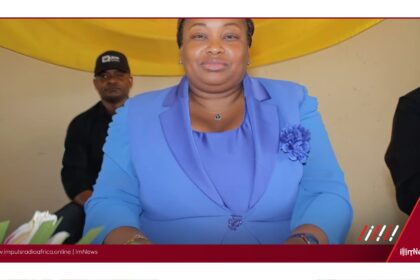
The summer school’s workshops and field trips are designed to challenge conventional conservation strategies by advocating for the integration of local languages and indigenous knowledge. Participants will engage in activities that explore the significance of indigenous knowledge in conservation, offering hands-on experience in applying this knowledge to real-world scenarios. During the opening ceremony, the CEEAC’s Commissioner responsible for Gender Promotion, Nelly Banaken, highlighted the initiative’s role in regional integration, emphasizing the importance of education, science, and the valorization of ancestral knowledge.
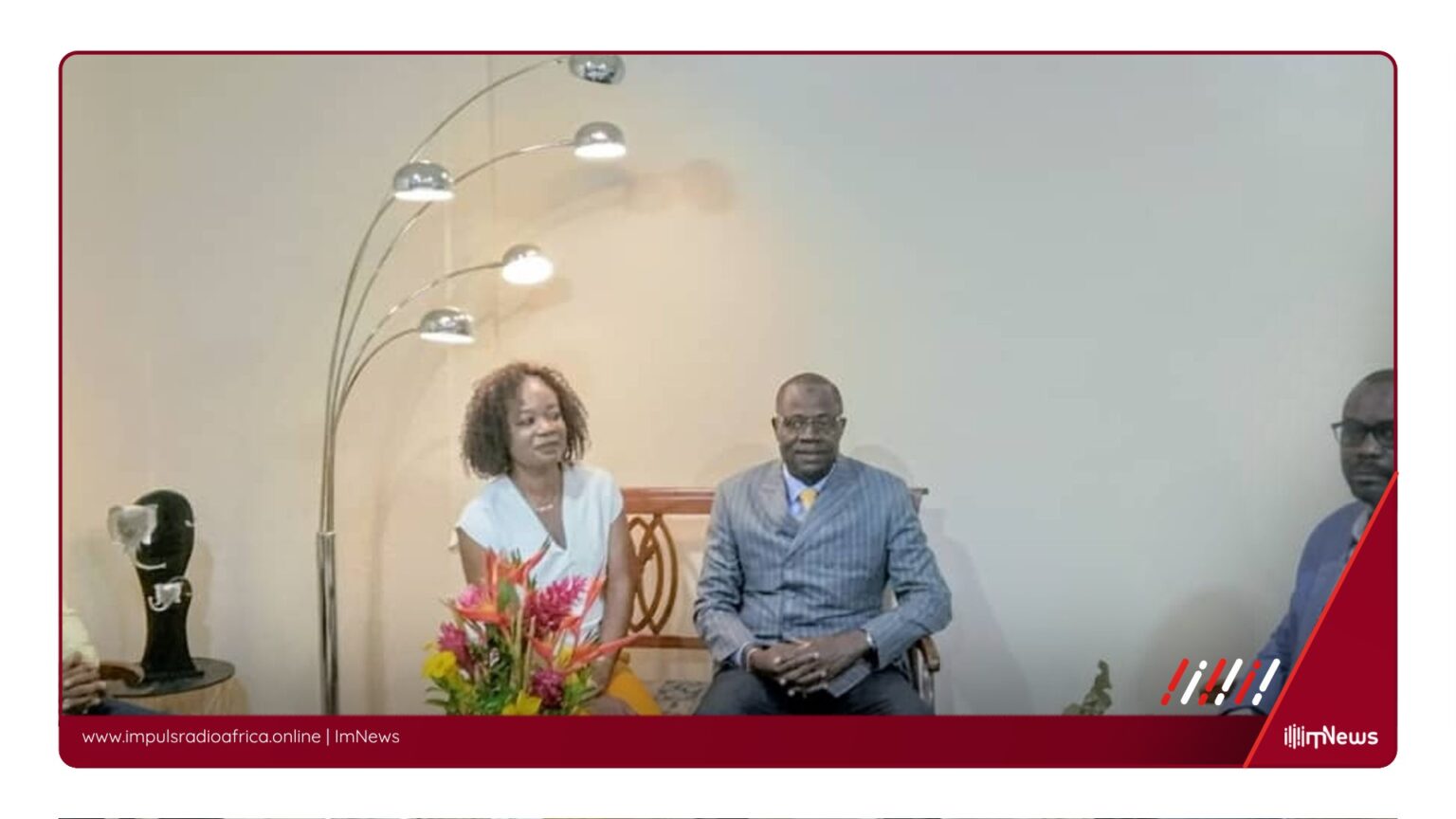
The Coordinator of the UNITWIN/UNESCO Chairs program, Professor Patrick Mouguiama-Daouda, explained the program’s intent to foster dialogue between traditional knowledge and contemporary sciences while preserving local wisdom.
The CEEAC supports the initiative, emphasizing the need for science and indigenous knowledge in regional integration.
The outcomes are expected to contribute to the development of new conservation strategies aligned with the cultural and ecological realities of the Congo Basin. Campus Mbongi 2026 represents a significant step in recognizing the value of traditional knowledge in contemporary conservation efforts.
As the event progresses, its success will rely on the engagement and integration of participants’knowledge and experiences into future conservation practices.
*Additional reporting by ImNews | Sources consulted: 5*
—
This original article was produced by the ImNews editorial team
Source: Agpgabon
Source: Redaction