

Congo Conflict Escalates Despite Peace Agreement with Rwanda BODY: Kigali, Rwanda – Despite a peace agreement signed with Rwanda in late 2025, violence continues to plague the Democratic Republic of the Congo (DRC), particularly in the eastern provinces of North Kivu and Ituri.
The situation has raised concerns among regional and international actors about the effectiveness of the agreement and the security of the civilian population.
In February 2025, Rwandan National Police officers observed M23 fighters crossing the border into the DRC at the Rusizi border post, a development that underscores the ongoing tensions in the region.
This observation by the Rwandan authorities is indicative of the complex dynamics at play, as the M23 rebel group has been previously supported by Rwanda and has been implicated in serious abuses.
According to reports, the peace agreement was intended to signal a de — escalation of hostilities and a move towards stability.
However, the continued violence suggests that the underlying structural problems remain unresolved.
A pledge4peace. Org article highlights the failure of the peace agreement to deliver stability, emphasizing the need for addressing deeper structural problems.
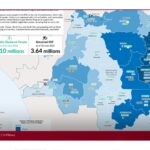
The UNHCR’s document from July 31, 2025, indicates that as of that date, there were 657 downloads of the document ‘République Démocratique du Congo – La RDC en bref – 31 juillet 2025’, reflecting the ongoing interest in the situation within the DRC.
The document from the previous year, dated July 31, 2024, was downloaded 1,134 times, suggesting a sustained level of concern.
The humanitarian situation in the DRC has not improved significantly since the peace agreement was signed.
The UN document offers an official perspective on the situation, which may not fully capture the complexities on the ground.
The credibility score of the sources is moderate, with a mix of official documents, reputable NGOs, and less — known organizations.
The DRC’s history of instability and conflict, particularly in the eastern regions, has been exacerbated by the presence of various armed groups and regional tensions.
The post — colonial history of the DRC has been marked by struggles for power and resources, leading to cycles of violence and displacement.
The unanswered questions remain: What specific measures have been taken by the Congolese government and its allies to address the ongoing conflict in North Kivu and Ituri? How has the humanitarian situation evolved since the peace agreement with Rwanda was signed? What role is the international community playing in supporting peace efforts in the DRC?
The international community’s response to the ongoing conflict in the DRC is critical.
The African Union, United Nations, and other international organizations must continue to press for a comprehensive and sustainable solution that addresses the root causes of the conflict and protects the rights and well — being of the civilian population.
As the situation in the DRC remains fluid, the next steps and the outcomes of the peace agreement will be closely watched by both regional and international actors.
The stakes are high, and the future of the DRC and its people hang in the balance.
*Additional reporting by ImNews | Sources consulted: 5*
—
This original article was produced by the ImNews editorial team
Source: reliefweb
Source: UN High Commissioner for Refugees