
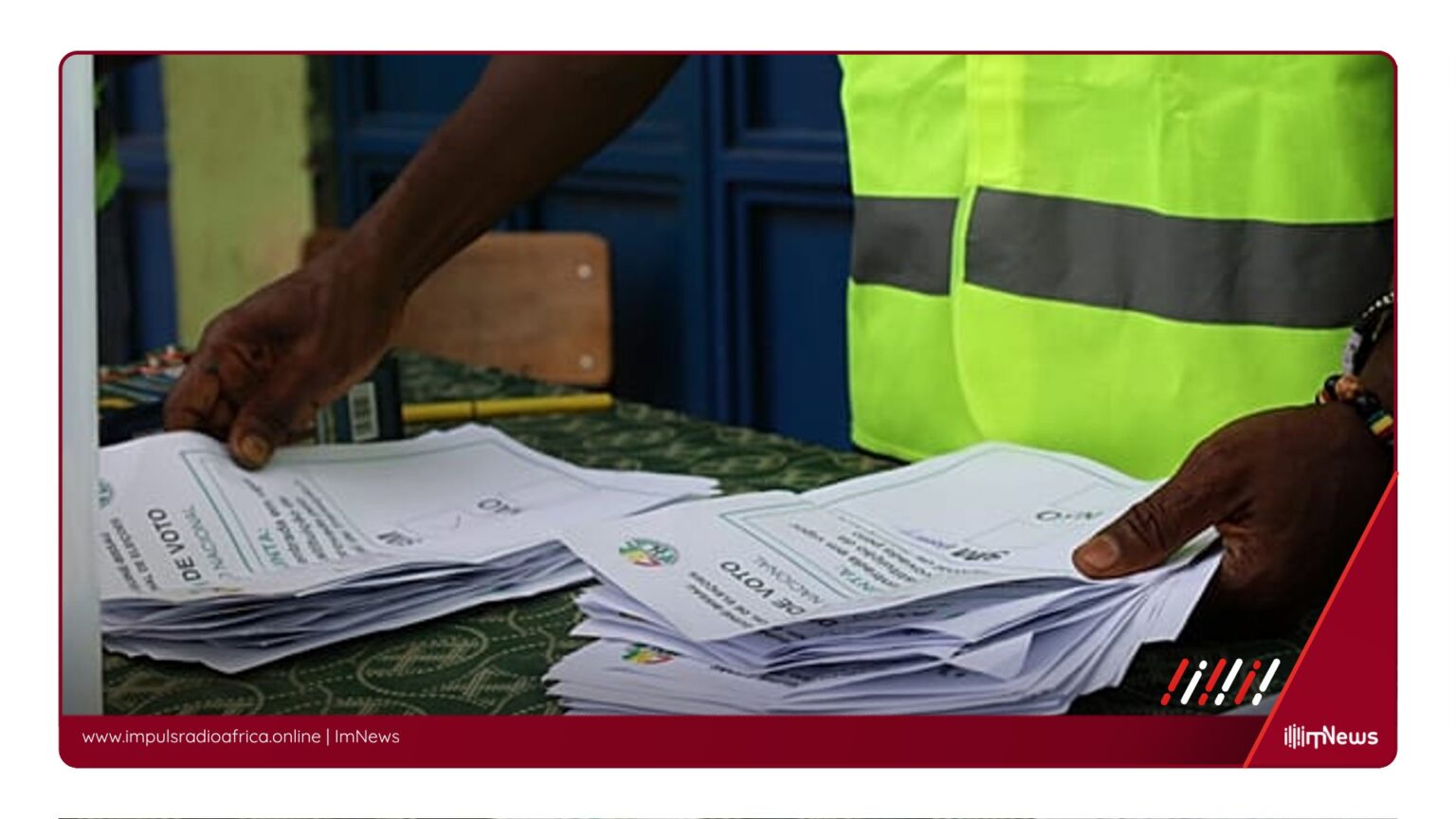
Guinea — Bissau Referendum: Shaping the Future of a Nation’s Leadership BODY: Bissau, Guinea-Bissau – August 31, 2026 – In a pivotal moment for Guinea-Bissau, voters cast their ballots in a historic referendum on August 30, 2026, to decide on a proposed new constitution.
The constitution aims to significantly strengthen the presidency and reduce the size of the parliament, reshaping the political landscape of the country.
The referendum is a critical step in the military government’s attempt to reform the political system before the upcoming elections scheduled for December 2026.
The proposed changes include replacing the current semi — presidential system with a stronger presidential model, granting the head of state greater authority over the executive branch.
The African Party for the Independence of Guinea and Cape Verde (PAIGC), a leading opposition party, has rejected the referendum, calling for a boycott.
The party argues that the draft constitution would weaken the prime minister, subordinate the parliament, and concentrate excessive power in the presidency. Critics also question the legitimacy of the transitional authorities to rewrite the constitution, suggesting that a military government should not make fundamental changes to the political system. Despite the boycott calls, the National Electoral Commission reported that participation exceeded 55 percent, with voting taking place peacefully and without major incidents.
The commission expects preliminary results to be announced within three to seven days. Guinea-Bissau’s political history is rife with instability and military coups, and the country has struggled to establish a stable democratic government.
The latest coup, which took place in November 2025, followed a disputed election and deepened the democratic crisis across West Africa.
The proposed constitutional changes are seen as a test of the military government’s commitment to democratic reforms and the rule of law. Proponents argue that clearer lines of authority and a stronger presidency could improve governance and reduce the influence of military factions in politics.
However, opponents fear that concentrating power in the presidency could lead to authoritarian rule. They question the process through which the draft was produced, suggesting it was rushed and lacked sufficient public consultation.
The PAIGC’s concerns about the legitimacy of the referendum and the control of the electoral process by the military government remain a point of contention.
The outcome of the referendum will be crucial in determining the future of Guinea — Bissau’s political system and governance.
As the country awaits the results, the world watches closely to see how Guinea — Bissau’s transition unfolds and whether it can move towards a more stable and democratic future.
*Additional reporting by ImNews | Sources consulted: 5*
—
This original article was produced by the ImNews editorial team
Source: Africanews
Source: Dominic Wabwireh