
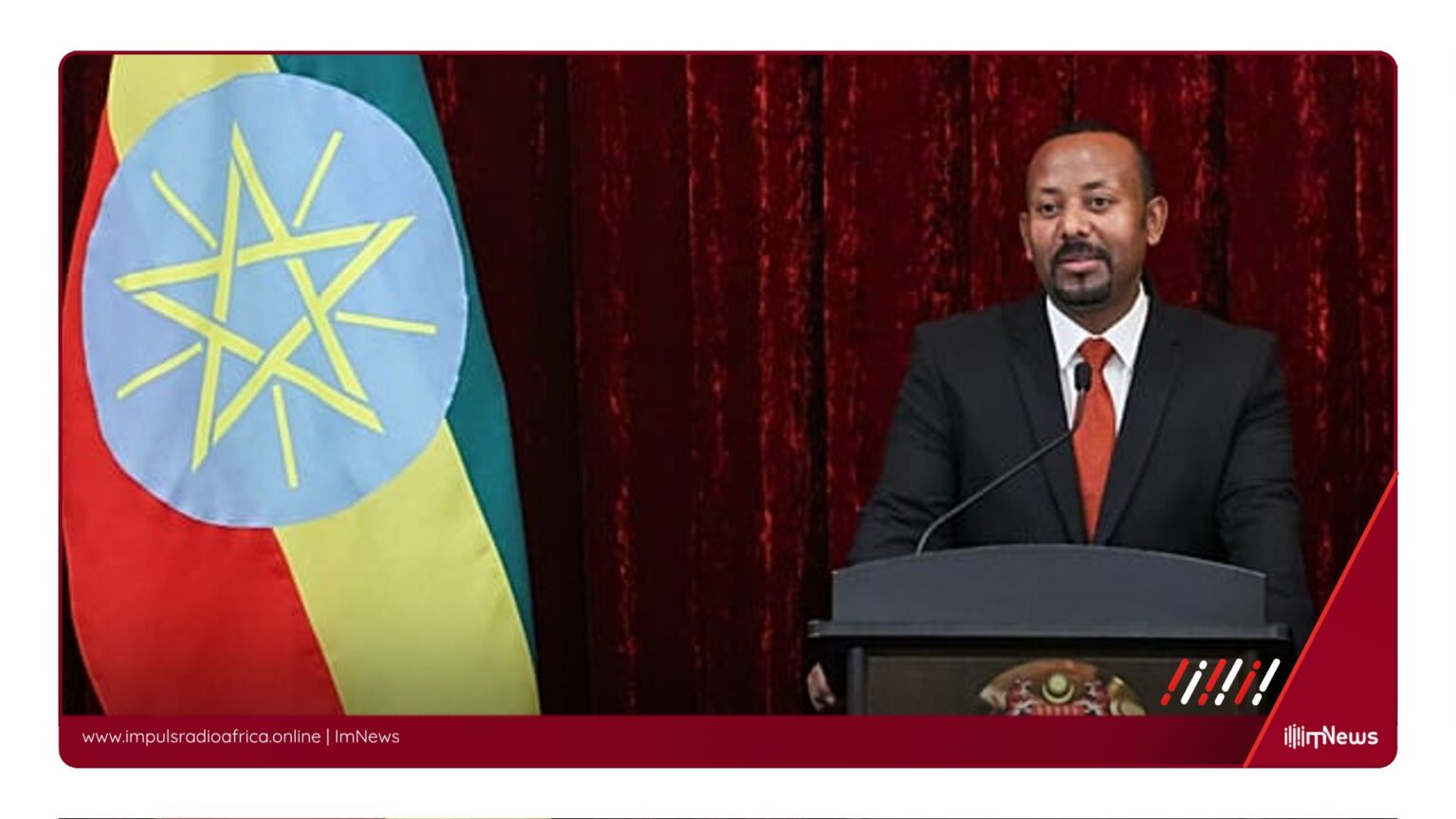
ADDIS ABABA, Ethiopia — A national dialogue in Ethiopia has endorsed a constitutional change that would merge the roles of prime minister and president into a powerful executive presidency, a move critics argue could allow Prime Minister Abiy Ahmed to further consolidate his control following his party’s landslide election victory.
The dialogue, which concluded on August 22, involved over 4,000 delegates and recommended the adoption of an executive presidency.
The proposed changes could be presented to parliament when it reconvenes in October. Despite Abiy’s absence from the dialogue, many observers anticipate him to be the leading candidate for the new position if the changes are adopted.
The president would be chosen by a parliament dominated by members of his ruling party. Proponents of the proposal suggest that the system could foster a more unifying national leadership, with the president representing all ethnic groups rather than being elected as a parliamentary representative from Oromia.
However, critics are wary that the proposed changes could transform the political system to serve one individual. Political analyst Befekadu Hailu warns that the reforms could effectively eliminate the need for a prime minister, concentrating power in the hands of the executive president. Ethiopia, which has a complex history of dynasties and empires, transitioned to a federal democratic republic in 1991.
Prime Minister Abiy Ahmed assumed power in 2018 and has been a figure of significant change and reform, including the release of political prisoners and peace deals with neighboring countries. Supporters of the executive presidency argue that it could streamline the political process and enhance national unity. They reference the success of similar systems in other countries as evidence of its potential benefits.
Conversely, critics caution that the proposed changes could lead to a situation akin to Turkey under Recep Tayyip Erdogan, where power is concentrated in the hands of one individual, potentially resulting in authoritarian rule.
The debate over the executive presidency plan has ignited protests across the country, with opponents advocating for the rejection of the proposed changes.
As Ethiopia grapples with the potential implications of the executive presidency plan, the world watches closely to see how the situation unfolds.
The future of Ethiopian democracy hangs in the balance, and the decision made by the parliament in October could have far — reaching consequences for the country and the region.
*Additional reporting by ImNews | Sources consulted: 5*
—
This original article was produced by the ImNews editorial team
Source: Africanews
Source: Dominic Wabwireh