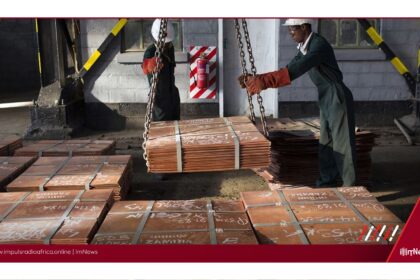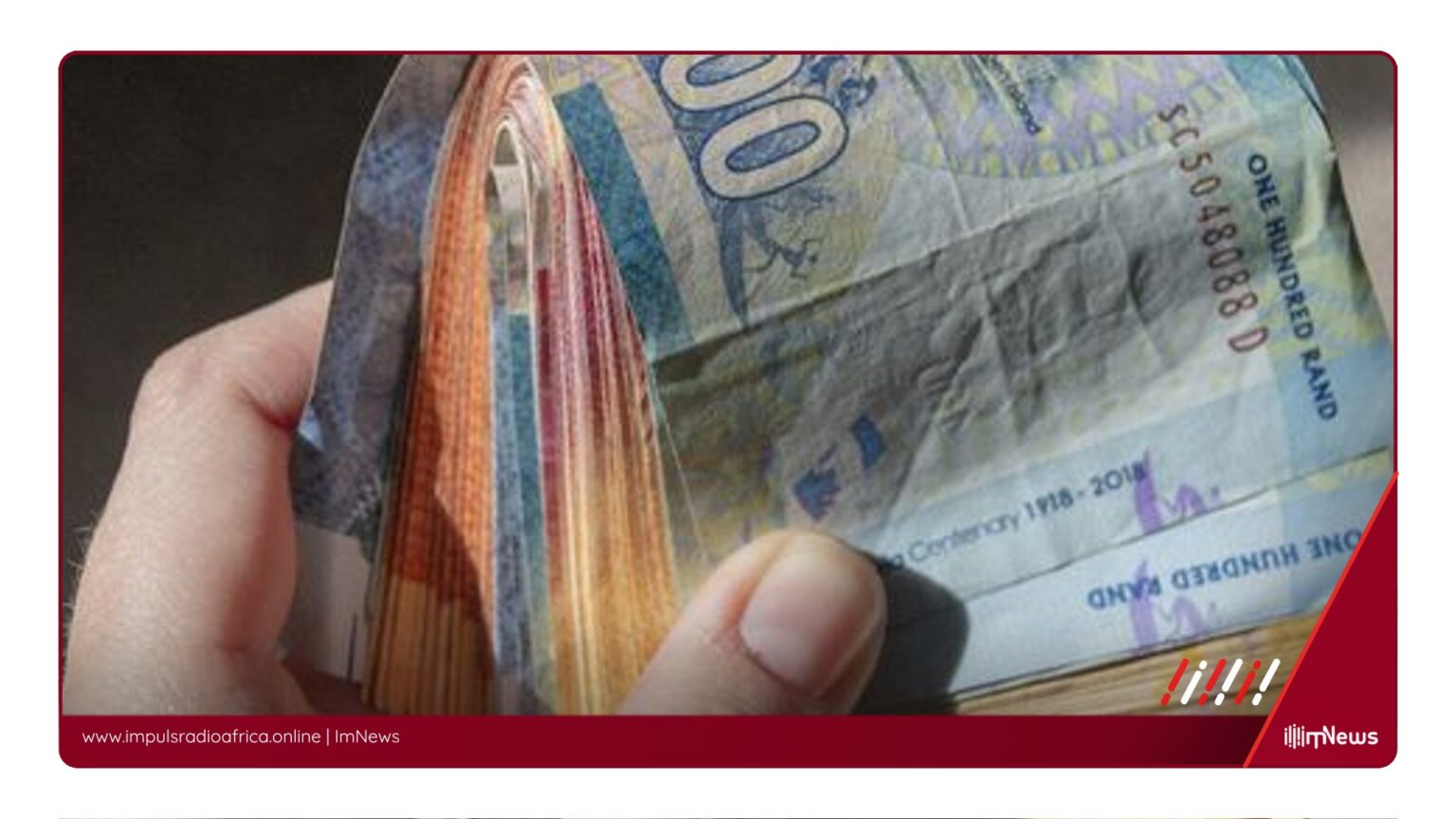
CAPE TOWN, SOUTH AFRICA — South Africa’s current account balance shifted from a deficit of R72.0 billion in the third quarter of 2025 to a surplus of R50.2 billion in the fourth quarter, marking the first surplus in two years. This development, as reported by the South African Reserve Bank (SARB), is attributed to higher rand prices for exports and lower import prices.
The SARB’s data reveals that the current account, which encompasses transactions between South African residents and the rest of the world, is heavily influenced by trade in goods and services, income, and current transfers. The strong performance in the export sector is a key factor in the balance shift.
In parallel, Agriculture Minister John Steenhuisen has emphasized the importance of grain producers in the country’s food security and agricultural economy. Steenhuisen called for predictable policies, improved infrastructure, and reduced regulatory barriers to support the sector, which employs nearly 950,000 South Africans and contributes approximately 6% to 7% of the country’s economy.
The surge in South Africa’s trade surplus coincides with strategic moves by other African nations. Kenya’s pivot to special economic zones, as reported by Streamline, aims to enhance trade within the East African Community (EAC) by addressing logistical inefficiencies and regulatory bottlenecks.
The Maritime Organisation for Eastern, Southern and Northern Africa (MOESNA) has also called on Malawi to deepen cooperation with regional partners to avoid being structurally excluded from the global shipping industry, which is crucial for the continent’s economic growth.
As South Africa and its neighbors navigate these economic shifts, a continued focus on sectors like agriculture and trade facilitation will be essential in sustaining the positive momentum.
Source: tralac