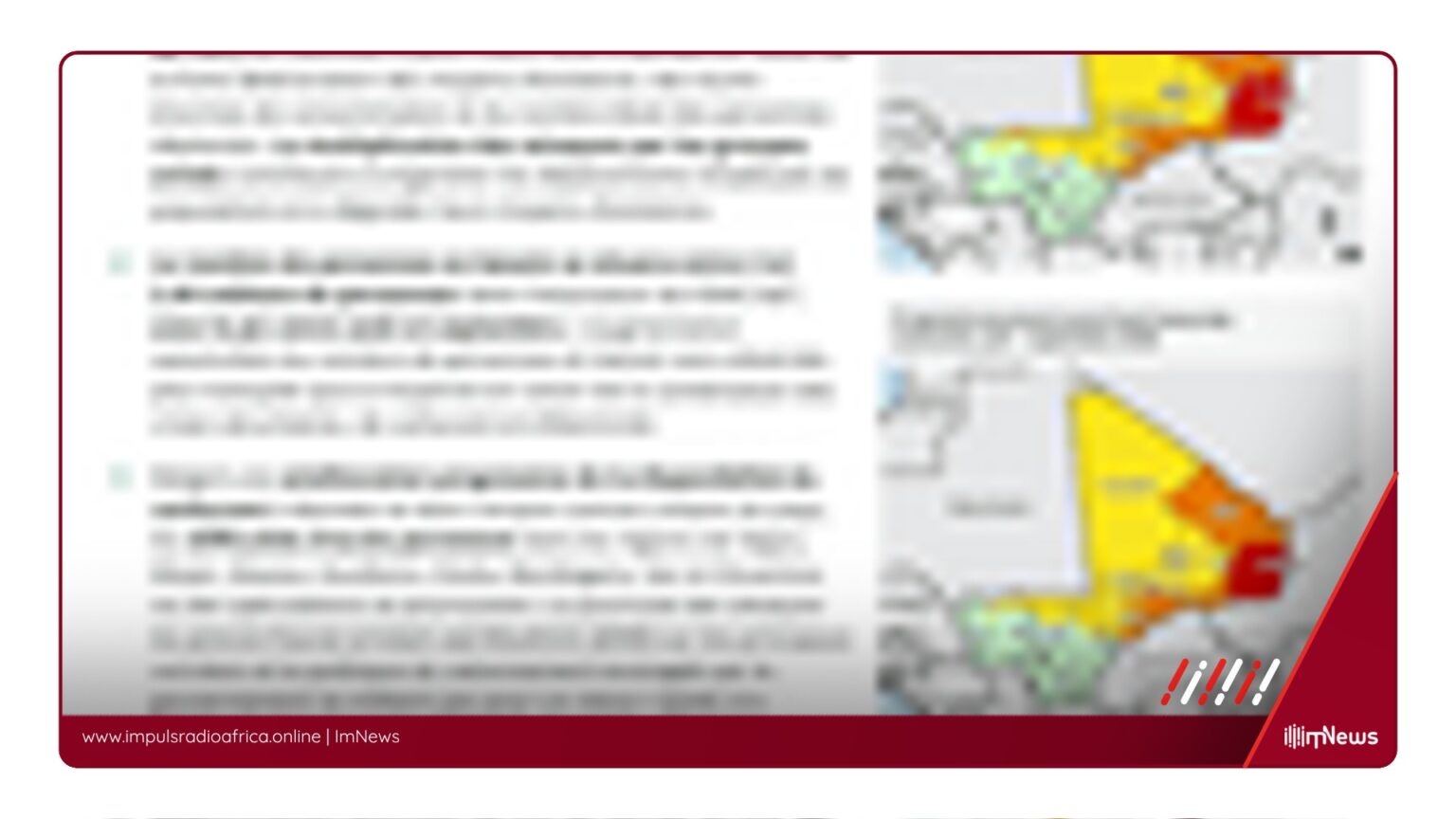
The northern regions of Mali’s Ménaka, Kidal, and Liptako Gourma are facing heightened levels of acute food insecurity, with predictions indicating a severe situation from February to September 2026. The crisis is attributed to a combination of skyrocketing food prices, reduced incomes, and ongoing conflict in the area.
In these regions, which have long been addressing instability, the situation is expected to deteriorate as the cost of basic food items continues to climb, making it increasingly difficult for families to afford sustenance. Additionally, the conflict has disrupted agricultural activities and trade routes, further exacerbating the scarcity of food supplies.
According to the United Nations World Food Programme (WFP), the current situation is a worrying development for the local populations who are already struggling to meet their basic needs. “The combination of high food prices, low incomes, and conflict has pushed many families into a precarious state, making it challenging for them to access food, “said a WFP spokesperson.
The WFP has called for immediate action to address the crisis, emphasizing the need for sustainable solutions that can support the local communities and improve their resilience to future shocks. “We are working closely with local authorities and humanitarian organizations to provide food assistance and support agricultural activities, “the spokesperson added.
The situation in Mali’s northern regions reflects a broader trend in the Sahel region, where climate change, political instability, and economic challenges are leading to increased food insecurity. This underscores the need for a coordinated and comprehensive approach to address the root causes of the crisis and ensure the long-term food security of the affected populations.
The unfolding crisis in Mali’s Ménaka, Kidal, and Liptako Gourma regions is a stark reminder of the challenges faced by vulnerable populations in the Sahel. As the situation continues to worsen, the urgency to find sustainable solutions becomes more pressing.
Source: United Nations World Food Programme (WFP)