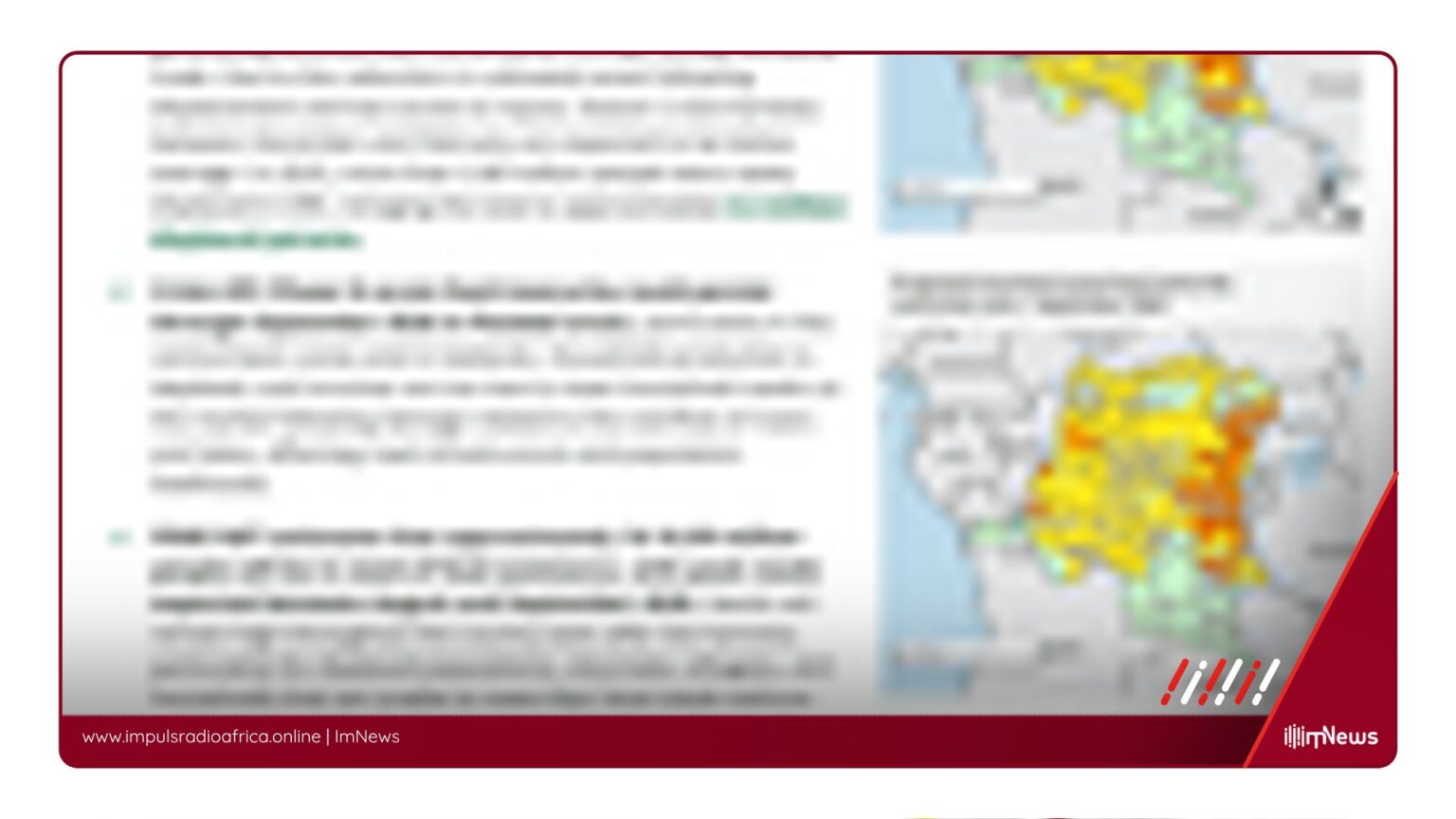
The Democratic Republic of Congo (DRC) is addressing food security challenges exacerbated by ongoing conflicts and population displacement. These factors are significantly hindering access to arable land and income-generating activities, ultimately affecting harvests and the livelihoods of households across the nation.
The multifaceted conflicts have displaced large numbers of people, disrupting traditional agricultural practices and forcing many to rely on food aid. According to the United Nations World Food Programme (WFP), the situation is particularly dire in areas such as Ituri and North Kivu, where violence has led to a loss of arable land and increased competition for limited resources. “The displacement of communities has left many without the means to plant crops or engage in their usual income-generating activities, “said a WFP spokesperson. “.
This, in turn, has led to a decrease in harvests and a reliance on food assistance for millions of Congolese.”The impact of these challenges is evident in the increasing number of households facing food insecurity. The DRC’s food security situation has been further complicated by the COVID-19 pandemic, which has disrupted supply chains and increased the cost of food.
In response, the government and international aid organizations have been working to provide relief and support to affected communities.
Efforts to address the crisis include the distribution of food aid, the promotion of sustainable agricultural practices, and the provision of support to displaced populations. However, the scale of the challenge remains significant, with millions of people in need of assistance. “The situation in the DRC is a complex humanitarian crisis that requires a coordinated and sustained response from all stakeholders, “said the WFP spokesperson. “Without immediate and continued support, the situation is likely to worsen.”.
Source: United Nations World Food Programme