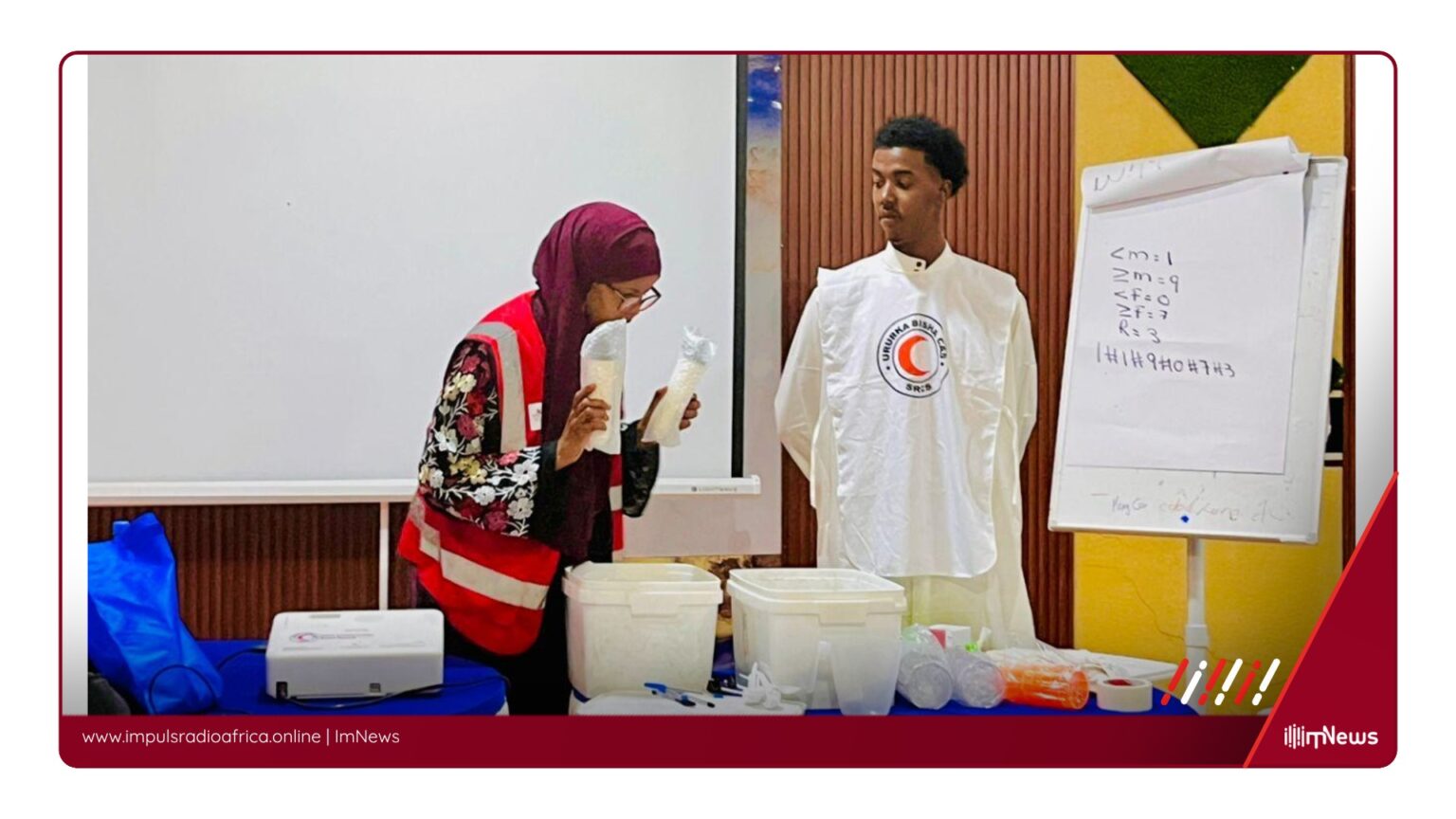
The International Federation of Red Cross and Red Crescent Societies (IFRC) has allocated CHF 219,904 to the Somali Red Crescent Society (SRCS) for the implementation of the Simplified Early Action Protocol (sEAP) to combat Cholera in Somalia. The protocol, which targets four districts in Somaliland and Puntland, aims to reduce the impact of the disease, which has been endemic since 2016.
The sEAP, supported by the IFRC and Norwegian Red Cross, involves prepositioning stock and conducting annual readiness activities. It is designed to reach up to 24,700 people and has a lead time of 10 days from the identification of an epidemiological trigger. Cholera outbreaks in Somalia are often linked to environmental factors such as droughts, floods, and heavy rains.
In 2017, Somalia reported approximately 78,000 cases and 1,159 deaths due to Cholera. By 2024, the disease had spread to over 30 districts, with children under five accounting for nearly 60% of cases. The sEAP aims to reduce morbidity and mortality associated with Acute Watery Diarrhoea (AWD)/cholera by activating early actions based on environmental triggers and surveillance data.
Key interventions include Risk Communication and Community Engagement, Emergency WASH interventions, and Branch Transmission Intervention Teams (BORT/CATI) to break transmission routes. Strengthening SRCS volunteer capacity and scaling up Community-Based Surveillance (CBS) coverage are also part of the readiness activities.
Source: reliefweb