Rabat, Morocco — Fuel prices have become a pressing concern for Moroccans, as they play a pivotal role in the nation’s daily life, influencing everything from daily commutes to the livelihoods of transport workers. In recent weeks, Morocco has witnessed a sharp surge in fuel prices, heightening concerns over transportation costs and inflation. This rise is a direct consequence of the ongoing conflict between the United States, Israel, and Iran, which has caused the global oil market to become increasingly volatile.
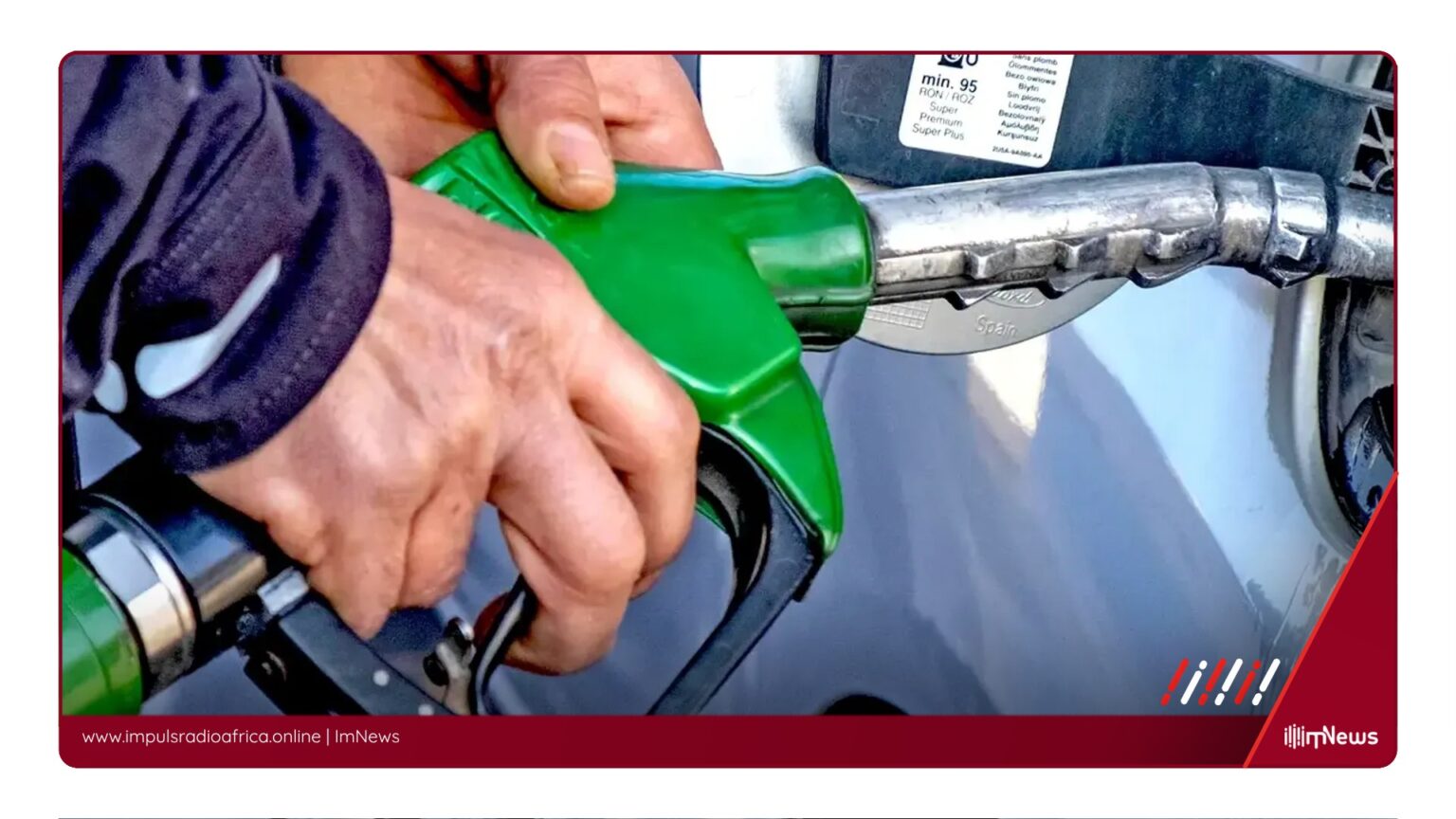
Fuel prices in Morocco experienced a dramatic increase by mid — March, with a 13. 9% hike from the previous month. Diesel prices surged by approximately MAD 2 per liter, while gasoline prices climbed by roughly MAD 2.
4. These price hikes have pushed fuel costs close to MAD 13-14 per liter in numerous cities, levels not witnessed since the 2022 Russia-Ukraine conflict. Since the liberalization of fuel prices in Morocco in 2015, the country has become heavily reliant on imports, which means domestic prices are closely tied to the fluctuations of international markets.
As global crude oil prices have reportedly reached $120 a barrel, these increases have swiftly translated into higher retail fuel prices across the nation.
The economic impact of these rising fuel prices is being felt across multiple sectors. Transportation costs for goods and passengers are on the rise, adding extra strain on travel expenses. Moreover, higher fuel prices are exerting pressure on household purchasing power, as everyday costs continue to escalate.
Small businesses, particularly those that depend on transportation delivery, are also facing increased operating expenses. These developments have sparked concerns that further fuel price increases could lead to broader inflation across Morocco’s economy.
According to projections from the International Monetary Fund, average inflation is anticipated to reach about 2% over the medium term. In response to the crisis, the Moroccan government has initiated aid programs to assist transportation professionals who are currently being affected. The aid scheme is open to various categories, including goods transport, private and public passenger transport, small taxis, large taxis, mixed transport, passenger transport coaches, and tourist transport professionals.
Amid the ongoing crisis, political and trade unions are calling for the activation of a temporary price cap and the cancellation of import taxes to alleviate the pressure on consumers. With continued geopolitical uncertainty, analysts warn that prices may continue to fluctuate in the coming weeks. If global oil markets deteriorate further, Morocco may experience additional increases in prices, particularly in diesel, which could have broader implications for the nation’s overall economic stability.
Source: moroccoworldnews