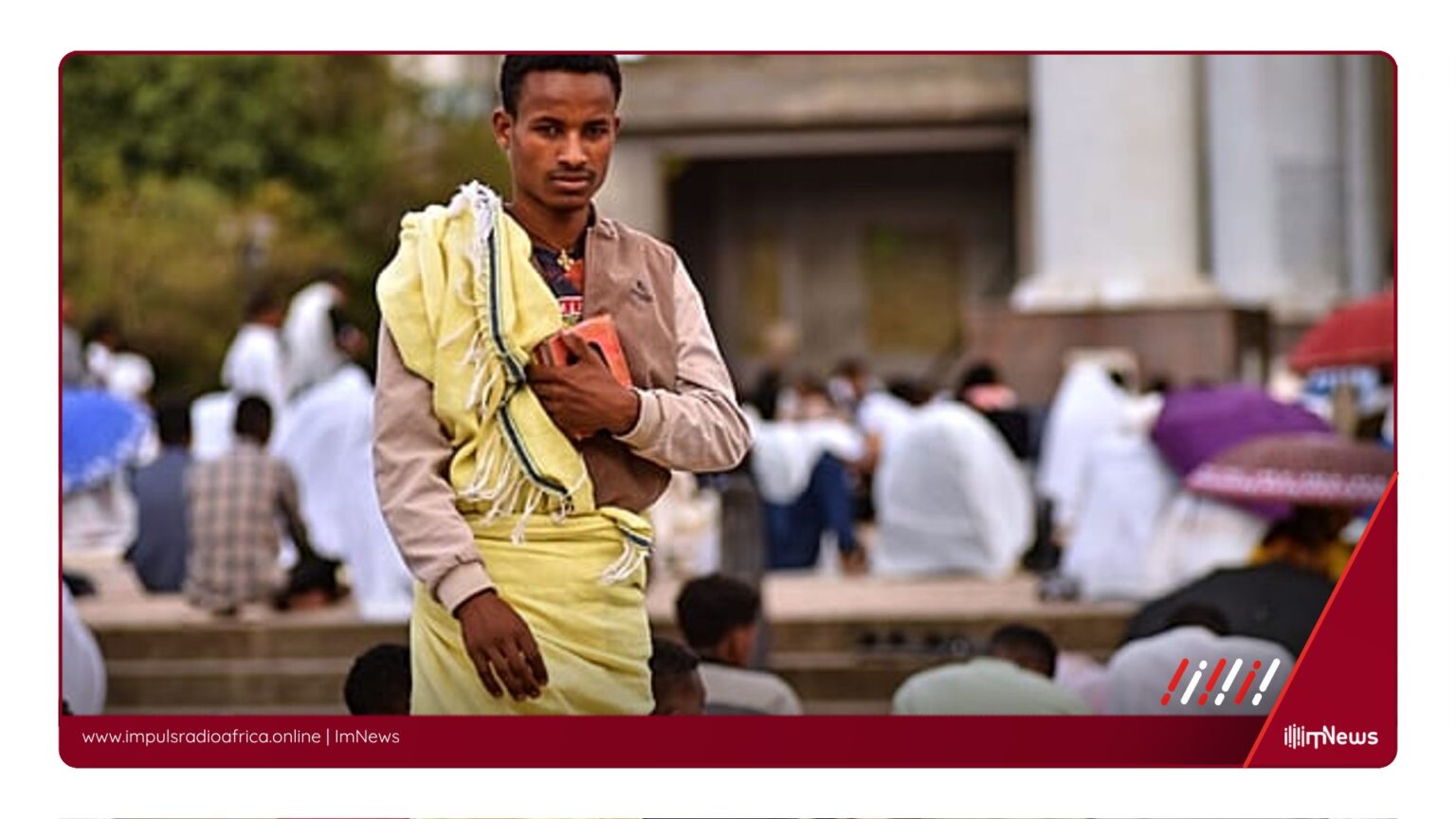
As millions of Ethiopian Christians prepare for Easter, the festive atmosphere in Addis Ababa is being overshadowed by the ongoing fuel crisis. The crisis, stemming from the Middle East situation, has led to chronic fuel shortages and skyrocketing prices of basic commodities. This year’s Good Friday celebration, marking the death and Resurrection of Jesus Christ, has been notably subdued as the country approaches the Ethiopian Easter holiday on Sunday.
The 55-day fasting period, known as Abiy Tsome, which typically involves communal prayers and the wearing of white traditional attire in churches, has been accompanied by a festive vigil seeking forgiveness and peace. However, the traditional slaughtering of animals has become a luxury for many due to the soaring costs. Samuel Teshome, a local resident, expressed his concern about the skyrocketing prices, noting that the cost of sheep has almost doubled since last year.
The fuel crisis has not only disrupted daily life but has also pushed entrepreneurs to turn to the black market, where fuel is sold at exorbitant prices, further inflating the costs of essential products. Tefera Aragaw, a minibus taxi driver, recounted his struggle, saying, “We have been waiting for three days, and we spent the nights here. There is also a possibility that we may not be able to get fuel at all.”.
In response to the crisis, the Ethiopian government has implemented strict measures, including urging public employees to work from home, controlling food prices, and prioritizing fuel for essential services. However, residents like Sirawdink Admaus claim that these measures have had little impact. “The price of a cock has doubled from 1,500 birr to 2,500 birr.
The reason given is the increased fuel costs for transporting them from rural areas to the capital, “Admaus lamented.
Ethiopian Christians follow the Julian calendar, which is several days behind the Gregorian calendar used by Catholic and Protestant churches. This discrepancy adds to the challenges faced by the country as it commemorates its most celebrated religious holiday.
Source: Africanews
Original author: Rédaction Africanews