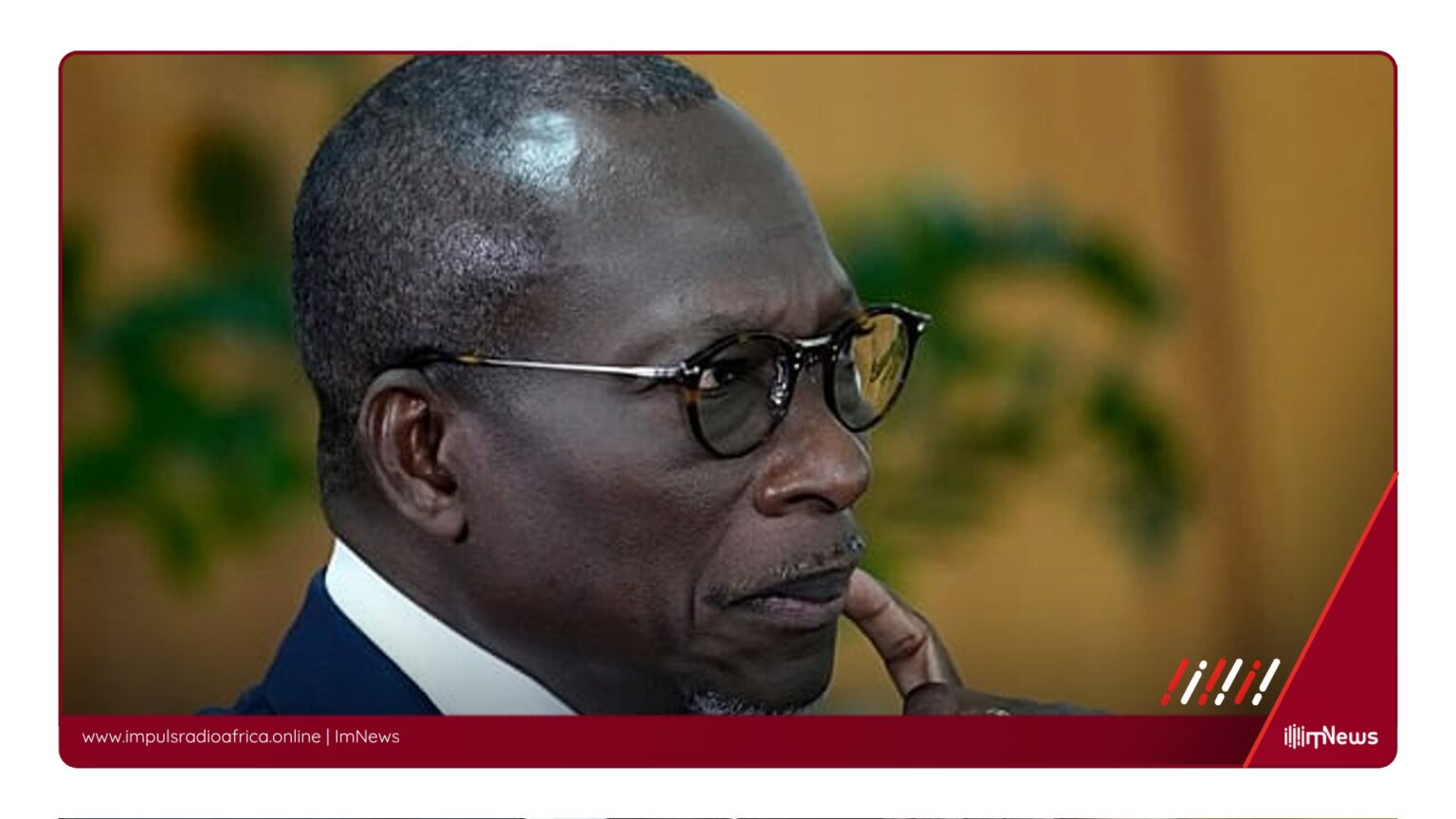
The small West African nation of Benin is at a critical juncture, as the counting of ballots for the presidential election commenced on Sunday. This election is not just a contest to succeed outgoing president Patrice Talon but also a pivotal moment that could either extend a decade of economic growth or test the country’s democratic stability.
Finance Minister Romuald Wadagni has emerged as the frontrunner, poised to take over from Talon, who is stepping down after serving two terms. However, the electoral process has not been without its challenges. Electoral commission chief Sacca Lafia reported that while voting was generally calm, civil society monitors noted around 100 incidents, including instances of ballot boxes being found full and polling stations opening prematurely.
Turnout seemed lower than expected, with several polling stations in the capital, Cotonou, witnessing a modest number of voters. Wadagni, who enjoys the backing of the ruling parties, is facing a subdued challenge from opposition candidate Paul Hounkpe. The absence of a candidate from the main opposition party has led to voter frustration and raised questions about political inclusiveness.
Under Talon’s leadership, Benin’s economy experienced a rapid expansion, with GDP doubling and infrastructure projects multiplying. Yet, the benefits of this growth have not been evenly distributed, with poverty remaining above 30 percent. Security concerns are also on the rise, particularly in the north where jihadist violence has been spreading.
Young voters like 30-year-old advisor Landry Sodogandji are calling for a stronger engagement with young people and improved social policies. “There’s progress, but more must be done, “Sodogandji said reflecting the broader demand for inclusion and cohesion. The next president will also inherit a new constitutional framework that extends terms to seven years, potentially shaping Benin’s political landscape until at least 2033.
Source: Africanews
Original author: Dominic Wabwireh