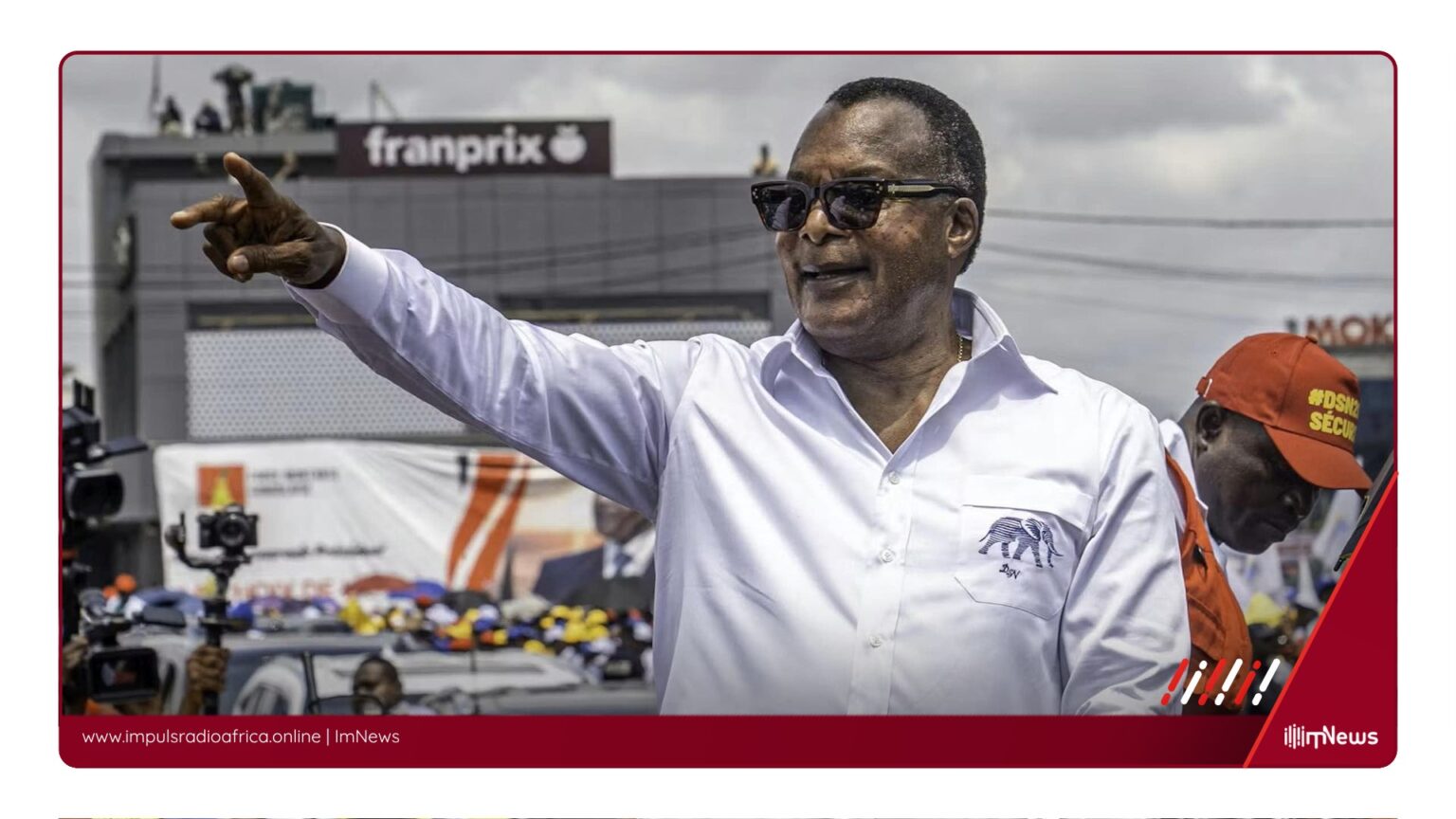
Kinshasa, DRC — President Denis Sassou Nguesso of Congo-Brazzaville has triumphed in the nation’s March 2026 presidential election, securing a fifth term with an official tally of 94. 82% of the vote. Yet, the victory comes amidst widespread skepticism and criticism due to electoral irregularities and significant opposition boycotts.
The election process was shadowed by major opposition parties’boycotts and a countrywide blackout of internet and phone networks, casting doubt on the legitimacy of Sassou Nguesso’s victory. Political scientist Ngodi Etanislas from Université Marien Ngouabi characterized the election as a “managed plebiscite, “with an official voter turnout rate of 84. 65%.
Despite the boycotts and visible empty polling stations, Sassou Nguesso’s campaign was characterized by a perceived lack of viable opposition.
The fractured opposition, some imprisoned or in exile, failed to unite behind a single candidate, further weakening the democratic process.
The government’s stance on the election stands in stark contrast to the criticism. Officials heralded the high voter turnout as evidence of Sassou Nguesso’s popularity and the nation’s stability.
However, international reactions were varied, with some countries congratulating Sassou Nguesso and emphasizing the strengthening bilateral ties, while civil society and opposition groups highlighted the “manufactured “outcome and growing dissent within Congo-Brazzaville.
The controversial election outcome is set to shape Congo — Brazzaville’s political landscape moving forward.
As the country grapples with challenges like high unemployment and widespread poverty, Sassou Nguesso’s leadership will be crucial in addressing these issues while maintaining political stability.
The future of electoral governance and the restoration of institutional credibility hang in the balance, raising questions about the nation’s democratic trajectory.
*Additional reporting by ImNews | Sources consulted: 5*
—
By This original article was produced by the ImNews editorial team