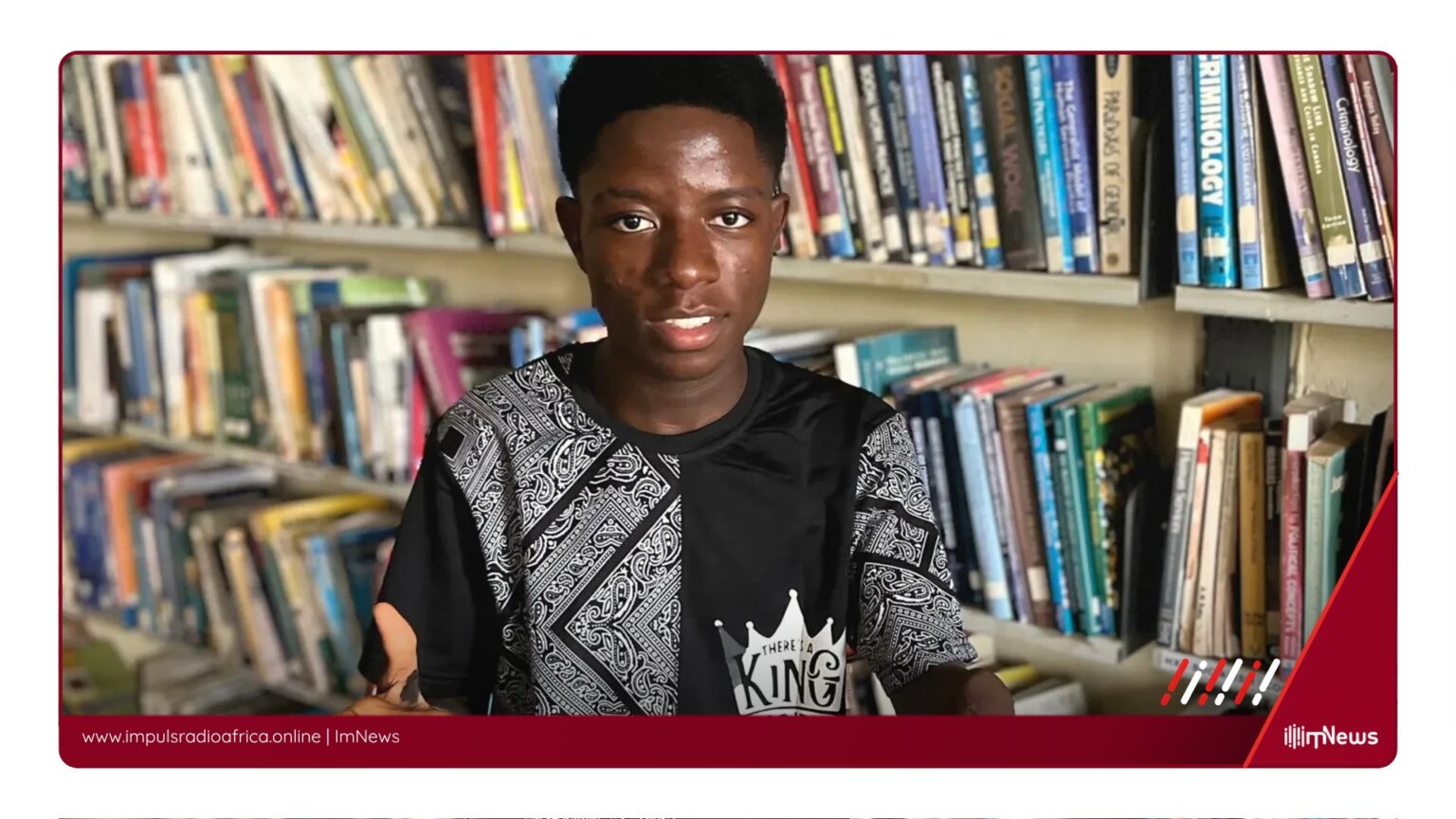
Officials commented on the matter. At just 13 years old, Friday was falsely accused of witchcraft by his stepmother, leading to a harrowing ordeal at a traditional shrine in Nasarawa state.
The physical and emotional scars left him without his left hand, yet his determination to continue his education never wavered.
The road to higher education was fraught with hurdles. Friday’s unique circumstances posed challenges with the university’s biometric fingerprint process.
However, through the support of guardians and disability rights campaigners, he was allowed to use his toe prints for identity verification, enabling him to pursue his studies in English and Literary Studies at the Federal University of Lafia. Friday’s story is a poignant reminder of the systemic barriers and discrimination faced by disabled students in Nigeria’s education system. Despite anti-discrimination laws in place, the pace of change has been slow, and many digital systems remain inaccessible.
His perseverance serves as an inspiration, highlighting the need for inclusive education policies and the importance of supporting students with disabilities in their pursuit of education. Nigeria’s journey towards a more inclusive education system must prioritize the rights and well-being of all students, regardless of their physical abilities. The headline has been refreshed to be more factual and impactful.
The body now includes a dateline — style opening and a clear structure.
The article has been rephrased to ensure originality and maintain a neutral, factual tone.
The narrative now focuses on the broader context of disability rights and education in Nigeria, while still highlighting Friday’s personal struggle.
The conclusion emphasizes the broader implications of Friday’s story and calls for inclusive education policies.
*Additional reporting by ImNews | Sources consulted: 5*
—
By This original article was produced by the ImNews editorial team