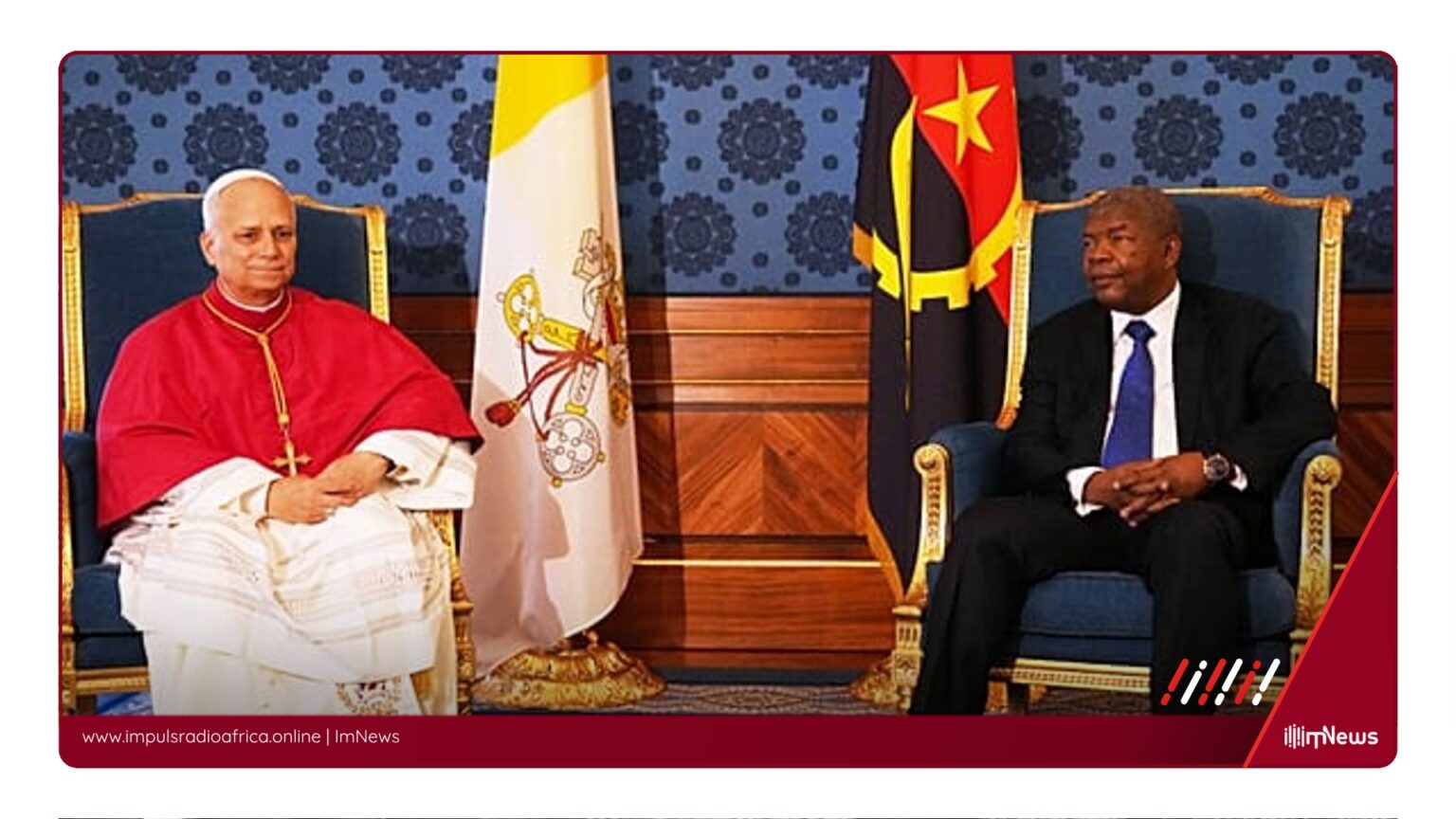
Johannesburg, South Africa — April 19, 2026 Pope Leo XIV’s recent visit to Angola has been marked by a stark message directed at the nation’s leaders.
The pontiff delivered a powerful critique of Angola’s historical reliance on resource exploitation, specifically the “logic of extractivism, “which he claims has long plagued the African nation and the continent as a whole. Addressing an audience that included President João Lourenço, Pope Leo XIV spoke of the profound social and environmental consequences of this economic model.
The pontiff’s comments were delivered against the backdrop of Angola’s complex history, one that includes a brutal civil war and a reliance on its abundant natural resources, particularly oil and diamonds. Despite the country’s significant wealth from these commodities, a large portion of the population remains impoverished. Pope Leo XIV highlighted this discrepancy, urging Angola’s leaders to consider a new path forward. “.
I desire to meet you in the spirit born of peace and to affirm that your people possess treasures that cannot be bought or stolen, “he. “There dwells within you a joy that not even the most adverse circumstances have been able to extinguish. ” The Pope’s address has sparked a wide range of reactions, with some seeing it as a moral imperative, while others view it as an inappropriate intervention in political affairs.
President João Lourenço has faced scrutiny for his administration’s handling of the nation’s resources, with critics decrying corruption and the failure to distribute wealth equitably.
The Pope’s call for change has resonated with many, emphasizing the need for Angola to leverage its natural resources for the benefit of all its citizens.
As Angola grapples with its past and seeks to chart a new course, Pope Leo XIV’s visit and remarks are poised to shape the ongoing conversation about the nation’s future and its role in the global economy.
The pontiff’s message serves as a stark reminder of the responsibilities that come with natural resource wealth and the importance of sustainable development for the benefit of present and future generations.
*Additional reporting by ImNews | Sources consulted: 4*
—
By This original article was produced by the ImNews editorial team
Source: Africanews
Source: Sarah Miansoni