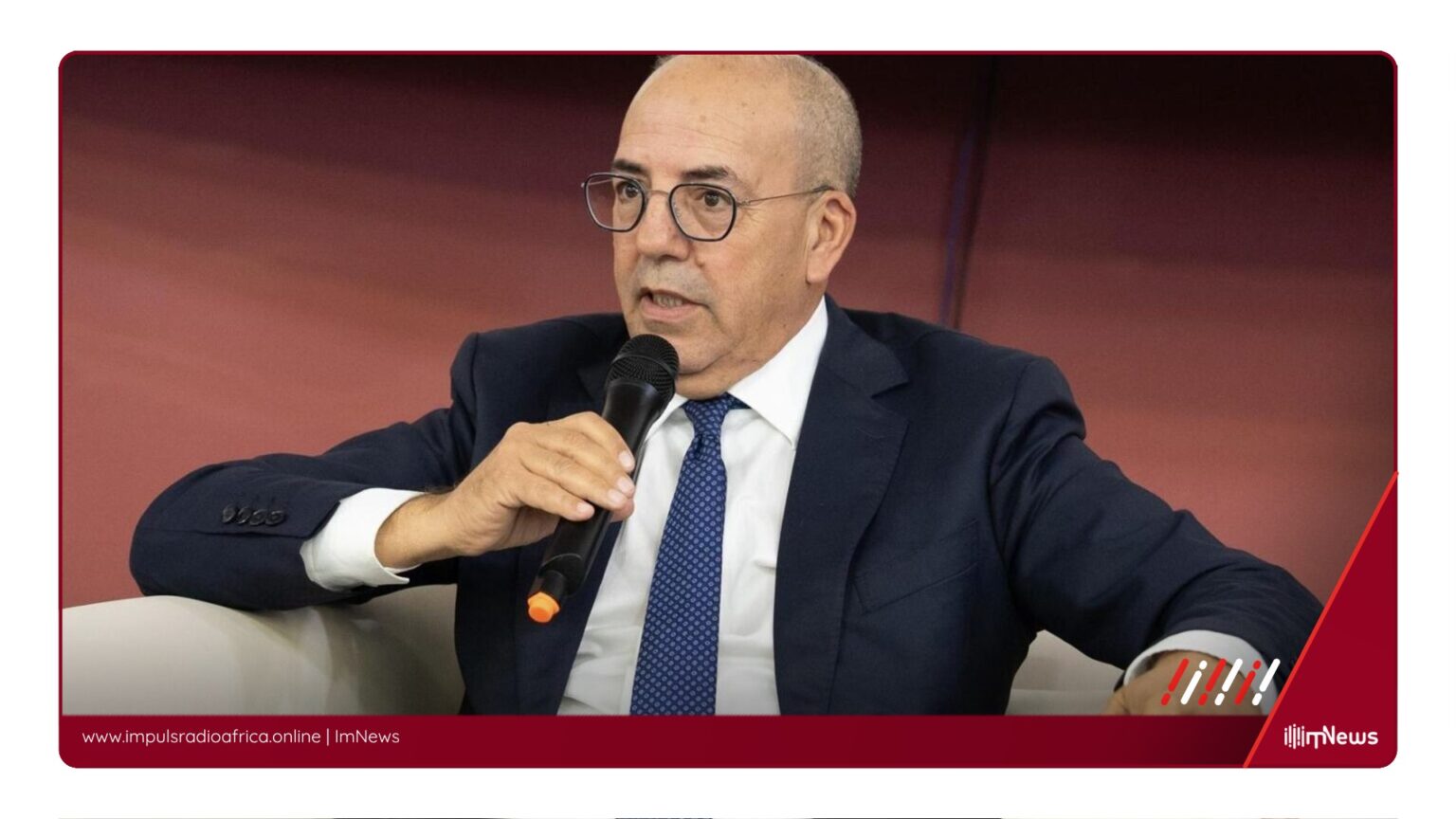
Financial Integration Initiatives Advance in Morocco’s Rural Economies. Rabat, Morocco – At the International Agriculture Fair in Meknes, Morocco’s agriculture minister underscored the strategic role of financial inclusion in bolstering rural economies, highlighting the government’s commitment to bridging economic divides and addressing the challenges of climate change and shifting economic landscapes. Minister Ahmed El Bouari, represented by the ministry’s financial director, Mohamed Ouhssain, emphasized the need for enhanced coordination between public and private entities to tailor solutions to rural communities.
The minister pointed out that special attention must be directed towards women and young farmers who often encounter greater hurdles in accessing finance.
The National Financial Inclusion Strategy (NFIS), a collaborative effort led by the agriculture and finance ministries and Bank Al-Maghrib, is at the forefront of these efforts.
The strategy seeks to broaden access to formal financial services, improve their quality, and encourage their usage among underserved populations, particularly small — scale farmers.
In its second phase, the NFIS is set to deepen its impact by focusing on the most vulnerable groups with targeted and innovative measures.
The strategy is complemented by a focus on financial education, digital service expansion, and the development of mobile payment solutions, aiming to improve access to inclusive agricultural insurance and tailored financing mechanisms.
The agriculture ministry has entered into a framework agreement with the Professional Association of Payment Institutions to foster innovative and inclusive payment solutions for rural areas. This collaboration is part of the broader objective to make financial services more accessible and resilient in the face of emerging challenges.
As the government pushes forward, it is doing so with the support of international partners, recognizing the significance of financial inclusion in fostering economic and social integration.
The initiatives in Morocco serve as a testament to the multifaceted approach required to strengthen rural economies and bridge the urban — rural divide.
The ongoing implementation of these strategies is expected to have a significant impact on the rural economy and the quality of life for Moroccan citizens, potentially serving as a model for other African nations facing similar challenges. Closing.
The emphasis on financial inclusion in Morocco’s rural economies is a crucial step towards sustainable development. With the right mix of policies and collaborative efforts, the nation aims to create a more equitable and resilient agricultural sector, ultimately benefiting its population and the broader African community.
*Additional reporting by ImNews | Sources consulted: 5*
—
This original article was produced by the ImNews editorial team
Source: moroccoworldnews
Source: Asmae Daoudi