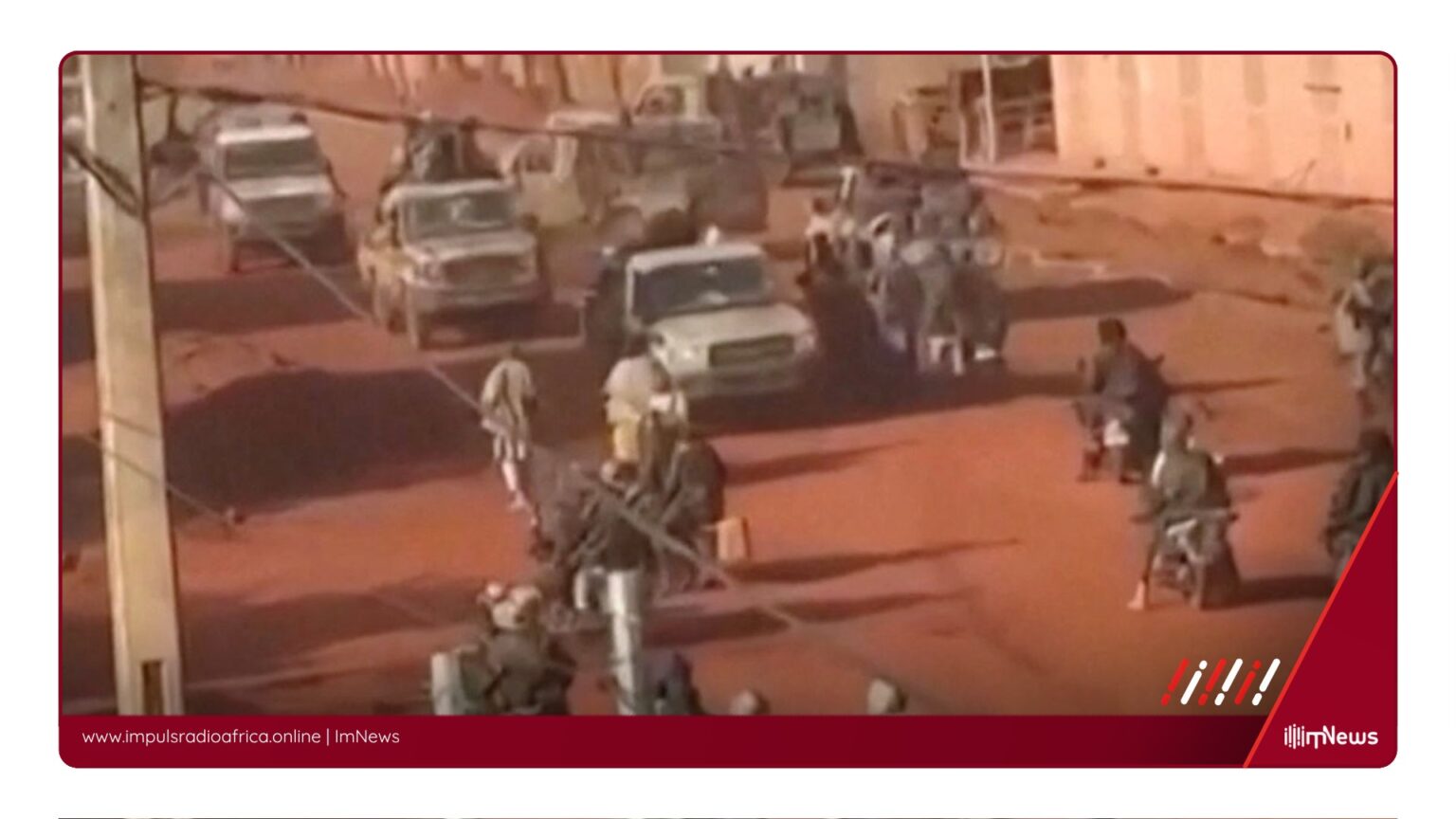
Mali’s Goita Meets Russian Envoy Amidst Rebel Attacks and Coup Rumors. BAMAKO, Mali – Mali’s military leader, Assimi Goita, has met with the Russian ambassador to Mali, signaling a deepening relationship between the country’s military government and Russia amidst a surge in rebel attacks and coup rumors.
The meeting, which was Goita’s first public appearance since the weekend’s rebel attacks that killed one of his ministers, comes as the situation in Mali remains tense.
The attacks, which involved jihadists and separatists, including an al — Qaeda-linked group and Tuareg separatists, have raised concerns about the government’s control over the nation and its security apparatus. Russia’s Ministry of Defence claimed on Tuesday that its paramilitary forces had helped prevent a coup during the attacks, inflicting significant losses on the attackers and maintaining control of key installations.
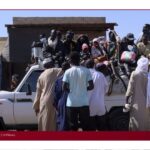
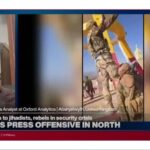
However, social media footage has emerged showing Russian mercenaries and Malian troops surrendering to the armed groups.
The scale and scope of the offensive, which targeted key installations across the country, have been deemed the largest jihadist attack in years.
The attacks have underscored the complex security challenges facing Mali and its neighbors, with the involvement of various armed groups with different agendas complicating efforts to restore peace and stability. Goita’s meeting with Russia’s ambassador, Igor Gromyko, is a clear indication of the military government’s reliance on Russian support.
The photos of the meeting, published by Goita’s office, are designed to show that the military government remains secure and that it will be able to maintain control with the help of the Russians.
The situation in Mali has been volatile since a coup in 2012, leading to a power vacuum and the rise of various armed groups. Mali has also been a battleground for various jihadist groups, including al-Qaeda in the Islamic Maghreb (AQIM) and the Islamic State in the Greater Sahara (ISGS). Russia’s increasing military presence in Mali has raised concerns about the potential for further escalation of conflict.
As Mali grapples with the aftermath of the attacks, the international community is closely monitoring the situation.
The United Nations has called for international solutions to curb the spread of violent extremism in the Sahel region, where Mali is located.
The Economic Community of West African States (ECOWAS) has strongly condemned the terrorist attacks in Mali, describing them as a threat to regional peace and stability.
The attacks have underscored the need for a comprehensive approach to addressing the root causes of the conflict and the challenges posed by various armed groups operating in the region.
The situation in Mali is a testament to the complexity of the challenges faced by countries in the Sahel region.
The international community must work together to support efforts to address the root causes of the conflict and to promote peace and stability in the region.
*Additional reporting by ImNews | Sources consulted: 5*
—
This original article was produced by the ImNews editorial team
Source: aljazeera
Source: Al Jazeera Staff, AFP and Reuters