
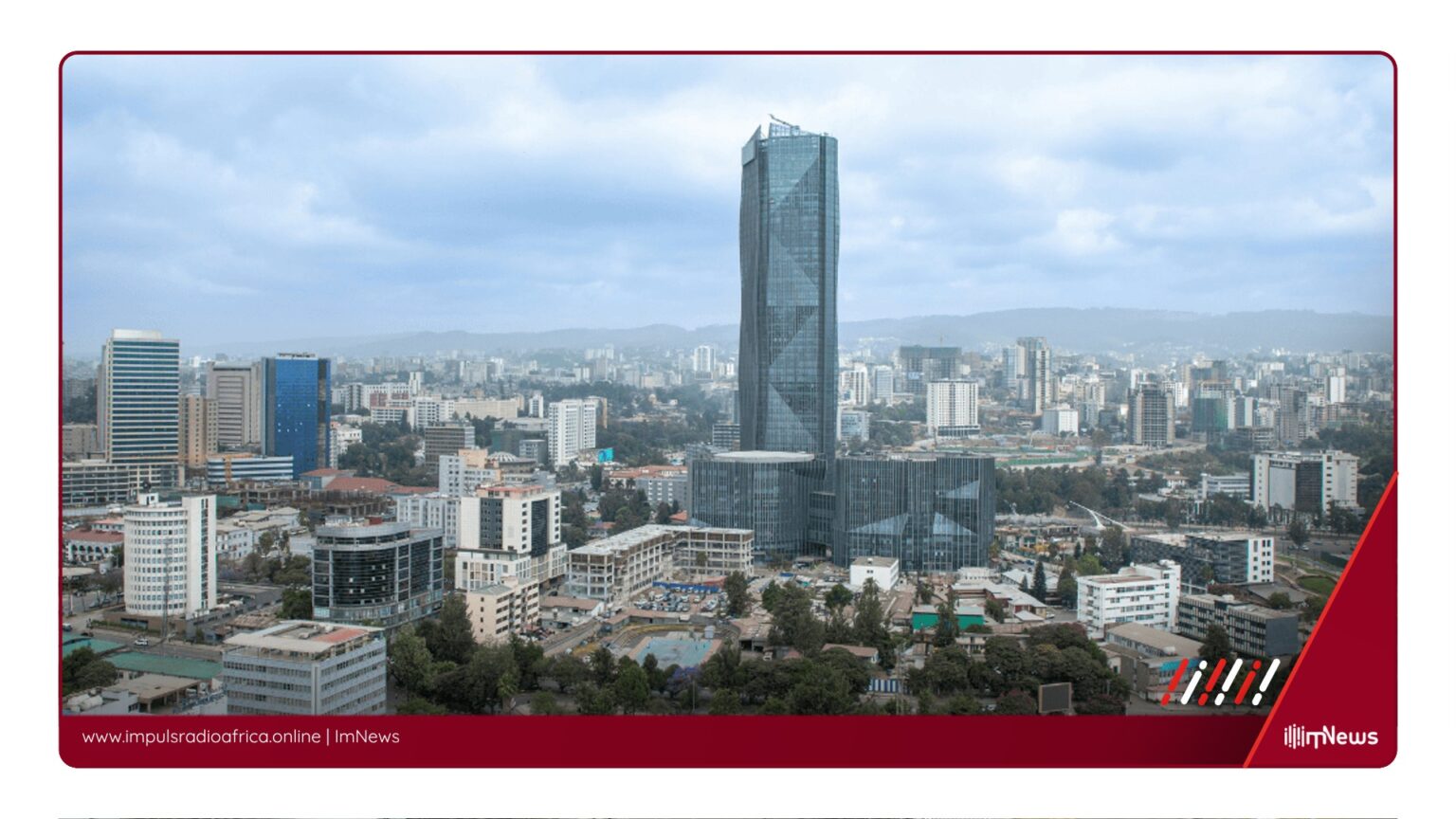
Africa’s Economic Engine: Exploring the Fastest-Growing Economies in 2026 Nairobi, Kenya – In a region not typically associated with rapid economic growth, Africa is witnessing a surge in prosperity, with several countries leading the charge in 2026. Despite geopolitical risks and high debt-service burdens, the continent’s economic outlook remains robust, with an average GDP growth rate projected between 4. 1% and 4.
3%. This article delves into the factors driving this growth and the challenges these nations face.
The World Bank and the International Monetary Fund (IMF) have both projected strong growth for Africa, though they emphasize the need for careful management of debt and inflation.
The African mining sector, particularly in Guinea and Zambia, is identified as a key driver of economic expansion.
However, rising fuel, food, and fertilizer prices, combined with tighter financial conditions, are expected to push inflation higher, posing a challenge to the region’s growth trajectory. Niger, Ethiopia, and Senegal stand out as the fastest-growing economies, with projections of growth rates exceeding 9%.
These countries are harnessing the power of increased investment in infrastructure, the rise of the digital economy, and a growing middle class to propel their economies forward.
In Niger, the government has been investing in agriculture and mining, sectors that have seen significant growth in recent years.
The country’s vast uranium deposits have made it a key player in the global mining industry.
Additionally, Niger has been diversifying its economy, with the agriculture sector experiencing growth due to favorable weather conditions and government initiatives. Ethiopia, Africa’s second-most populous country, is experiencing a similar trend.
The government’s focus on infrastructure development, particularly in the transport and energy sectors, has been instrumental in attracting foreign investment.
The country’s industrial parks are also contributing to economic growth, providing jobs and fostering innovation. Senegal, known for its stable political environment and strong governance, is another economic powerhouse.
The country has been successful in attracting foreign direct investment, particularly in the tourism and services sectors.
Senegal’s economic growth is also driven by its agricultural sector, which has been modernized through government support. While these countries are leading the charge, the region faces significant challenges.
The Middle East conflict has sent shockwaves through global commodity markets, leading to soaring energy and fertilizer prices.
This has had a direct impact on Africa, where rising fuel and food prices are expected to push inflation higher. This trend is expected to fuel inflation and slow growth across the region.
However, well — designed industrial policy is seen as a potential tool for African countries to expand priority sectors and capture growing demand for African goods.
As Africa’s economies continue to grow, the region must navigate the complex interplay of global events and internal challenges.
The countries at the forefront of this economic boom are doing so by leveraging their unique strengths and strategic investments.
However, the path to sustained growth remains fraught with risks, and the region must remain vigilant in managing these challenges.
In conclusion, Africa’s economic landscape is evolving, with several countries leading the charge in growth. Niger, Ethiopia, and Senegal are at the forefront, driven by factors such as infrastructure investment, the digital economy, and a growing middle class.
However, the region must remain cautious, as rising prices and geopolitical risks threaten to derail the economic momentum.
As Africa continues to grow, the world will be watching to see how these nations navigate the challenges ahead.
*Additional reporting by ImNews | Sources consulted: 5*
—
This original article was produced by the ImNews editorial team
Source: africa
Source: NG Editor