Economic Empowerment Urged as Key to Combating Gender — Based Violence in Cameroon.
YAOUNDE, Cameroon — Amidst a persistent challenge of gender-based violence (GBV), stakeholders in Cameroon are advocating for economic empowerment as a pivotal strategy to address the issue.
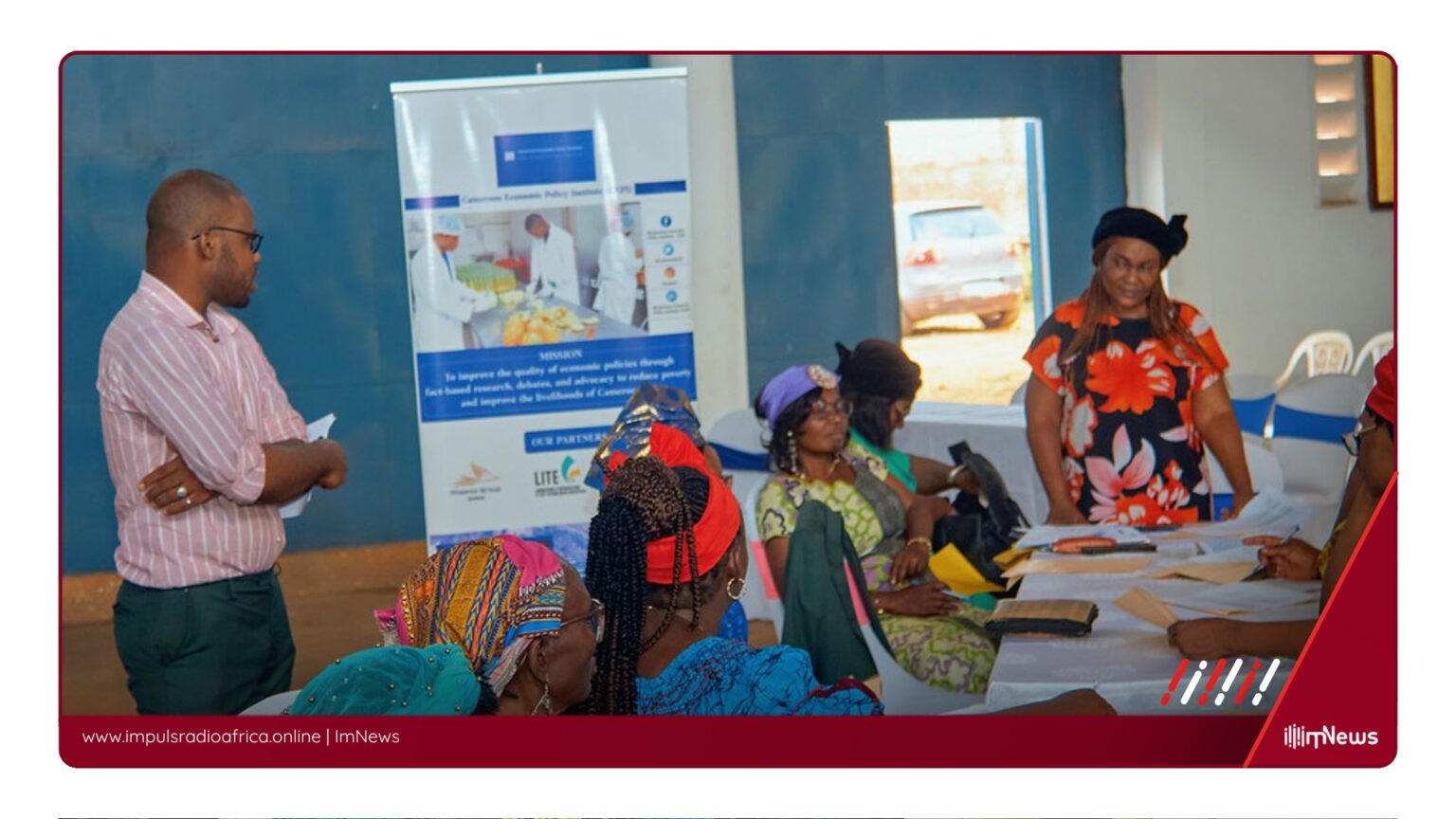
The Cameroon Economic Policy Institute (CEPI), under the Henri Kouam Foundation, recently organized a capacity-building workshop at the Apostolic Church, where women entrepreneurs from SMEs and the informal sector gathered to deepen their understanding of GBV and explore economic empowerment strategies.
Experts emphasize that GBV, encompassing domestic abuse, economic deprivation, and psychological harm, requires more than awareness campaigns. Instead, it demands the provision of tools, skills, and knowledge that enable women to achieve financial independence and assert their rights.
This is particularly relevant as women with entrepreneurial skills, financial resources, and knowledge of their rights are better positioned to protect themselves and make independent decisions.
Dr Egbe Fride, a research fellow at CEPI, highlighted the scale of GBV in Cameroon, noting that over half of married women experience intimate partner violence.
The workshop also touched on harmful traditional practices, including forced marriage and female genital mutilation, and the limited support services for survivors. Dr Fride emphasized the need for economic empowerment as a practical pathway to reducing GBV.
Henri Kouam, the founder of CEPI, pointed to the African Continental Free Trade Area (AfCFTA) as an opportunity for women entrepreneurs to expand their businesses across African markets.
He linked the AfCFTA’s protocol on women and youth in trade to AU Agenda 2063, emphasizing Cameroon’s commitment to women’s economic empowerment and youth employment.
The country’s Finance Law for 2026 allocates 50 billion CFA francs to support women’s economic empowerment and youth employment.
Despite women’s significant contributions to the Cameroonian economy, many remain excluded from formal value chains.
The workshop introduced tools like the African Trade Observatory to improve women’s access to cross-border trade and highlighted the importance of targeted training on export and import procedures.
Facilitators called for increased sensitization campaigns and policy support to ensure women benefit fully from AfCFTA opportunities. They also emphasized the need for sustained training programs to build women entrepreneurs’capacity and confidence.
The event, supported by Atlas Network and Ed Africa Group, underscores the vital role of initiatives like these in addressing the root causes of GBV and fostering inclusive economic development.
*Additional reporting by ImNews | Sources consulted: 5*
—
This original article was produced by the ImNews editorial team
Source: Panafricanvisions
Source: Pan African Visions