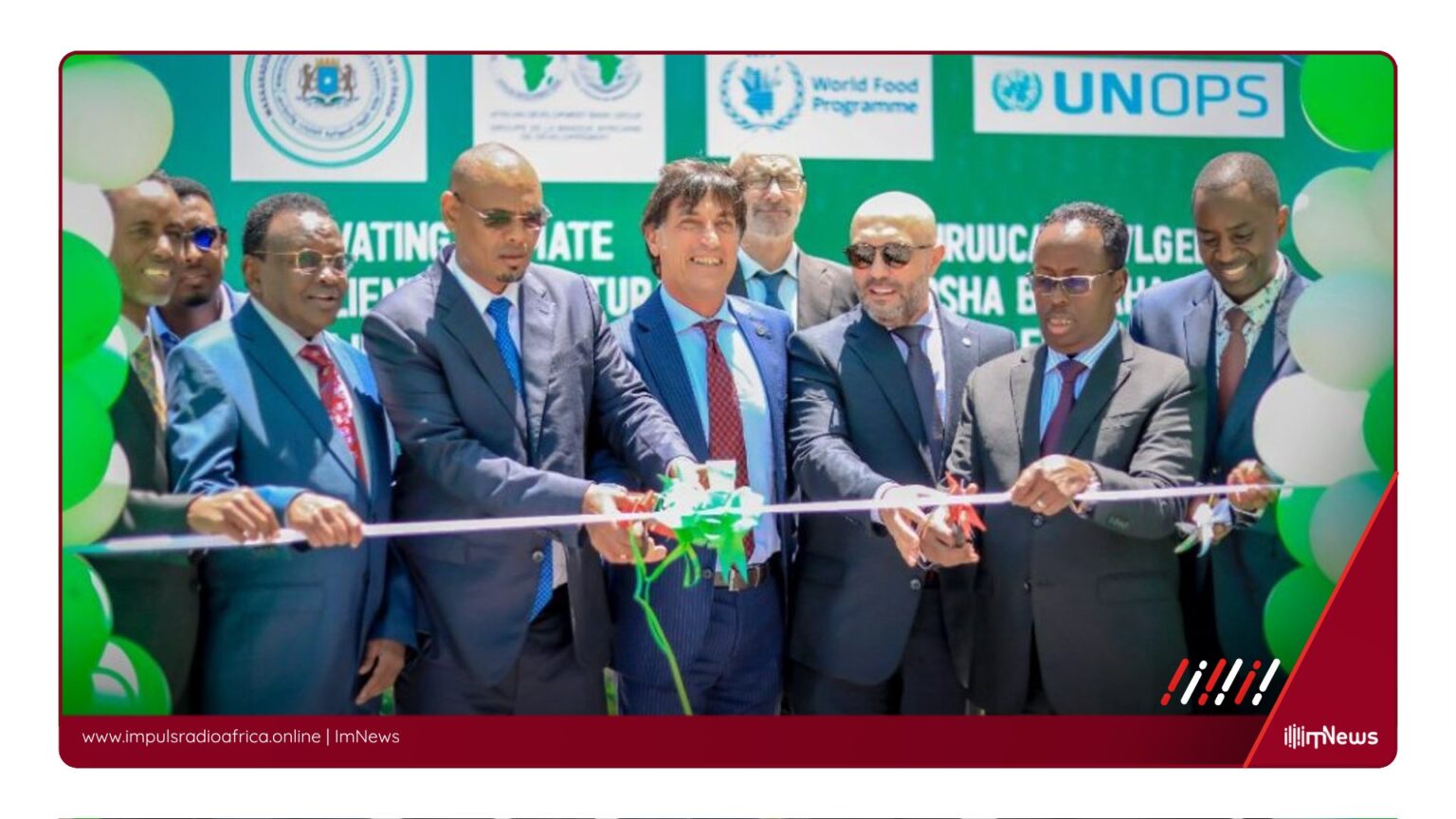
Officials commented on the matter. Funded by the African Development Fund (ADF) and implemented by the World Food Programme (WFP) in collaboration with the United Nations Office for Project Services (UNOPS), the project is a crucial step towards transforming local economies and enhancing the livelihoods of rural communities, particularly pastoralists and farmers.
The ACALS project, which received a $9.
63 million grant from the ADF, aims to directly benefit 180,000 people and indirectly impact another 300,000, including women, youth, and pastoral households.
The project’s comprehensive approach includes improved water access, climate-smart agriculture, and robust disaster preparedness measures. To complement this financial support, the WFP is contributing an additional $2.
2 million in-kind, further bolstering the project’s reach and sustainability.
The initiative is a direct response to Somalia’s ongoing humanitarian emergency, which has been exacerbated by persistent drought and below-average rains. These conditions have led to a severe food security crisis, threatening the livelihoods of millions.
The ACALS project is designed to address these challenges by building resilience among rural communities, particularly those in the Hirshabelle and Puntland states, which are most vulnerable to climate change impacts.
According to Pascal Sanginga, the Bank’s Agriculture Sector Manager for East Africa, the project is not just about immediate relief but about equipping communities to rebuild their livelihoods and face the future with confidence. Key components of the project include rehabilitating irrigation systems, restoring rangelands, providing climate data and early warning systems, and offering training on resilient seeds, soil health improvement, and reducing post-harvest losses.
The Environmental and Social Impact Assessment (ESIA) report for the ACALS project, co-led by the WFP Somalia and UNOPS, emphasizes the need to address climate vulnerabilities and improve infrastructure.
The project is expected to empower 250,000 vulnerable individuals, particularly women and youth, through restored agricultural systems, climate-adapted infrastructure, and anticipatory action.
The launch of the ACALS project marks a significant milestone in Somalia’s journey towards sustainable development.
It aligns with the country’s National Transformation Plan and various Sustainable Development Goals, focusing on sustainable water management, climate-smart agriculture, and empowering vulnerable communities, particularly women and youth.
As the project moves forward, it will be crucial to monitor its progress and ensure that the intended benefits are realized.
The ACALS project represents a new hope for Somalia’s rural communities, offering a glimmer of optimism amidst the challenges posed by climate change and food insecurity.
*Additional reporting by ImNews | Sources consulted: 5*
—
This original article was produced by the ImNews editorial team
Source: sonna.so
Source: Khadarow