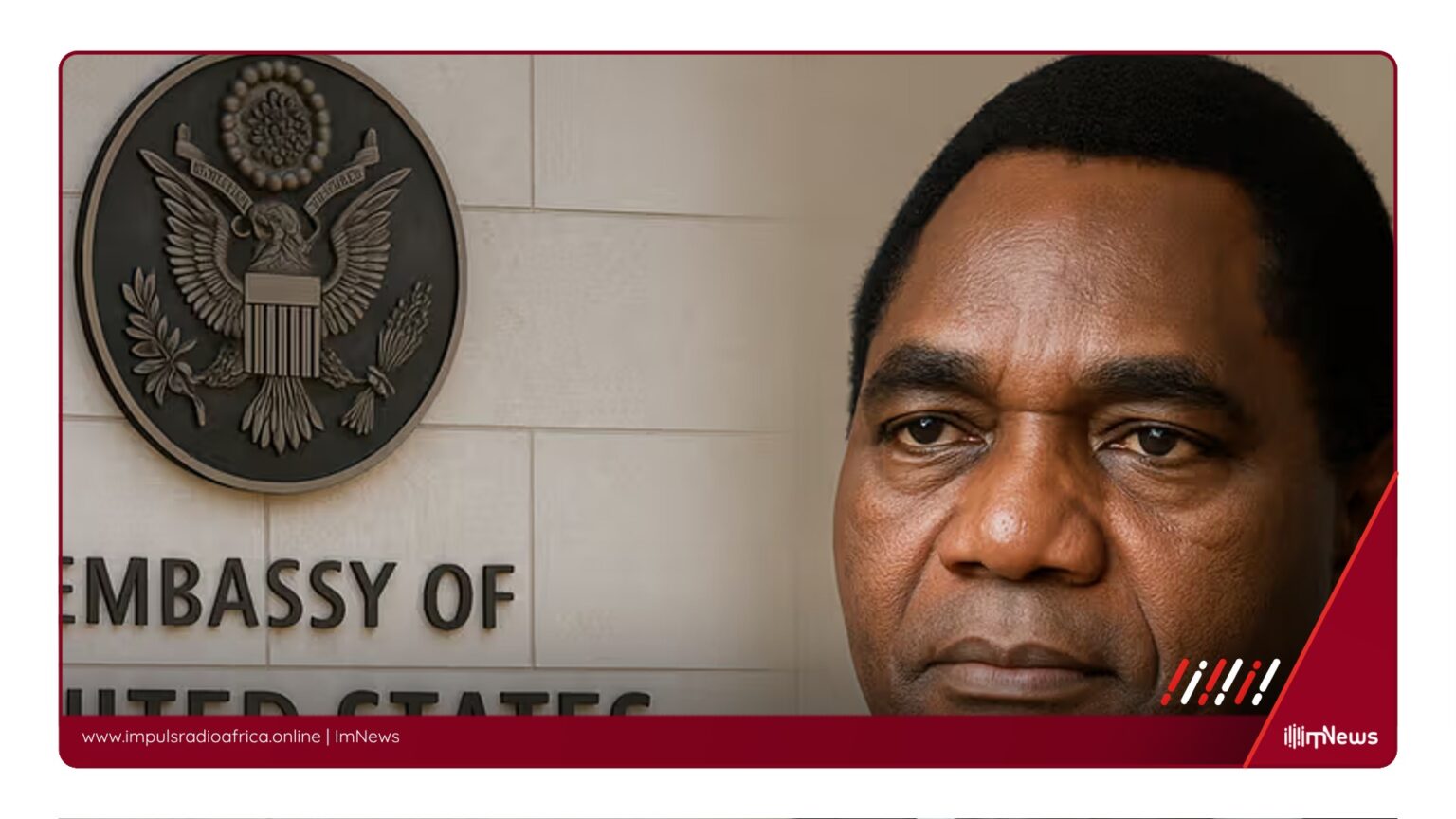
Zambia Demands Separation of Health Funding and Mineral Access Deals BODY: Lusaka, Zambia – In a significant stance that has caused a rift in negotiations with the United States, Zambia has rejected a U. S. Proposal that links health funding to access to its strategic minerals.
The Zambian government argues that health and mineral agreements should be negotiated separately, a move that has raised concerns about the sustainability of U. S. -funded health initiatives in Zambia.
The U. S. Had proposed a five-year health support package of up to $2 billion, contingent upon Zambia providing preferential access for American companies to the nation’s critical minerals such as copper, cobalt, and lithium, which are crucial for the global tech industry.
This condition, however, has been met with firm opposition from the Zambian government, which is concerned about data — sharing provisions that could infringe on the privacy rights of its citizens. Foreign Minister Mulambo Haimbe clarified that the U. S.
Deal would violate Zambians’rights due to the intrusive data-sharing provisions, indicating a steadfast commitment to national sovereignty.
The U. S.
As per the State Department, maintains that foreign aid is meant to serve U. S. National interests, with strategic resource access being part of those interests.
Yet, Zambia’s refusal highlights the complexities in balancing international aid and national priorities.
The standoff comes amid a broader reassessment of similar agreements across Africa as the U. S. Shifts its foreign aid strategy.
Neighboring countries such as Ghana and Zimbabwe have also expressed reservations about proposals involving data — sharing requirements, with Zimbabwe withdrawing from discussions on a separate $350 million health funding agreement due to sovereignty concerns. Zambia’s decision to prioritize its mineral resources and health funding autonomy has not only been a point of contention with the U. S.
But also a point of support among regional and international organizations.
The World Bank has highlighted Zambia’s significant potential in the global clean energy transition, suggesting that the country could benefit greatly from fostering regional cooperation.
The U. S. Has yet to publicly respond to Zambia’s decision, leaving the future of health aid and the global implications of Zambia’s mineral resources in question.
As Zambia asserts its independence in negotiations, the outcome of these discussions will likely have significant implications for the future of health aid in Africa and the global demand for critical minerals.
*Additional reporting by ImNews | Sources consulted: 5*
—
This original article was produced by the ImNews editorial team
Source: Africa.businessinsider
Source: Adekunle Agbetiloye