Nigeria’s Protection Crisis: A Tangled Web of Insecurity and Evacuations Lagos, Nigeria – The Nigerian landscape is mired in a complex crisis, as a confluence of economic, security, and social challenges intertwine, casting a shadow over the nation’s stability and its citizens’well-being.
In the past seven days, the country has grappled with the repercussions of these multifaceted issues, including the recent directive by the Nigerian Communications Commission (NCC) to compensate telecom customers for substandard service, the potential for a nationwide shutdown by organized labor, and the ongoing evacuation of Nigerian citizens from South Africa amidst anti-foreigner protests.
The Nigerian Crisis Response Plan (CRP) for 2026-2028, last updated on December 9, 2025, outlines a comprehensive approach to addressing the needs of over 600,000 people in need.
The plan, championed by the International Organization for Migration (IOM), aims to provide durable solutions for displaced populations and contribute to national development.
However, the implementation of such plans is fraught with challenges, as evidenced by the current situation on the ground. Nigerian telecom operators have begun compensating customers for poor network service, a move that follows the NCC’s directive for failing to meet quality standards between November 2025 and January 2026.
While this marks a rare moment of accountability in the telecom sector, the modest compensation amounts may not fully address the frustration of customers experiencing frequent service disruptions.
According to BusinessDay, subscribers of Airtel Nigeria began receiving SMS notifications confirming airtime credits, with amounts ranging from N167 to N295. Similarly, MTN Nigeria customers received compensation credits, with some as low as N20 and others over N600.
Amidst these developments, Nigeria’s organized labor has warned of a potential nationwide shutdown over increasing insecurity, deepening poverty, and rising economic hardship.
At the 2026 May Day celebration in Abuja, leaders of the Nigeria Labour Congress (NLC) and the Trade Union Congress (TUC) accused the government of failing to protect workers and ordinary citizens from hunger, violence, and economic distress.
The labor leaders’frustration is palpable, as they threaten a nationwide shutdown unless immediate action is taken to address the root causes of the crisis.
The Nigerian government is also facing the daunting task of evacuating over 130 citizens from South Africa amidst renewed anti-foreigner protests. This comes after President Bola Tinubu ordered heightened monitoring of the situation and reinforced protection for Nigerians abroad.
The evacuation plan, coordinated with Nigerian missions in the country, underscores the government’s commitment to safeguarding its citizens in the face of rising tensions.
However, the effectiveness of these evacuation plans and the conditions faced by returning citizens remain unanswered questions.
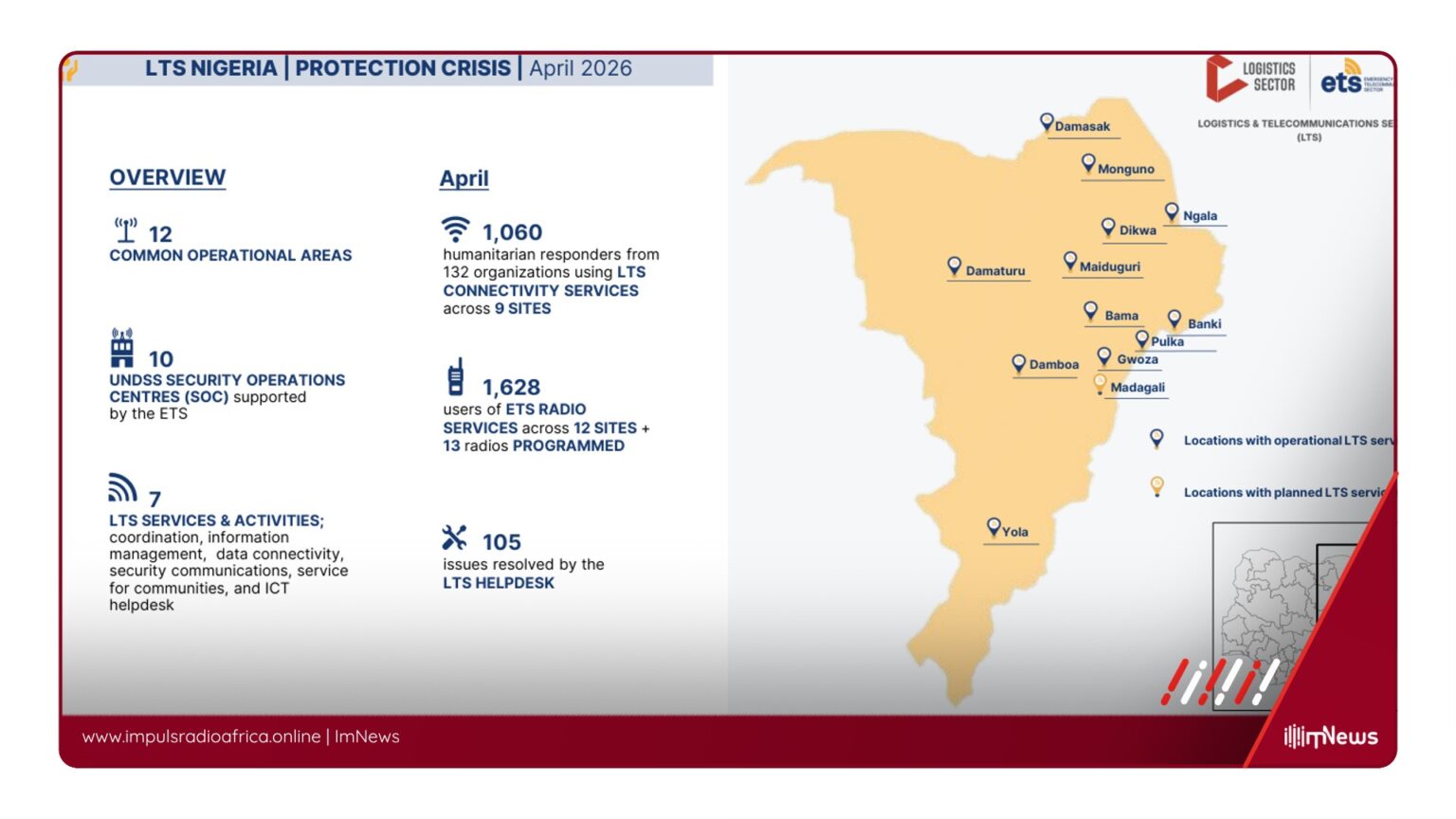
The Emergency Telecommunications Cluster (ETC) has been active in Nigeria since 2016, addressing communication gaps in emergencies.
The current situation highlights the importance of effective communication and coordination in times of crisis.
The ETC’s role in ensuring that displaced populations have access to vital information and services is crucial in providing relief and support to those in need.
The crisis in Nigeria is a microcosm of the broader challenges facing the African continent, including economic disparities, political instability, and security concerns.
As the situation unfolds, it is essential for stakeholders to work collaboratively to address the root causes of the crisis and provide sustainable solutions for the affected populations.
The Nigerian government’s efforts to provide humanitarian assistance, strengthen protection and resilience, and support sustainable recovery are commendable.
However, the path to stability and prosperity remains fraught with challenges.
The international community must continue to support Nigeria in its efforts to overcome these challenges and build a more secure and prosperous future for its citizens.
In conclusion, Nigeria’s protection crisis is a complex issue with far-reaching implications.
As the country grapples with economic, security, and social challenges, the need for a coordinated and collaborative approach to address the root causes of the crisis is more critical than ever.
The future of Nigeria and its citizens hinges on the ability to navigate these challenges and emerge stronger.
*Additional reporting by ImNews | Sources consulted: 5*
—
This original article was produced by the ImNews editorial team
Source: reliefweb
Source: Emergency Telecommunications Cluster