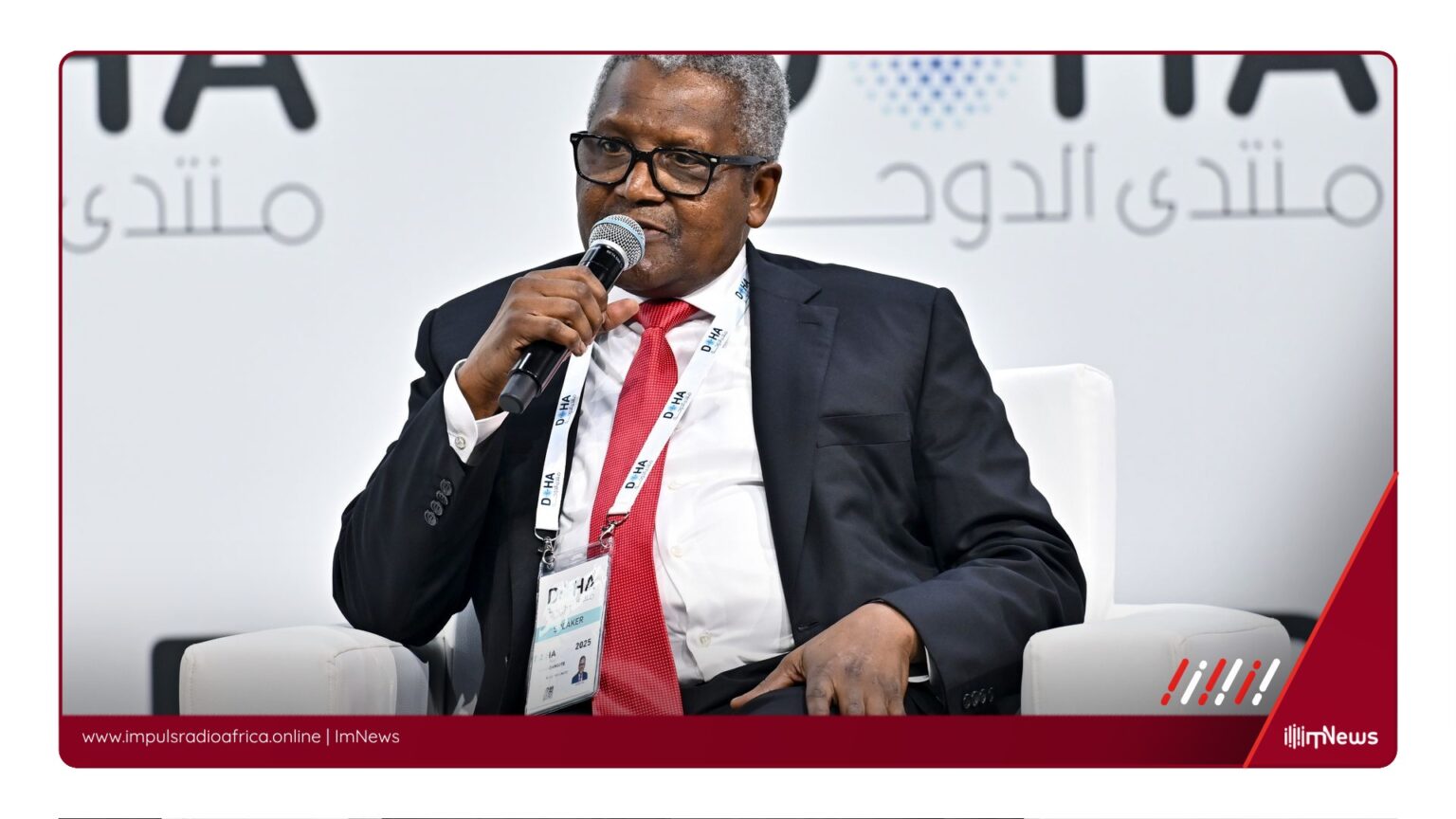
Nairobi, Kenya — Aliko Dangote’s Plan to Construct a $17 Billion Oil Refinery in Mombasa, Kenya, Underscores the Region’s Growing Energy Aspirations.
The proposed facility, modeled after Dangote’s existing Nigerian refinery, which is the world’s largest single-train refinery, aims to process 650,000 barrels of oil per day, a move that could dramatically cut East Africa’s reliance on imported fuel. Dangote’s initiative is not merely an economic endeavor but a strategic one. He emphasizes the need for robust anti-dumping protections to safeguard local refining operations from cheaper imported fuel, a challenge that has previously impacted his Nigerian refinery.
This stance underscores the broader issue of fuel dumping in Africa, where imported refined fuel, often at artificially low prices, undermines local industries.
The proposed Mombasa refinery, estimated to cost between $15 billion and $17 billion, is a testament to the continent’s industrialization push. Dangote advocates for Africa to shift from exporting raw materials to producing finished goods locally, with regulatory backing as a crucial factor in making this transition viable. While the project is still in the planning stages, it has already generated considerable excitement and optimism.
The decision to opt for Mombasa over Tanzania’s Tanga port, due to its strategic advantages, suggests a shift in regional strategy, with Kenya poised to become a key player in the energy sector.
The proposed project is also significant for its potential to create thousands of jobs and provide an economic boost to Kenya.
However, it also raises questions about the investment terms, local community impacts, and environmental considerations, underscoring the need for careful planning and responsible execution.
As East Africa looks to the future, Dangote’s proposed refinery in Mombasa represents a pivotal moment for the region’s energy security and economic development.
*Additional reporting by ImNews | Sources consulted: 5*
—
This original article was produced by the ImNews editorial team
Source: Africa.businessinsider
Source: Solomon Ekanem