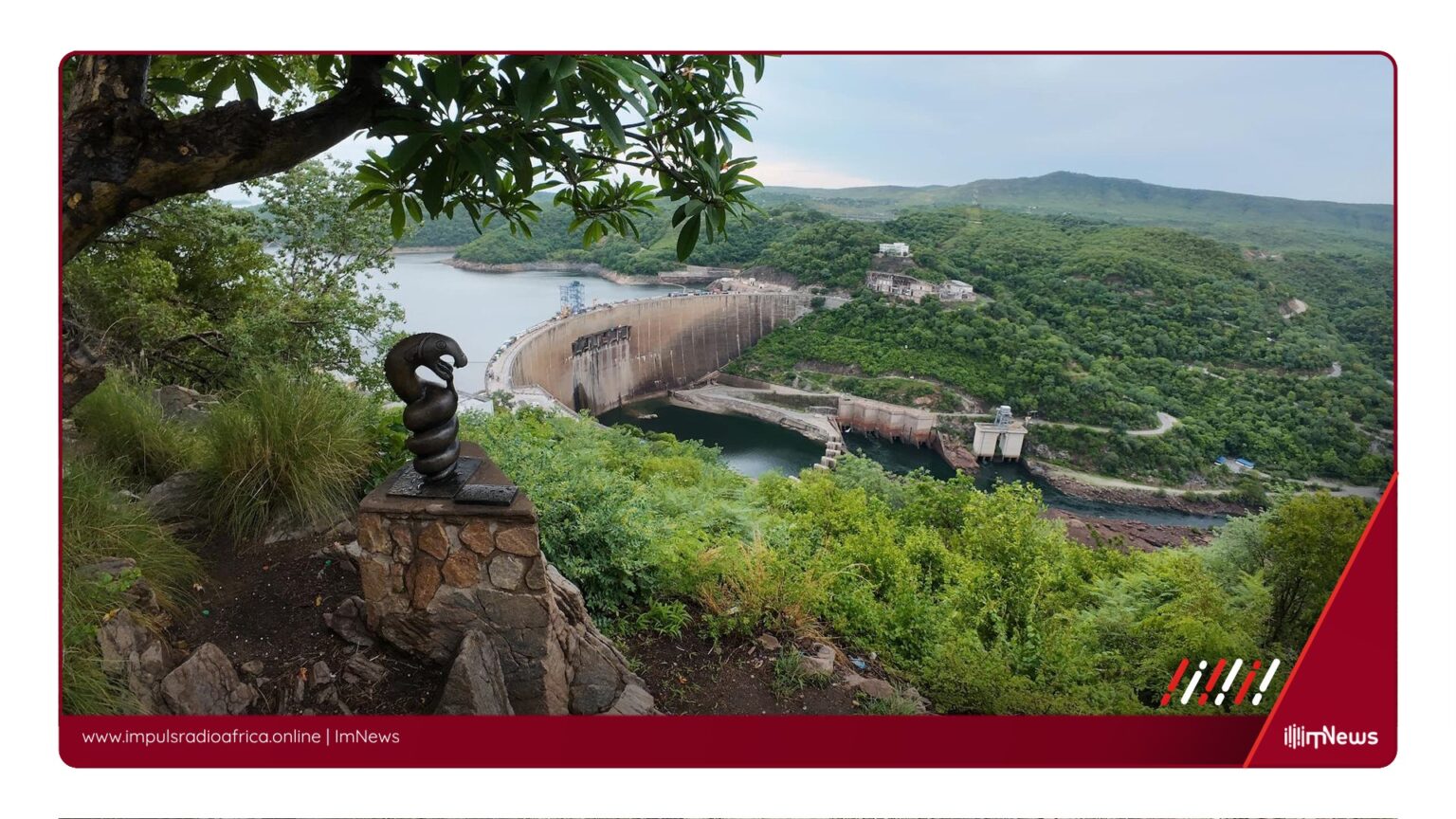
Article for Publication HEADLINE: Lake Kariba’s Water Levels Rise: A Revival of Hope for Zambia and Zimbabwe BODY: Harare, Zimbabwe – The world’s largest man-made lake by volume, Lake Kariba, has experienced a significant rise in water levels, offering a glimmer of hope for the communities in Zambia and Zimbabwe. This lake, situated on the border of the two countries, is a crucial source of hydroelectric power and sustains a range of economic activities, from fishing to tourism. After years of drought and power shortages, the resurgence of Lake Kariba, which was built in the 1950s to generate electricity, is a welcome development.
The prolonged drought conditions, including the El Niño event in 2024, led to a dramatic drop in water levels, reaching only 13% capacity in April 2024. This situation declared a national disaster in Zimbabwe, with devastating impacts on both people and wildlife. Since January 2025, consistent rainfall has led to a gradual rise in Lake Kariba’s water levels.
By early March 2026, the water levels had increased from 475. 77 meters to 476. 73 meters.
This rise is providing relief from power shortages and the potential for economic recovery.
The Kariba Dam, an architectural marvel completed in 1960, has been a crucial source of hydroelectric power for both Zambia and Zimbabwe. With a total installed capacity of 2,010 MW, turbines on both the north and south sides provide vital power.
The recent increase in water levels has allowed for a modest boost to hydropower generation capacity, offering limited but welcome relief for the region’s ongoing electricity supply challenges.
The resurgence of the lake has also brought optimism to the tourism and fishing industries in the region. Kariba Town, a popular resort destination perched on the hills above the massive Kariba Dam wall, is expected to attract more tourists, boosting the local economy.
However, experts are calling for the implementation of long — term strategies to manage water levels and mitigate the effects of future droughts. Joshua Matanzima, a historian and social scientist who grew up at Lake Kariba, emphasizes the need for sustainable water management and resilience in the face of challenging times.
As the region moves forward, the resurgence of Lake Kariba serves as a reminder of the importance of sustainable water management and the resilience of communities in the face of challenging times.
*Additional reporting by ImNews | Sources consulted: 5*
—
This original article was produced by the ImNews editorial team
Source: Joshua Matanzima