The Bundibugyo species of Ebola is responsible for the current epidemic, which poses a significant challenge as there is no vaccine or specific treatment available for it, and research on promising candidates is ongoing.
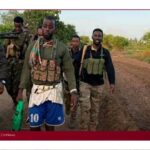
The epicentre of the outbreak lies in Ituri province, where nearly 5 million people are living in an environment of ongoing conflict.
The situation is further complicated by the high population density and trade movements in the area.
Amidst these challenges, 1 in 4 people are in need of humanitarian assistance, and 1 in 5 are internally displaced.
The situation has been made more difficult by the ongoing conflict in the region, which has impeded the efforts of health authorities to contain the spread of the virus.
On May 16th, a laboratory confirmed case was reported in Kinshasa, the capital city, among someone returning from Ituri, highlighting the potential for the virus to spread beyond the affected areas.
The WHO has emphasized the critical need for community engagement in the response to the outbreak. Only when communities are actively involved in the response efforts can such outbreaks be effectively controlled.
The organization is working closely with the governments of the DRC and other partners to strengthen surveillance, contact tracing, clinical preparedness, and management, as well as to deliver supplies and engage with local communities.
The current Ebola outbreak in the DRC is a stark reminder of the ongoing public health challenges that the continent faces.
The need for robust healthcare systems, efficient response mechanisms, and community engagement is more critical than ever.
The global community is watching closely as the situation unfolds in the DRC, hoping for a swift and effective response to this latest Ebola crisis.
*Additional reporting by ImNews | Sources consulted: 5*
—
This original article was produced by the ImNews editorial team
Source: Google News v2