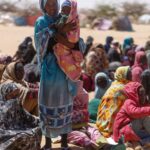
Sudanese Refugees in Chad Face Critical Challenges Amidst Rising Numbers DATELINE: Khartoum, Sudan – LEAD: Over 1. 2 million Sudanese refugees are facing dire challenges in Chad, with the number of arrivals at the new camp of Tine increasing to 46,000 since the end of April 2026.
The situation is part of a larger humanitarian crisis in the Sahel region, fueled by climate change, regional conflicts, and the chronic fragility of basic social services.
NUT GRAF: The influx of refugees is straining the resources of Chad, which already hosts 1,531,328 refugees, according to UNHCR data. Khartoum, Sudan – The crisis in Chad is a complex tapestry of intersecting factors, including the devastating effects of climate change, ongoing regional conflicts, mass population displacements, and the chronic fragility of basic social services.
This perfect storm has led to a major humanitarian crisis in the Sahel region, with Chad at the epicenter.
According to UNHCR data, as of May 18, 2026, Chad hosts a staggering 1,531,328 refugees.
The most recent arrivals are Sudanese refugees, with over 1. 2 million facing difficulties in Chad.
Since the end of April 2026, 46,000 individuals have arrived in the new camp of Tine, located approximately 180 kilometers north of Adré.
The IOM’s Chad Crisis Response Plan for 2025-2026 underscores the gravity of the situation.
The IOM’s vision for Chad is to provide immediate, life-saving assistance while facilitating access to diversified livelihoods, improved basic infrastructure, and meaningful participation in governance processes.
Africanews has highlighted the struggles of Sudanese refugees in Chad, reporting on the lack of food and shelter, and the challenges faced by humanitarian organizations in responding to the crisis. One Sudanese refugee, Moussa Mansour Issa, described the harsh realities they face: “The people of Chad have welcomed us, but we are confronted with many difficulties.
We have no food, except what they give us. “.
The government of Chad has acknowledged the challenges and is working to address them.
However, the scale of the crisis is immense, and the resources available are limited.
The crisis in Chad is not only a humanitarian emergency but also has broader implications for the region and the world.
The growing number of refugees is placing a significant strain on the resources of host countries, leading to increased tensions and potential conflicts.
The African Union and other international organizations are closely monitoring the situation and are working to provide support.
The situation in Chad underscores the need for a coordinated, regional approach to address the root causes of the crisis, including climate change and regional conflicts.
It also highlights the importance of international solidarity and support for host countries, which are bearing the brunt of the crisis. KICKER: As the situation in Chad continues to evolve, the need for immediate and sustained support from the international community remains critical.
The success of the IOM’s Chad Crisis Response Plan and the overall stability of the region depend on the collective efforts of all stakeholders.
*Additional reporting by ImNews | Sources consulted: 5*
—
This original article was produced by the ImNews editorial team
Source: reliefweb
Source: UN High Commissioner for Refugees