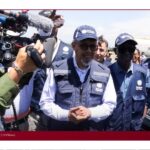
Kinshasa, DRC — WHO Director-General Visits Ebola Outbreak Epicenter Kinshasa, DRC – The World Health Organization (WHO) Director-General, Tedros Adhanom Ghebreyesus, visited Bunia, the provincial capital of Ituri Province in the Democratic Republic of the Congo (DRC), on Saturday, May 30, 2026.
The visit comes amidst a severe Ebola outbreak centered in Ituri province, with at least 1,077 suspected cases and 246 deaths reported as of the latest information available.
The current outbreak is driven by the Bundibugyo variant of the Ebola virus, which has no approved treatment or vaccine.
The WHO has warned that the actual spread of the disease could be much larger than the reported figures, highlighting the urgency of the situation.
The visit to Bunia follows meetings with Congolese officials in the country’s capital, Kinshasa. During his trip, Tedros emphasized the challenges posed by the ongoing conflict and insecurity in the region. “.
We cannot build community trust or isolate the sick while bombs are falling, “he stated, acknowledging the difficulties in responding to the outbreak in an environment of violence and displacement.
The situation in Ituri province is further complicated by the presence of large refugee communities and cross — border trade flows, which facilitate the spread of the virus.
The outbreak is also exacerbating existing humanitarian crises, with reports indicating that the virus is spreading through family clusters and health facilities, linked to caregiving, family gatherings, and unsafe funeral practices.
The WHO’s visit to the epicenter of the outbreak aims to provide support and coordinate the international response. Officials commented on the matter.
In addition to the WHO, other international organizations are also involved in the response efforts.
The UN Children’s Fund (UNICEF) has reported that the virus is spreading rapidly, and that the situation is being compounded by a lack of healthcare workers and resources.
The current Ebola outbreak in the DRC is the country’s 17th since the virus was first identified in 1976.
The Bundibugyo strain of Ebola, first identified in Uganda in 2007, has been responsible for this particular outbreak, which has presented unique challenges due to its rapid spread and lack of an approved vaccine or treatment.
The international community is actively involved in the response efforts, with the WHO declaring the outbreak a Public Health Emergency of International Concern (PHEIC) on May 17, 2026. This designation calls for international coordination and cooperation to address the crisis.
As the outbreak continues to evolve, the WHO and other partners are working to contain the spread of the virus, provide care for those affected, and build community trust in the response efforts.
The challenges ahead are significant, but the international community remains committed to supporting the DRC in its efforts to end this outbreak.
*Additional reporting by ImNews | Sources consulted: 5*
—
This original article was produced by the ImNews editorial team
Source: france24 – Africa
Source: FRANCE 24