NIGER: CROSSROADS OF MIGRATORY PATHS – CHALLENGES AND RESPONSES IN THE SAHEL REGION Niamey, Niger — Niger, a pivotal transit point for migrants traversing the Sahel, has witnessed a surge in migratory traffic in recent years, driven by factors such as conflict, insecurity, and climatic changes. This influx has strained the country’s resources and infrastructure, presenting formidable challenges in managing the arrival of a large number of individuals seeking refuge or passage.
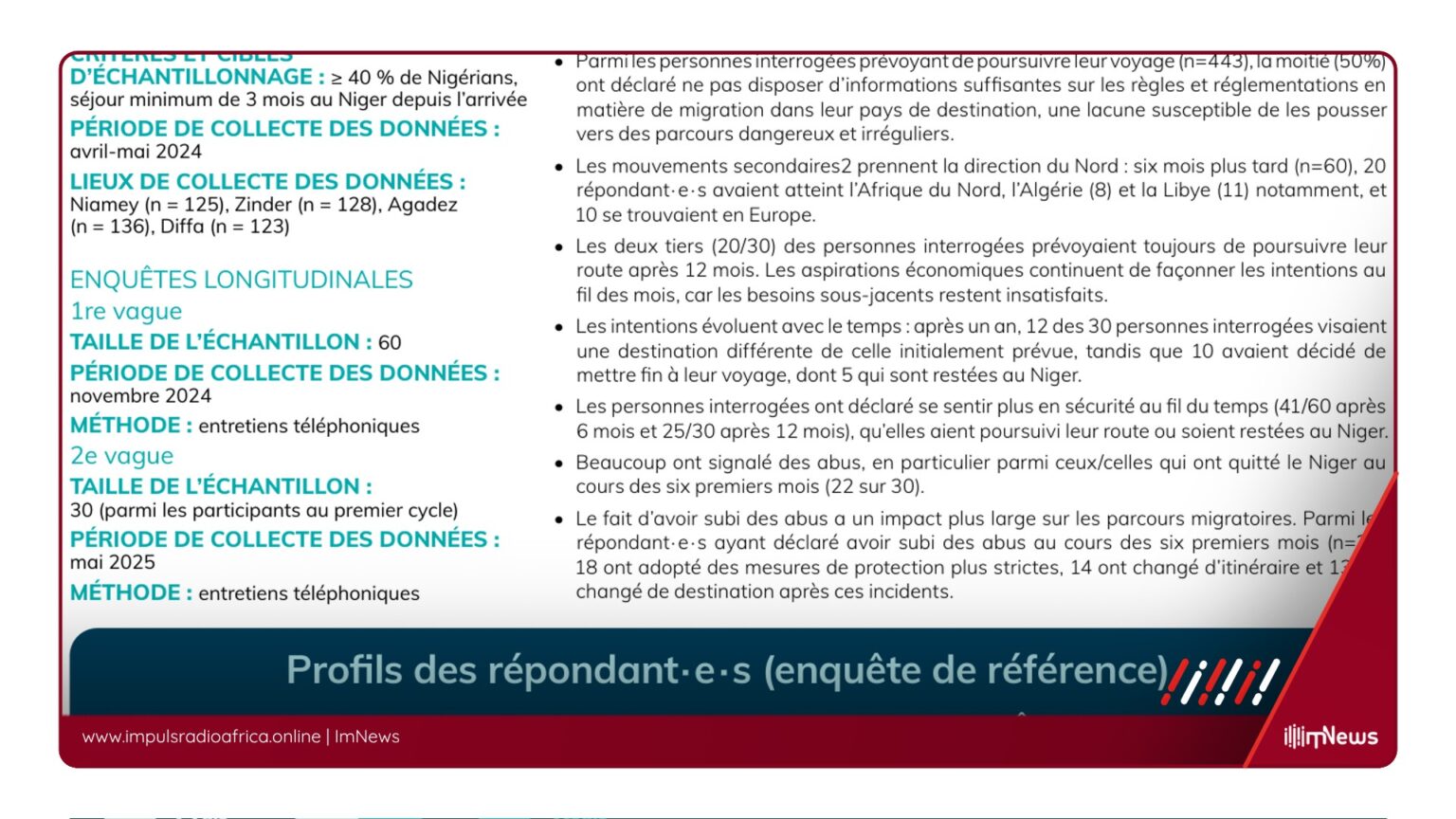
A staggering 87% of individuals interviewed initially intended to continue their journey beyond Niger, according to research conducted by the Mixed Migration Centre.
This highlights the country’s status as a crucial junction in the migratory routes, with many considering Niger merely a stopover. This financial commitment is aimed at addressing the multifaceted challenges posed by the increased migratory traffic.
The International Organization for Migration (IOM) has recorded over 4.
3 million movements in Niger in 2025, marking a 15% increase in migratory traffic compared to previous years. This surge underscores the need for effective strategies to manage and support the influx of migrants.
The International Rescue Committee (IRC), active in Niger, is dedicated to providing immigration legal services and support to clients affected by conflict and disaster.
The organization’s focus is on helping people whose lives and livelihoods have been shattered to survive, recover, and regain control of their future.
The situation in Niger is multifaceted, with some sources emphasizing the challenges of managing the increased migratory traffic, while others focus on the necessity of legal services and support for affected individuals. “What specific measures are being taken by the Niger government and international organizations to address the challenges posed by the increased migratory traffic? “.
and “How are the local communities in Niger being affected by the presence of a large number of migrants, and what support are they receiving? “
are some of the critical questions that remain unanswered, but the efforts of organizations like the IOM and the IRC provide a glimpse into the ongoing response.
The IOM envisions a Niger where migration is safe, orderly, and contributes to stability and development, aiming to protect and empower people affected by crisis.
Their approach involves supporting effective, rights — based migration governance and investing in social cohesion to transform migration into a driver of recovery and opportunity.
The International Rescue Committee, on the other hand, is dedicated to helping individuals recover from conflict and disaster. Their focus on legal services and support for affected individuals is a testament to the comprehensive approach required to address the complexities of migration in Niger.
Despite the challenges, there is a sense of urgency among organizations working in Niger to address the issues of migratory traffic.
The complexity of the situation requires a multifaceted approach, involving not just immediate support for individuals in transit, but also long — term strategies for integrating migrants into the local economy and society.
As the world continues to grapple with the challenges of migration, Niger stands as a critical example of the complexities and the necessity for a coordinated response that balances the rights of individuals with the needs of the host communities.
The journey through Niger is a microcosm of the broader global migration narrative, highlighting the need for comprehensive solutions that are both compassionate and sustainable.
*Additional reporting by ImNews | Sources consulted: 5*
—
This original article was produced by the ImNews editorial team
Source: reliefweb
Source: Mixed Migration Centre