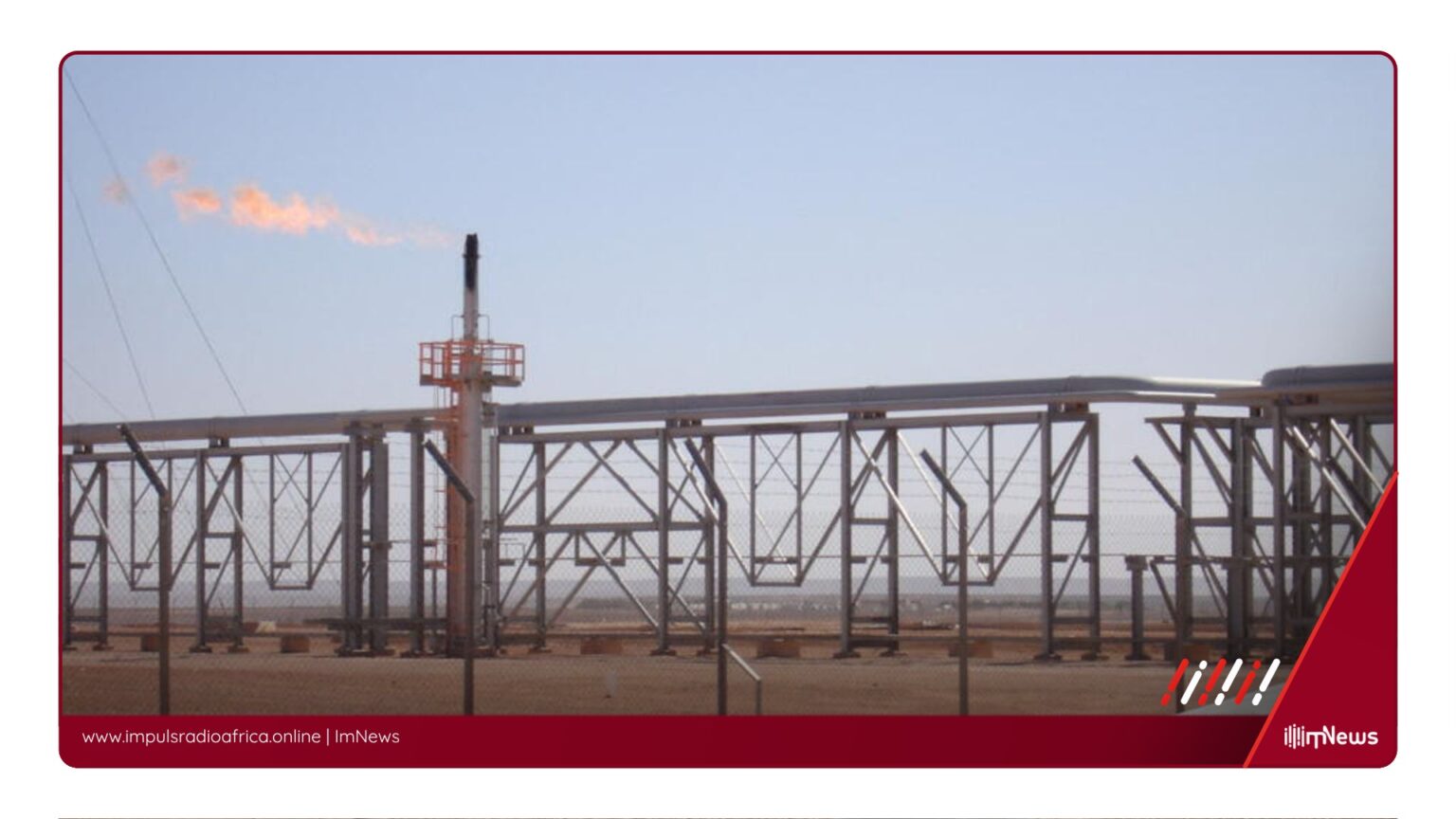
The Trans — Saharan Gas Pipeline (TSGP), a project with a storied history, has seen a new chapter unfold as construction efforts restarted in early June, signaling a thawing of relations between Niger and Algeria. This ambitious megaproject, linking Nigeria with its neighbors, is set to transform the regional and global energy landscape. Stretching over 4,000 kilometers, the TSGP is designed to transport Nigerian gas through Niger and Algeria, with the potential to reach European markets via Italy and Spain.
Brahim Oumansour, an associate researcher at the Institute for International and Strategic Relations (IRIS), highlighted the project’s strategic significance, noting that Algeria and Niger have chosen to unite for a common goal within a favorable geopolitical context. Since the 1980s, the idea of a pipeline connecting Algeria and Europe has been in the pipeline, but its development has been fraught with challenges.
A deal was first signed in 2009, with the initial target of gas delivery set for 2015.
However, delays ensued, partly due to financial constraints and diplomatic tensions, notably the 2003 coup d’état in Niger. This year, a memorandum of understanding was signed in Algiers, reigniting the project. Algeria, the leading producer of natural gas in Africa, and Nigeria, with the continent’s largest untapped reserves, together account for over half of Africa’s natural gas production and reserves.
The TSGP, known as the “project of the century “in Africa, is set to connect these two powerhouses, beginning in Nigeria’s Warri City and ending in Algeria’s Hassi R’Mel in the Sahara.
The project faces significant challenges, including an increased construction cost of around $20 billion, up from the initial $13 billion estimate. Despite these obstacles, the pipeline’s completion by 2029 is still targeted, with Nigeria scheduled to start construction on its portion in early 2027.
The TSGP will transport approximately 30 billion cubic meters of natural gas annually from Nigeria to Europe, representing about 11 percent of Europe’s annual imports. Algeria aims to use this partnership to bolster its position as a reliable energy partner for Europe, while Niger seeks to leverage transit rights to attract investments and create jobs.
*Additional reporting by ImNews | Sources consulted: 5*
—
This original article was produced by the ImNews editorial team
Source: france24 – Africa
Source: David RICH