

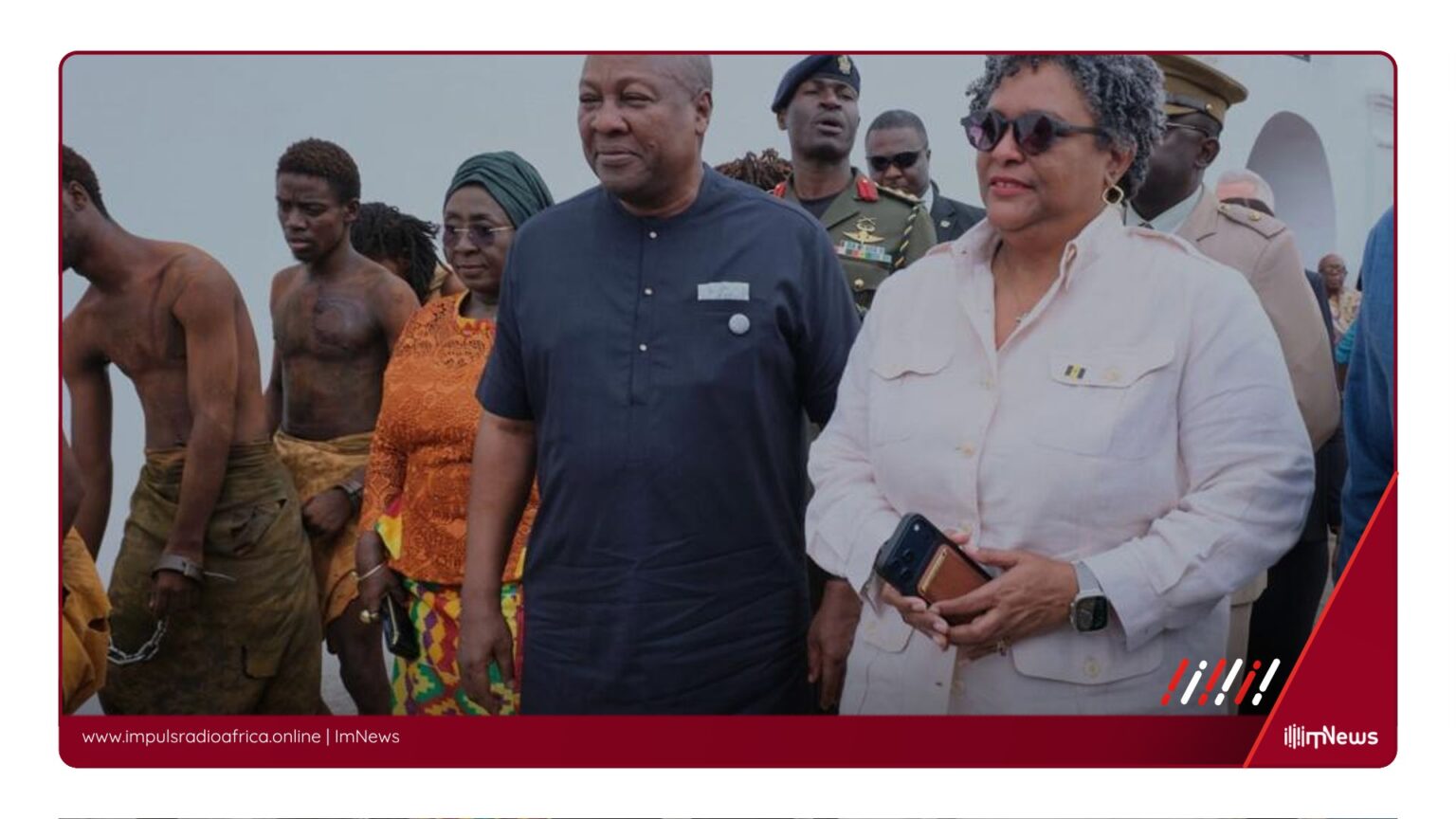
African and Caribbean Nations Unite for Slavery Reparations at Ghana Summit BODY: Accra, Ghana – June 20, 2026 – A historic conference in Ghana has marked a significant step towards justice and reconciliation for the transatlantic slave trade.
The High — Level Consultative Conference on the Next Steps for UN Resolution A/RES/80/250, held in Accra on June 18, 2026, brought together African Union member states, CARICOM and CELAC governments, the African diaspora, UN agencies, and international partners.
The summit resulted in the adoption of a shared roadmap for reparatory justice, a milestone in the ongoing fight for reparations. Hosted by Ghana’s President John Dramani Mahama, the conference aimed to advance the cause of justice and payment of reparations for slavery, following a landmark UN resolution earlier in March that recognized transatlantic slavery as the “gravest crime against humanity “and urged UN member states to contribute to a reparations fund. African and Caribbean nations demanded formal apologies from countries that benefited from the transatlantic slave trade, as well as debt relief and financial compensation.
The three — day conference produced a 19-point plan, including comprehensive debt relief, the restitution of looted cultural property, and the establishment of a global reparations fund.
The plan also addresses the disproportionate impact of slavery on African women and girls.
The conference has been hailed as a significant milestone by participants, with many noting the newfound momentum it has provided to the reparations movement. “We are putting an end to fragmentation, “said a representative from the African diaspora. “From now on, we are presenting a united front. “.
The adoption of the roadmap is expected to bolster the reparations campaign on both sides of the Atlantic, providing a framework for future negotiations and actions. It also serves as a call to action for UN member states to fulfill their obligations under the UN resolution.
The Accra summit has reignited the global conversation on reparations, highlighting the enduring legacy of the transatlantic slave trade and the need for a collective response to its impact.
As the roadmap is implemented, the world will be watching to see how this historic moment translates into tangible progress for those affected by slavery.
*Additional reporting by ImNews | Sources consulted: 5*
—
This original article was produced by the ImNews editorial team
Source: rfi
Source: RFI