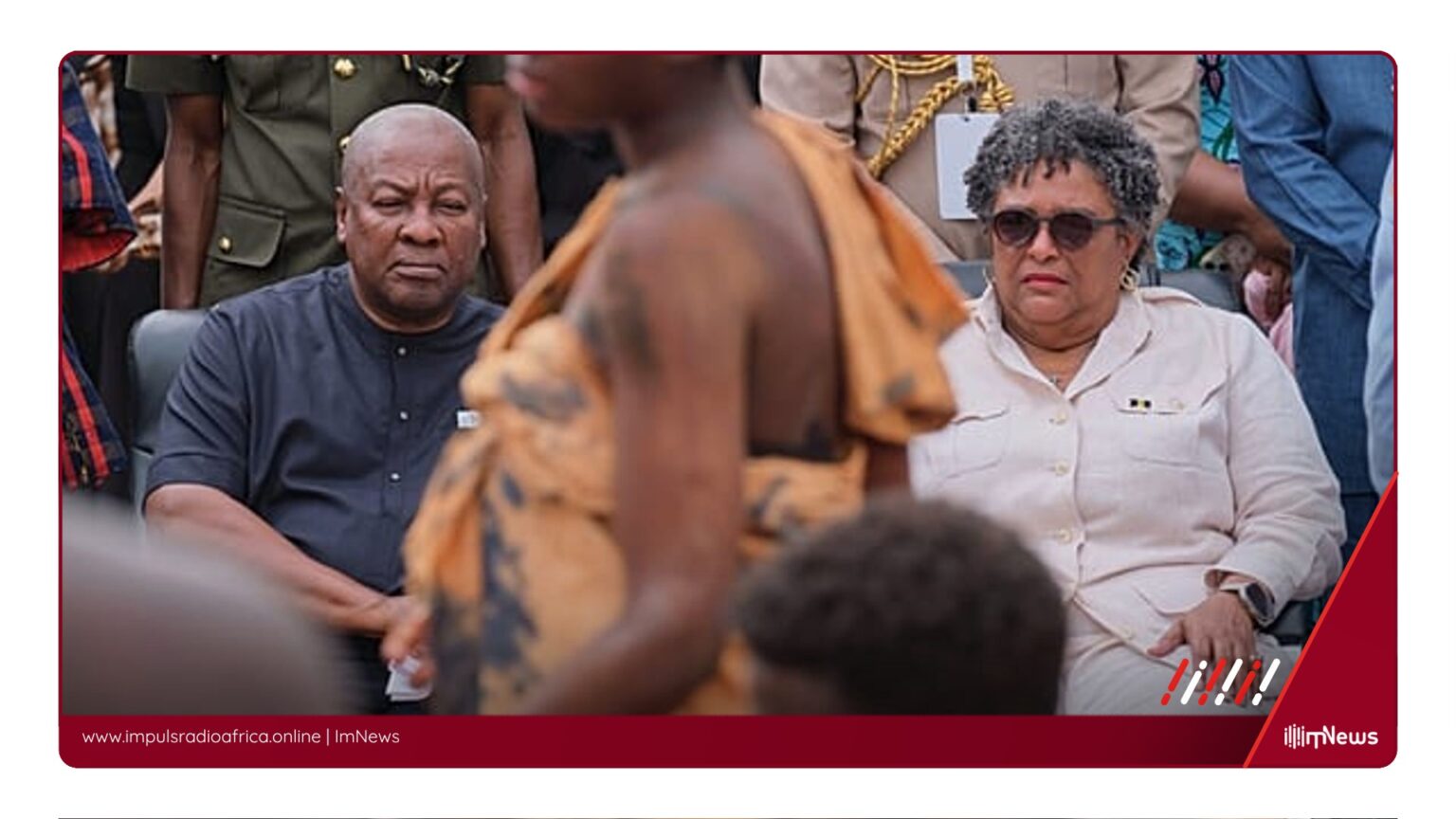
African Leaders Unite in Ghana, Demand Reparations for Atlantic Slave Trade Johannesburg, South Africa — A historic gathering of African and Caribbean leaders in Ghana has marked Juneteenth with a resounding call for reparations from former slave-trading nations.
The ‘Next Steps’conference in Accra, Ghana, aimed to shift the reparations debate from mere recognition to actionable measures, including legal requirements for compensation.
The conference, organized in the wake of a landmark United Nations resolution in March 2026 declaring the Atlantic slave trade “the gravest crime against humanity, “brought together representatives from over 80 countries.
Organizers highlighted that an estimated 12 million Africans were forcibly taken by European traders and enslaved between the 16th and 19th centuries. Ghana’s President John Dramani Mahama emphasized the ongoing impact of slavery across Africa, the Caribbean, and the African diaspora. “
Our voices were fragmented for decades and it served the interest of some groups to keep those voices fragmented, “Mahama told delegates from more than 80 countries.
The Ghanaian leader’s comments reflect a growing movement for reparations that seeks to address the economic, social, and political disparities inherited from the transatlantic slave trade. Despite the absence of a binding legal obligation, the UN resolution carries significant moral authority and has reignited international discussions on reparations.
The conference’s declaration called on countries involved in the Atlantic slave trade to “offer full, formal, and unconditional apologies as a foundational step towards reconciliation, trust-building, and reparatory justice. “.
It also advocated for the establishment of a global framework for reparatory justice, which includes measures to ensure fair compensation for those affected by the legacies of enslavement.
The call for reparations is not without its challenges.
A Pew Research Center survey in 2021 indicated that a majority of residents in the United States viewed the prospect of reparations negatively.
This sentiment underscores the complex nature of the reparations debate and the need for a nuanced approach to addressing historical injustices.
The conference in Accra represents a significant moment in the ongoing struggle for reparations. It signals a shift from mere acknowledgment of the crimes of the past to concrete actions aimed at rectifying the harms inflicted on African descendants.
As the conversation on reparations continues to evolve, The conference’s adoption of a global framework for reparatory justice is a critical step forward. It provides a roadmap for countries to consider in their efforts to address the legacy of the Atlantic slave trade.
As leaders from across the globe gather to discuss this issue, the hope is that concrete progress can be made towards healing the wounds of the past and building a more equitable future for all.
*Additional reporting by ImNews | Sources consulted: 5*
—
This original article was produced by the ImNews editorial team
Source: Africanews
Source: AfricaNews