
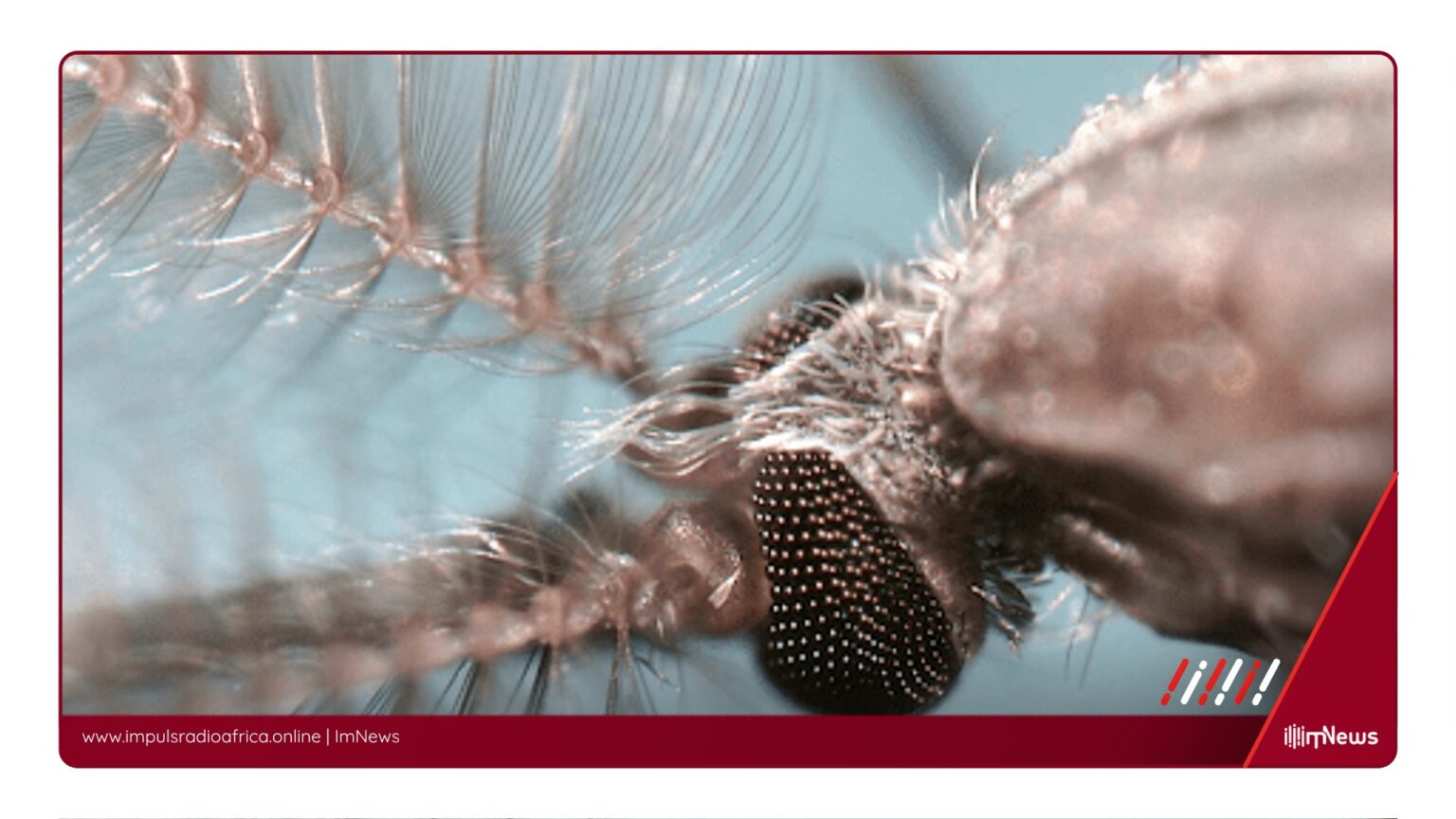
Mosquitoes: The Tiny Insects Reshaping Africa’s Health and History BODY: Kampala, Uganda – June 22, 2026 – In the shadow of towering challenges like malaria, mosquitoes, mere milligrams in weight, have left an indelible mark on human history.
As Insect Week unfolds, these unassuming insects remain at the forefront of scientific research, commanding global attention. Their role in transmitting diseases has etched them into the annals of history, affecting millions worldwide.
In sub — Saharan Africa, the Anopheles gambiae species complex stands out as particularly effective vectors, fueling much of the malaria transmission. Their preference for humans and ability to thrive near human settlements has earned them the title of one of Earth’s most efficient disease-transmitting insects. Rogers Atugonza, a field entomology officer at the Uganda Virus Research Institute (UVRI), explains the allure of these mosquitoes: their adaptability and resilience, honed over millennia, have made them a formidable foe.
Malaria mosquitoes have evolved alongside humans, mastering the art of locating and reproducing in human habitats. These insects rely on a complex sensory array to track their human hosts, utilizing carbon dioxide, body heat, and chemical compounds released through skin. Their reproductive efficiency is remarkable, with a single mating session potentially yielding hundreds of offspring.
Male mosquitoes, which do not feed on blood, instead feed on plant sugars and seek mates. Their female counterparts, however, are relentless in their pursuit of a blood meal to produce eggs. Malaria mosquitoes have also demonstrated a remarkable ability to adapt to environmental changes and disease control efforts, making them a persistent public health challenge.
Despite significant progress in malaria control, the disease remains a disproportionate burden on African communities, particularly young children and pregnant women. Advances in bed nets, insecticides, vaccines, and gene drive technologies offer hope but also reveal the mosquitoes’remarkable adaptability. “Malaria mosquitoes are small but powerful,” Atugonza notes.
“They have influenced human settlement patterns, public health systems, economic development, and scientific research for centuries. ” Target Malaria, a not-for-profit research consortium, is at the forefront of developing new genetic technologies to modify mosquitoes and reduce malaria transmission. With the support of organizations like the Gates Foundation and Coefficient Giving, Target Malaria is paving the way for a future where the burden of malaria is alleviated, and a world free from the disease becomes a reality.
Young African scientists are contributing to this knowledge base, studying the mosquito and helping to shape a future where the impact of these tiny insects on human history is mitigated.
*Additional reporting by ImNews | Sources consulted: 5*
—
This original article was produced by the ImNews editorial team
Source: africa
Source: Editor