Durban, South Africa – June 23, 2026
The city of Durban is shrouded in a somber cloud, a reminder of the nation’s fractured promise of inclusivity.
In April 2015, the air was thick with the scent of burning dreams, as xenophobic attacks swept through KwaZulu-Natal and beyond.
The echoes of these events are still felt today, as South Africa grapples with the logic of exclusion that has poisoned its democracy since its inception in 1994.
Amidst the chaos, Sipho, an educator, stood on the hill overlooking Umlazi township, witnessing the attacks unfold. He was haunted by the words of scholars who had warned of the “terminal rot in the national psyche. “.
The political leadership, he observed, had chosen to ignore the root causes of these eruptions, opting instead for superficial PR campaigns.
Seven years after the 2008 xenophobic violence, the monster of exclusion rears its head again.
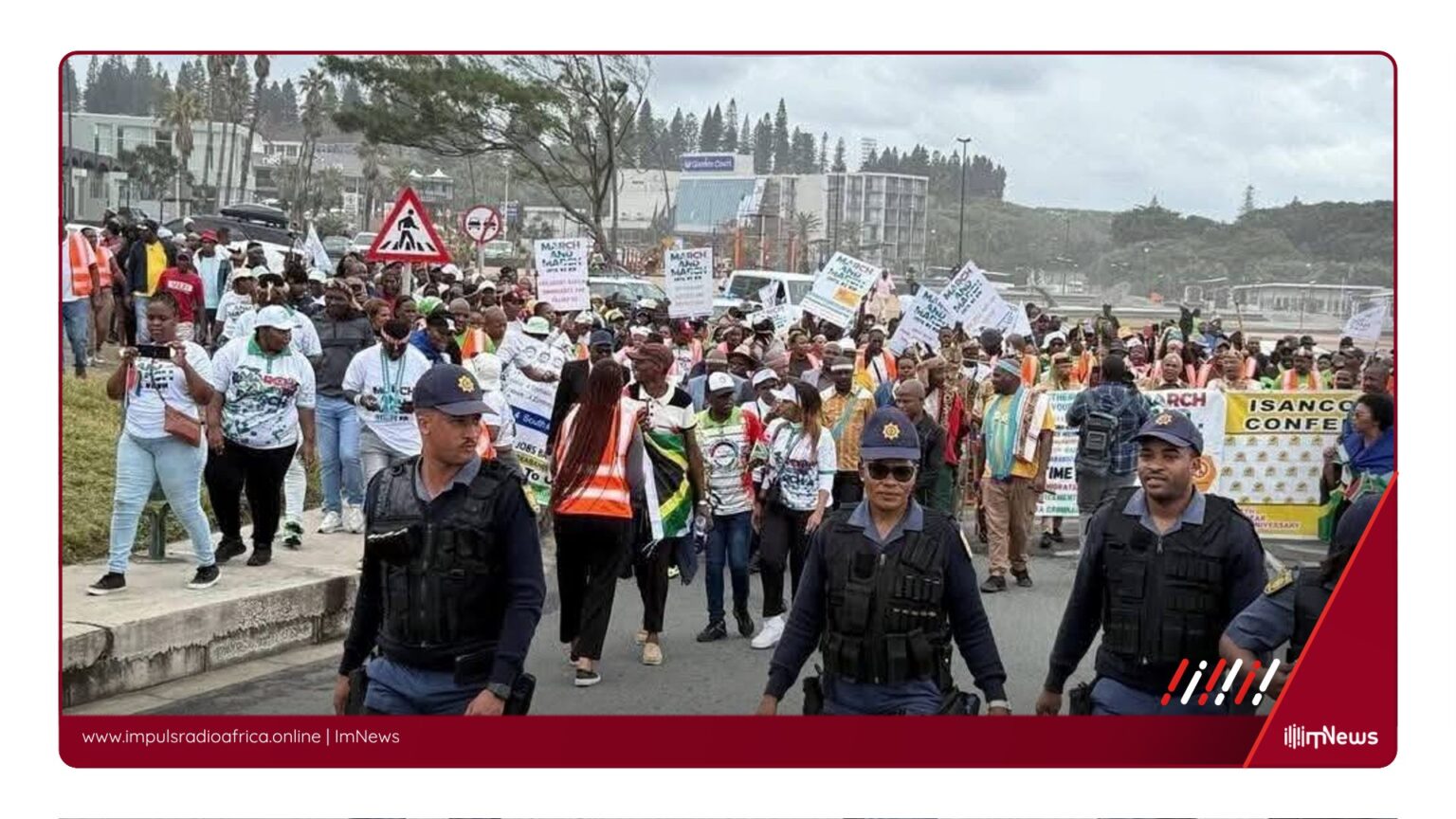
The situation is further exacerbated by campaigns like “March and March “and “Operation Dudula, “which, while framed as acts of community protection, have been criticized for their exclusionary rhetoric and tactics.
At a community meeting, Sipho addressed the crowd, appealing to the Ubuntu spirit that once united the community.
However, the raw truth of economic disparity and the absence of productive social networks left many feeling disconnected and desperate.
The spirit of Ubuntu was being choked out by the reality of exclusion.
Today, as South Africa confronts the legacy of its past and the challenges of its present, the nation’s leaders must take decisive action to protect the rights and dignity of all its citizens, regardless of their nationality.
The path forward is uncertain, but the need for meaningful action is more pressing than ever.
*Additional reporting by ImNews | Sources consulted: 5*
—
This original article was produced by the ImNews editorial team
Source: Panafricanvisions
Source: Pan African Visions