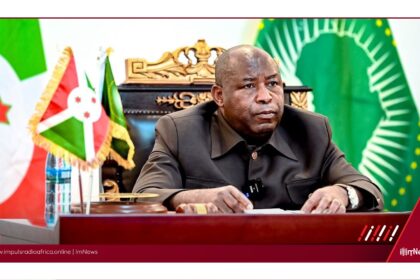
Niger Officially Withdraws from ICC Amid Neo — Colonialism Allegations BODY: City, Niger – June 23, 2026 – Niger has confirmed its withdrawal from the International Criminal Court (ICC), a decision that follows months of criticism of the court’s perceived neo-colonialist stance.
The country, along with Mali and Burkina Faso, which are currently under military rule, had previously declared they would not recognize the ICC’s authority, labeling it an “instrument of neo-colonialist repression. “.
The ICC, based in The Hague, was established in 2002 to address cases of genocide, crimes against humanity, war crimes, and aggression. Niger’s withdrawal is set to take effect one year after its notification, with the country remaining committed to its obligations to the court until that date.
The Sahel region, which has witnessed a surge in coups and military takeovers, is now witnessing a trend of nations pushing back against external interference, as seen with the recent formation of the Alliance of Sahel States (AES). This new alliance aims to establish local peace and justice systems that align with the values of the Sahel nations. Despite the ICC’s efforts to investigate and prosecute atrocity crimes in the region, the Sahel nations argue that the ICC has been biased against Africa, with the majority of its cases involving African countries.
This perception of selective justice has fueled their decision to withdraw from the ICC. Niger’s withdrawal marks the third departure from the ICC, following the Philippines and Burundi.
The Sahel nations’decision to strengthen ties with Russia, a country not a member of the ICC, has also raised concerns about potential military support and closer political alignment with Moscow.
The ICC’s response to the withdrawal has been notably silent, prompting interpretations that the court may be lacking concern or interest in the Sahel region’s situation. Human Rights Watch has warned that the ICC’s withdrawal could endanger civilians, as the court has been instrumental in addressing atrocity crimes in the region.
As Niger and its Sahel neighbors embark on this new path, the international community watches closely to see how they will uphold peace and justice without the support of the ICC.
The future of accountability and justice in the region remains uncertain, with significant implications for the Sahel’s future.
*Additional reporting by ImNews | Sources consulted: 5*
—
This original article was produced by the ImNews editorial team
Source: BBC Africa
Source: https://www.facebook.com/bbcnews