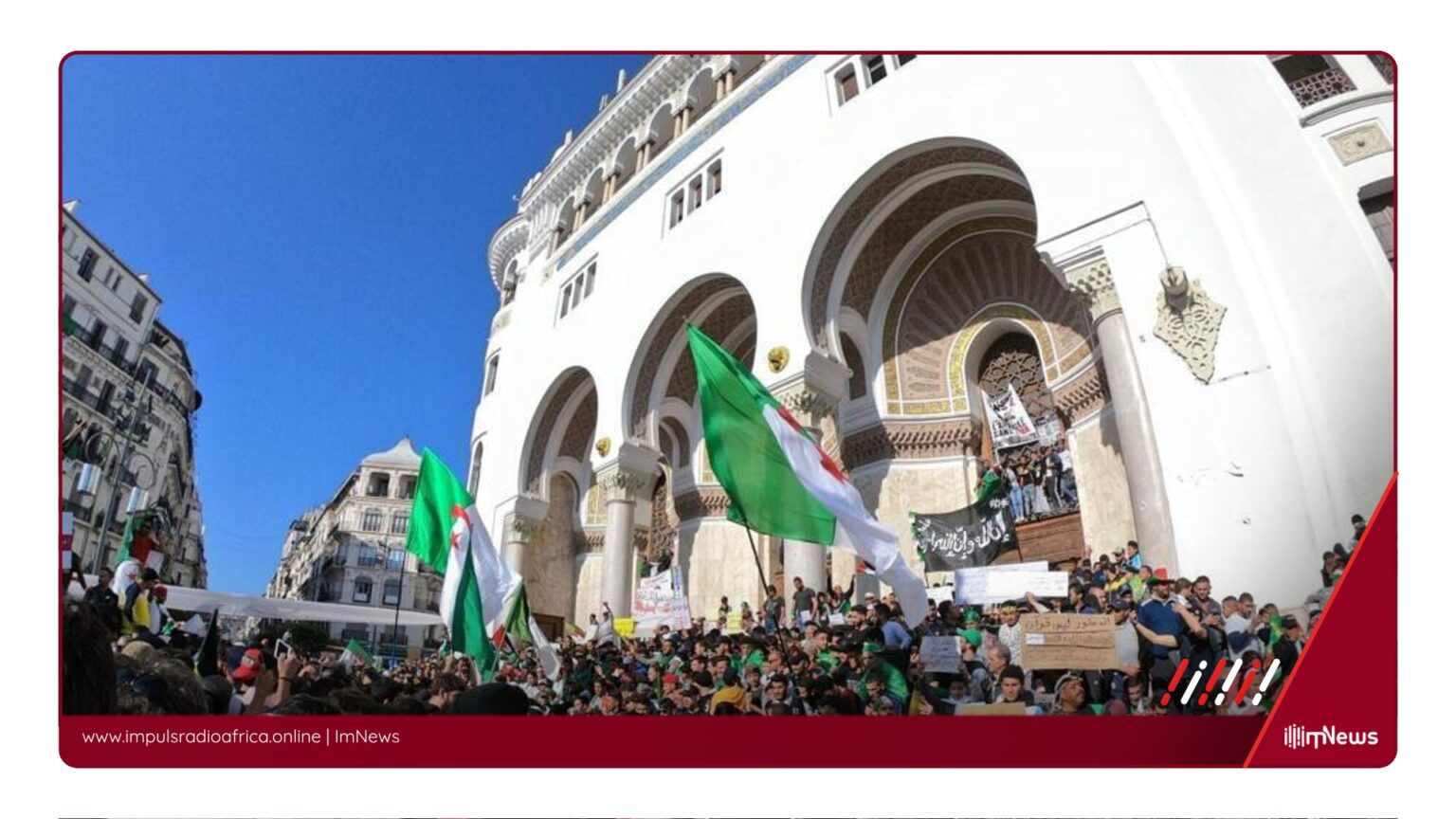
Algeria’s Parliamentary Elections: A Test of Public Engagement Amidst Controversy and National Focus BODY: Algiers, Algeria – On July 2, 2026, Algeria’s parliamentary elections took place amidst a backdrop of public disinterest and controversy over candidate exclusions.
The election, which saw over 25 million registered voters choosing from 1,235 candidates for 407 seats, serves as a critical indicator of the nation’s political engagement and the stability of its political landscape. Amidst the economic pressures of high inflation and rising unemployment, many Algerians have shown a lack of enthusiasm for the electoral process.
The exclusion of over 3,700 candidates, including key figures from the Islamist Movement of Society for Peace (MSP), has been a significant point of contention.
The MSP has slammed the exclusions as ‘arbitrary,’suggesting a political motive behind the decision.
The outgoing pro — government majority, led by the National Liberation Front (FLN), holds about 300 of the 407 seats in the lower house of parliament.
The MSP, the second — largest political force, has 64 seats. Despite President Abdelmadjid Tebboune’s statements about openness to change, observers have expressed limited hopes for a significant shift in the political system. Security measures were visible outside polling stations in Algiers, while in southern Algeria and the Sahara Desert regions, voting was brought forward by 48 hours to accommodate nomadic communities.
Voting among Algeria’s large diaspora took place earlier, at consular offices.
The government declared July 2 a paid national holiday in an effort to encourage voting, but many Algerians remained focused on everyday challenges, such as purchasing power and public services.
The national football team’s World Cup run has also served as a major distraction, with many Algerians following the tournament more closely than the election campaign.
As the nation awaits the results, the low voter turnout is expected to be a key indicator of the election’s legitimacy and the public’s engagement with the political process.
The next few days will reveal whether the election can overcome the challenges of public apathy and candidate exclusions to shape Algeria’s political future.
*Additional reporting by ImNews | Sources consulted: 5*
—
This original article was produced by the ImNews editorial team
Source: rfi
Source: RFI