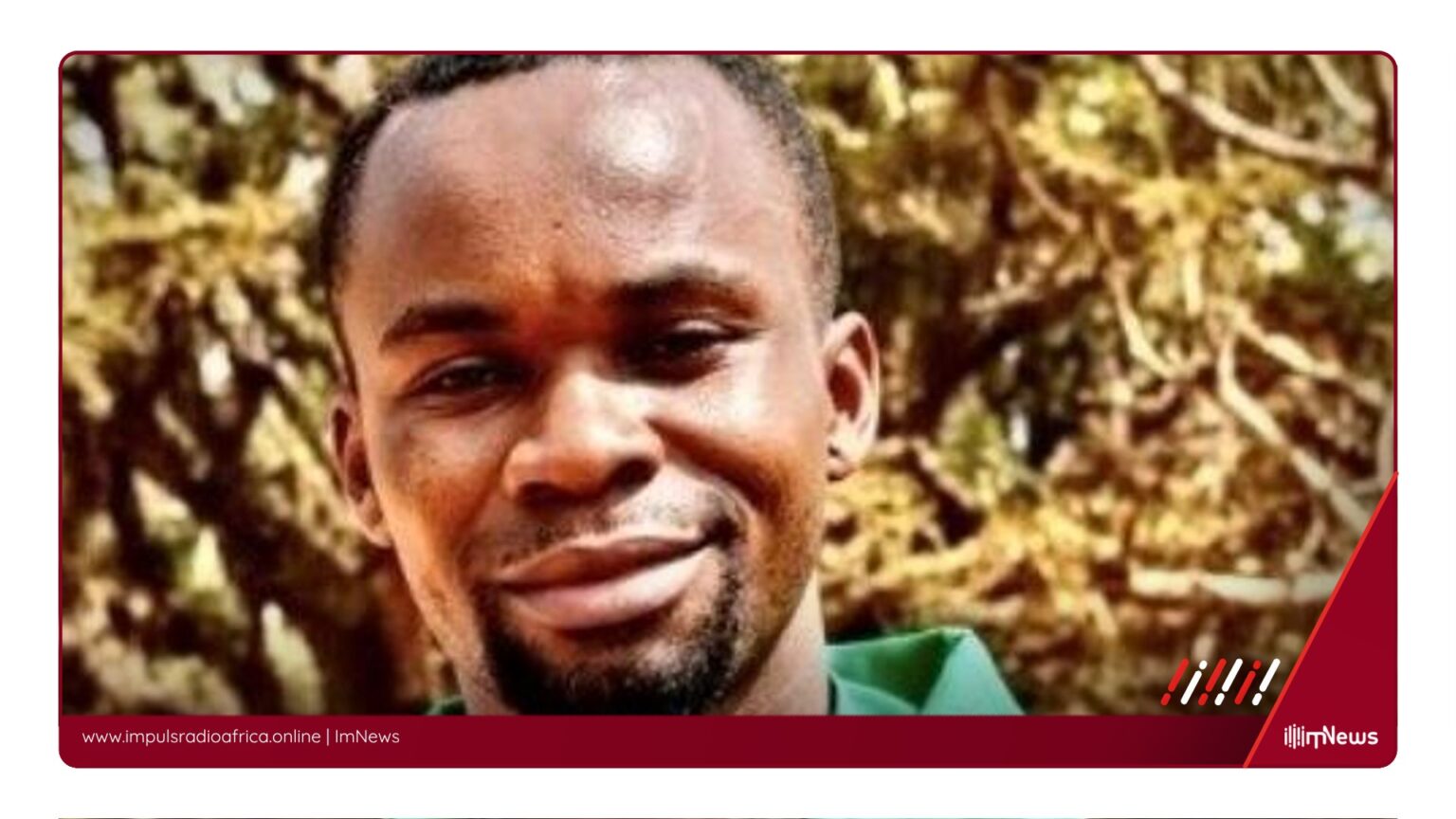
LIBREVILLE, Central African Republic — On July 2, 2026, a solemn event unfolded in the region of Haut-Mboumou, where the reverend Crépin Martial Monga, a priest of the Bangassou diocese, met a tragic end. Father Monga was gunned down outside his presbytery, amidst a backdrop of escalating violence and displacement that has cast a shadow over peace initiatives and civilian safety, as noted by Vatican News. Father Monga, who was the vicar of the Catholic Saint-Jean-Baptiste de Zémio parish, was not only revered for his pastoral duties but also for his pivotal role in peace efforts within the region’s strife-torn environment.
His commitment to dialogue and social cohesion stood out in one of the country’s most fragile areas, addressing ethnic tensions, the presence of armed groups, and rivalries over territorial control and resources.
The tragic event has sparked an outcry, with local communities and international observers expressing their distress.
The Collectif ‘Touche pas à ma Constitution’ has criticized the government’s handling of the security situation, highlighting the inefficiency in response to the series of assassinations, including that of Father Monga.
The Central African Republic’s southeastern region has become a hotbed for conflict, with a history of political and ethnic conflicts resulting in mass displacement and insecurity.
The involvement of foreign mercenaries, notably those associated with the Wagner Group, has only exacerbated the situation, as reported by RFI and other news outlets. Father Monga’s assassination has underscored the challenges faced by the government in ensuring the safety of its citizens and preserving the peace.
The incident has also raised concerns about the broader security landscape in the country, prompting calls for a more decisive approach to addressing the ongoing crisis.
*Additional reporting by ImNews | Sources consulted: 5*
—
This original article was produced by the ImNews editorial team
Source: Agpgabon
Source: Redaction