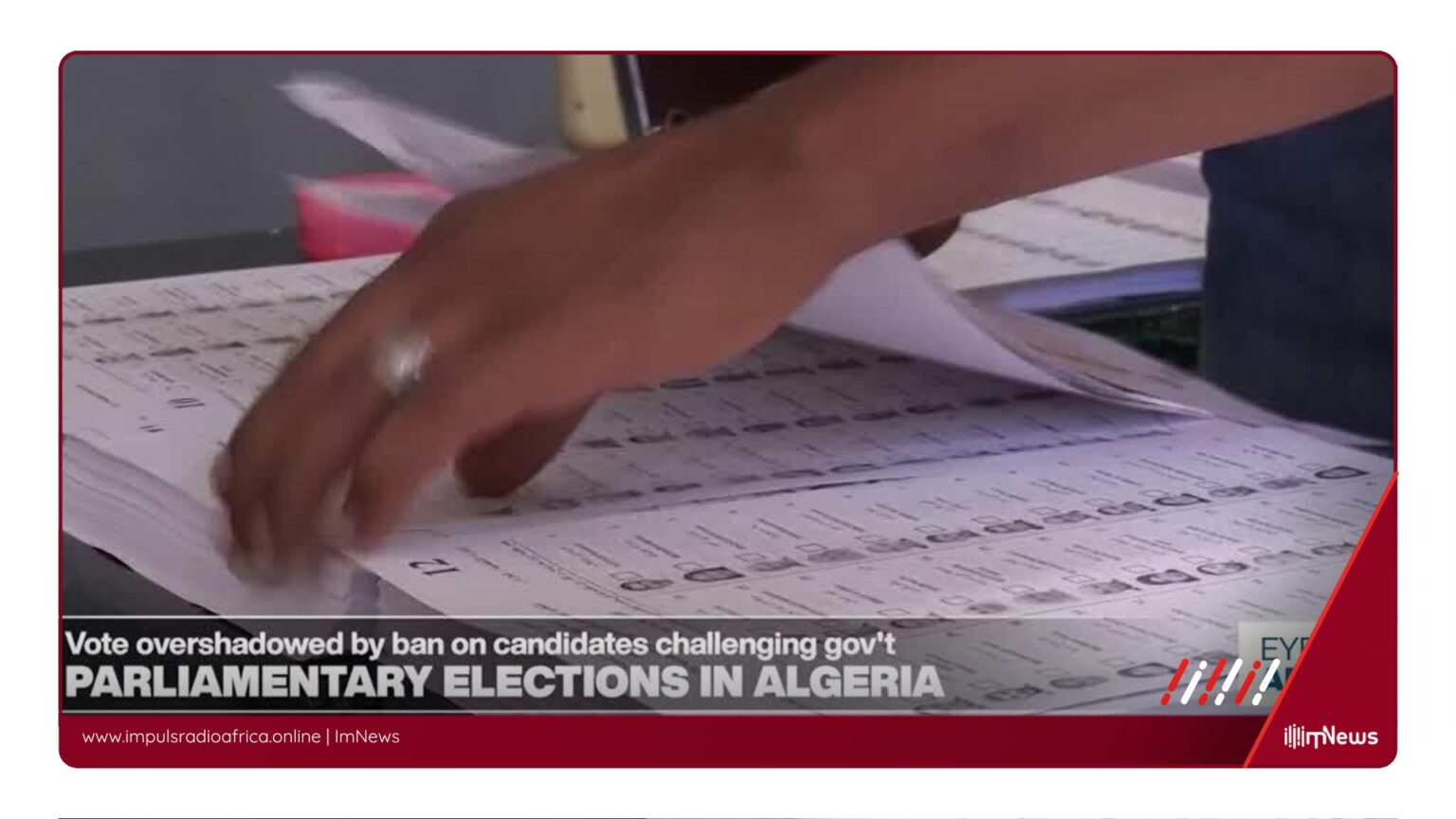
Algeria’s Parliamentary Elections: A Vote Amidst Controversy and Challenges ABIDJAN, Ivory Coast – Algeria’s political landscape experienced a pivotal moment on July 2, 2026, as the nation cast its votes in parliamentary elections marked by controversy and challenges.
The elections, which were meant to be a reflection of the country’s democratic process, were overshadowed by concerns over candidate eligibility and the ongoing cost-of-living crisis.
The outgoing parliament, elected in 2021, had seen a historically low turnout of just 23 percent, the lowest since Algeria’s independence in 1962.
This trend continued in the 2026 elections, raising questions about the level of public engagement and trust in the formal political system.
According to reports, more than 3,700 prospective candidates were barred from running in the elections, a move that sparked criticism from the Islamist Movement of Society for Peace (MSP), which labeled the exclusions as ‘arbitrary. ‘The interim head of the national elections authority, ANIE, confirmed that approximately 10,000 candidates were approved, but the high number of exclusions fueled speculation about the influence of political power brokers.
The exclusion of candidates and the low turnout are seen as indicators of a broader political and civic space that has tightened since the Hirak protest movement began in 2019.
The movement, which led to the resignation of former President Abdelaziz Bouteflika and the subsequent election of Abdelmadjid Tebboune, has been followed by a perceived erosion of confidence in formal politics.
The election was also marked by the ongoing cost — of-living crisis, which has impacted the daily lives of many Algerians.
The economic challenges have been compounded by the global impact of the COVID — 19 pandemic and the subsequent fluctuations in oil prices, Algeria’s main source of revenue. Despite these challenges, the election process went ahead, with nearly 25 million voters casting their ballots for 407 seats in the People’s National Assembly.
The results of the election are expected to have significant implications for Algeria’s political future, particularly as the country grapples with its economic and social challenges.
As the votes are counted and the results are announced, The outcome of these elections could either pave the way for a period of political stability and reform or deepen the existing divides within the nation. What is clear is that the 2026 Algerian parliamentary elections have been a complex and contentious affair, reflecting the broader challenges that the country faces in its journey towards a more inclusive and democratic future.
The results of the elections are eagerly awaited, with many Algerians hoping for a shift in the political landscape that addresses the nation’s economic and social challenges.
The next few weeks will be crucial in determining the direction that Algeria’s future will take.
*Additional reporting by ImNews | Sources consulted: 5*
—
This original article was produced by the ImNews editorial team
Source: france24 – Africa
Source: Georja CALVIN-SMITH