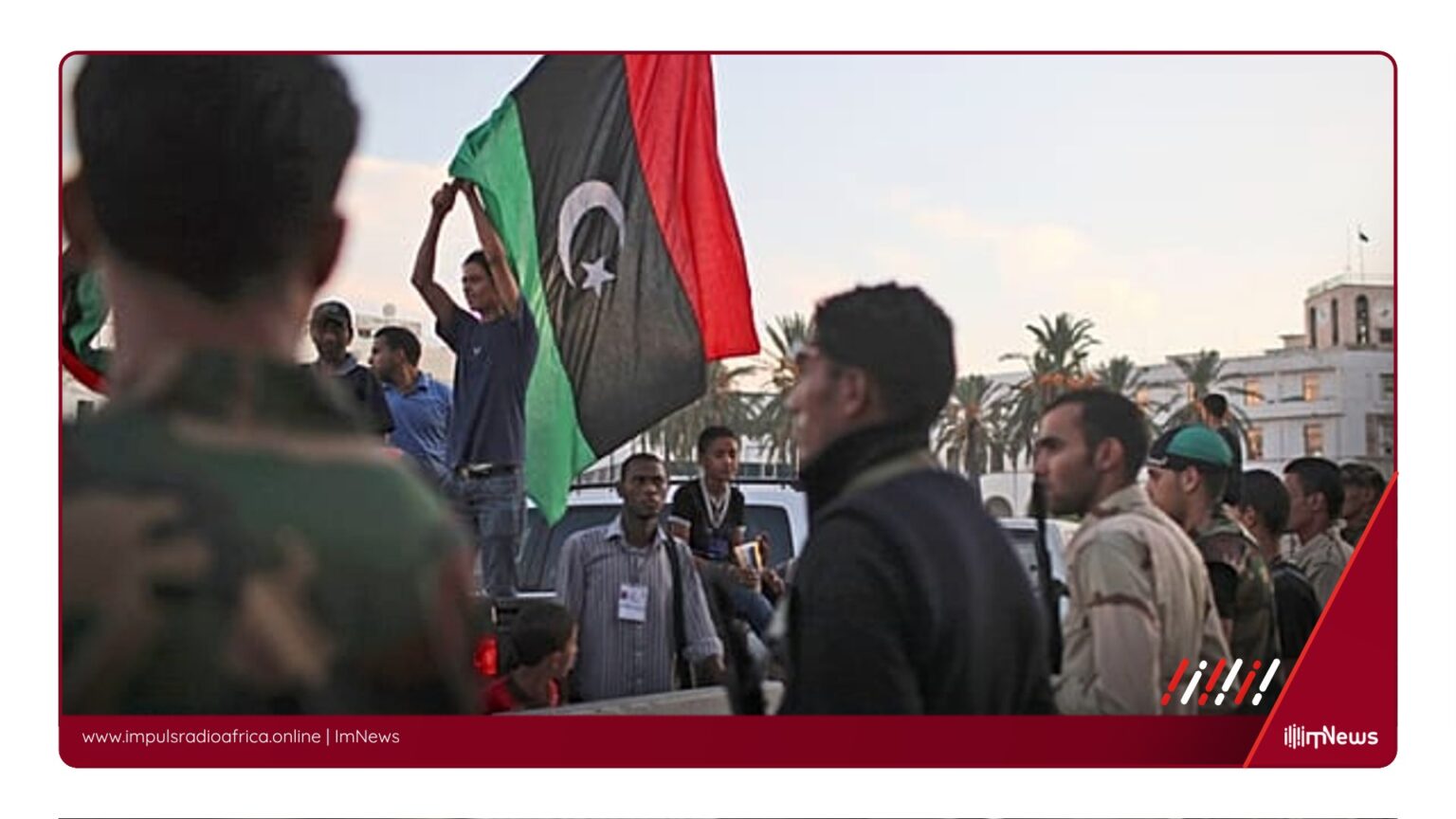
Libyan Military Leaders Converge in Sirte for Armed Forces Reunification Talks BODY: Sirte, Libya – In a significant development aimed at restoring stability to the war-torn nation, senior military leaders from Libya’s warring factions convened in Sirte over the weekend to discuss the reunification of the country’s armed forces.
The meeting included representatives from the United Nations Support Mission in Libya and marked a crucial step in efforts to end the country’s protracted conflict.
The discussions were attended by the Chief of Staff of the Libyan National Army (LNA), Khaled Haftar, and Salah al-Din al-Namroush, the leader of the forces aligned with the UN-recognised Government of National Unity (GNU).
The involvement of the US military, which has been supporting joint exercises between the rival Libyan military forces for counter — terrorism cooperation, underscores the international community’s interest in the stability of Libya, a country rich in oil resources.
The political division in Libya, stemming from the 2011 NATO-backed uprising that overthrew Muammar Gaddafi, has led to a fragmented and unstable country. Despite a ceasefire agreement in 2020, the nation remains politically deadlocked and faces ongoing security challenges.
The meeting in Sirte aimed to establish a unified national army, considered essential for national stability.
The involvement of the US military reflects the international community’s focus on Libya’s stability and economic development.
The Guardian’s article on the situation in Libya suggests that Haftar, a former CIA asset, wields significant control over the country, and the ongoing conflict highlights the unintended consequences of foreign intervention. Newarab. Com reports that the US is interested in developing business ties with Libya and supports efforts to reunify the military forces.
Despite the optimism surrounding the Sirte meeting, the path to armed forces reunification is fraught with challenges.
The country’s political deadlock and the deep-seated mistrust between the rival factions remain significant obstacles.
The presence of various armed groups and the influence of regional powers, such as Turkey and Egypt, further complicate the situation. “The meeting in Sirte is a step in the right direction, but it is only the beginning,” commented a regional analyst. “The real test will be whether the rival factions can agree on a comprehensive plan for the reunification of the armed forces.
” As Libya seeks to move forward, the international community will continue to monitor the situation closely.
The success of the reunification efforts will depend on the ability of the Libyan factions to overcome their differences and work together for the betterment of their country.
*Additional reporting by ImNews | Sources consulted: 5*
—
This original article was produced by the ImNews editorial team
Source: Africanews
Source: Rédaction Africanews